Shandong HeadPowder Engineering Co., Ltd., a leading provider in the field, specializes in designing and manufacturing advanced dust-free feeding stations for bulk material handling. The tote bag dust-free feeding station is a critical piece of equipment used in industries such as pharmaceuticals, food processing, and chemical manufacturing, where maintaining a clean and safe working environment is paramount. This system is engineered to handle bulk materials from tote bags while preventing dust contamination and ensuring efficient material transfer.
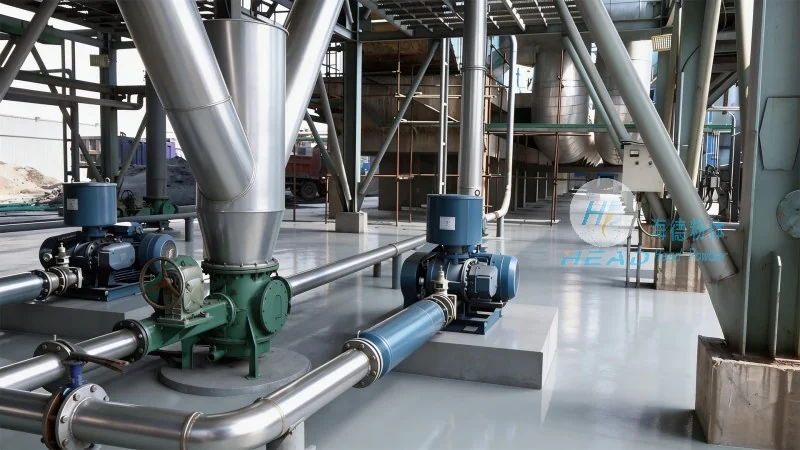
Key Components and Their Functions
The tote bag dust-free feeding station typically consists of several key components that work in tandem to achieve seamless material handling. The primary components include the tote bag opening mechanism, the dust collection system, the material transfer unit, and the control panel. Each component plays a vital role in the overall operation of the system.
Firstly, the tote bag opening mechanism is designed to safely and efficiently open the tote bag without exposing the internal material to the environment. This is usually achieved through a combination of mechanical and pneumatic systems that cut or tear the bag open from the top. The opening mechanism is equipped with safety features to prevent accidental exposure of the material to the air, thus minimizing dust generation.
Secondly, the dust collection system is a crucial part of the station. It is responsible for capturing any dust particles that may be released during the opening or transfer process. The system typically includes a high-efficiency particulate air (HEPA) filter or a similar filtration unit that ensures the air is clean before it is released back into the environment. This not only protects the operators from inhaling dust but also maintains compliance with environmental regulations.
Thirdly, the material transfer unit is the core of the conveying process. It can be either a screw conveyor or a pneumatic conveyor, depending on the specific requirements of the material being handled. The screw conveyor is ideal for dry, free-flowing materials, while the pneumatic conveyor is suitable for materials that are more abrasive or have a higher dust content. The transfer unit is integrated with the dust collection system to ensure that all material is transferred without any loss or contamination.
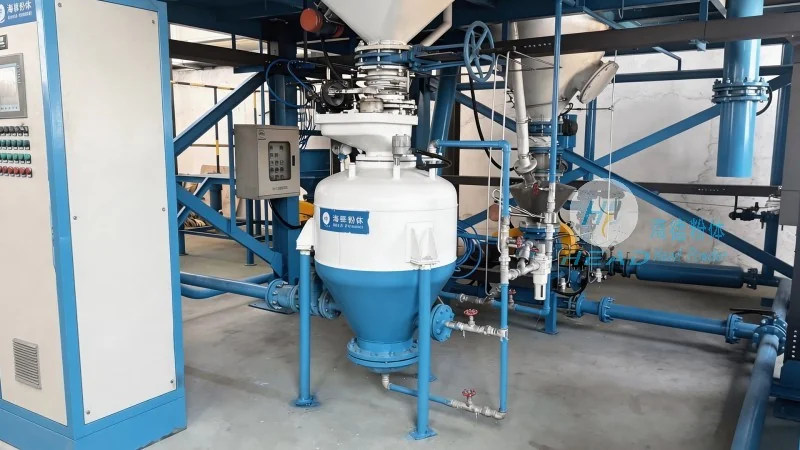
Finally, the control panel allows operators to monitor and control the entire feeding process. It includes sensors to detect the level of material in the tote bag and the status of the conveyor, as well as buttons to start and stop the operation. The control panel is designed to be user-friendly and intuitive, reducing the risk of human error during operation.
Operation Process of the Tote Bag Dust-Free Feeding Station
The operation of the tote bag dust-free feeding station follows a systematic process that ensures efficient and safe material transfer. The process begins with the placement of the tote bag onto the station's loading platform. The bag is then secured in place using a clamping mechanism to prevent it from moving during the operation.
Once the bag is secured, the opening mechanism is activated. This mechanism cuts or tears the top of the bag, allowing the material to fall into the hopper of the feeding station. Simultaneously, the dust collection system is activated, capturing any dust particles that are released during the opening process.
After the bag is opened, the material transfer unit is activated. The screw conveyor or pneumatic conveyor begins to move the material from the hopper into the downstream processing equipment. The speed of the conveyor can be adjusted to control the flow rate of the material, ensuring that the receiving equipment is not overloaded.
During the transfer process, the dust collection system continues to operate, ensuring that no dust is released into the environment. The system filters the air and returns it to the room, maintaining a clean and safe working environment. Once the tote bag is empty, the clamping mechanism is released, and the bag can be removed from the station. The process then repeats for the next tote bag.
Working Principle of the Tote Bag Dust-Free Feeding Station
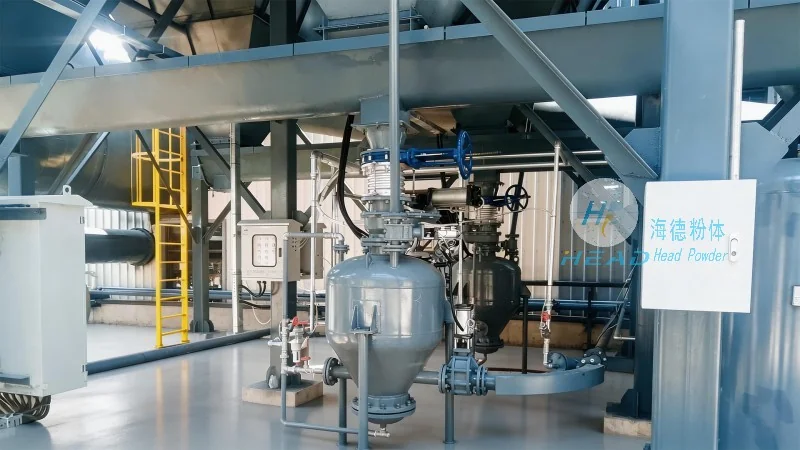
The working principle of the tote bag dust-free feeding station is based on the principles of sealed material handling and dust control. The system operates under a slight negative pressure, which means that the air inside the station is slightly lower in pressure than the surrounding environment. This creates a suction effect that draws any dust particles away from the material and into the dust collection system.
The sealed design of the station is another key aspect of its working principle. The entire system is enclosed in a housing that prevents dust from escaping into the environment. The tote bag opening mechanism and the material transfer unit are both enclosed within this housing, ensuring that all material is contained within the system.
The control system plays a vital role in maintaining the sealed environment. It monitors the pressure inside the station and adjusts the speed of the dust collection system as needed to maintain the negative pressure. It also detects any leaks in the system and alerts the operator to take corrective action.
Overall, the working principle of the tote bag dust-free feeding station is designed to provide a safe and efficient method of handling bulk materials from tote bags while minimizing the risk of dust contamination. The system is engineered to be reliable and durable, with low maintenance requirements, making it an ideal choice for industries that require high levels of cleanliness and safety.




