HeadPowder, a leading engineering company based in Shandong, China, specializes in the design and implementation of advanced material conveying systems for industrial applications. This article provides a detailed overview of the operation process and working principle of fly ash silo material conveying systems, highlighting the key components, operational steps, and technical advantages that make these systems efficient and reliable for handling fly ash in power plants and other industrial facilities.
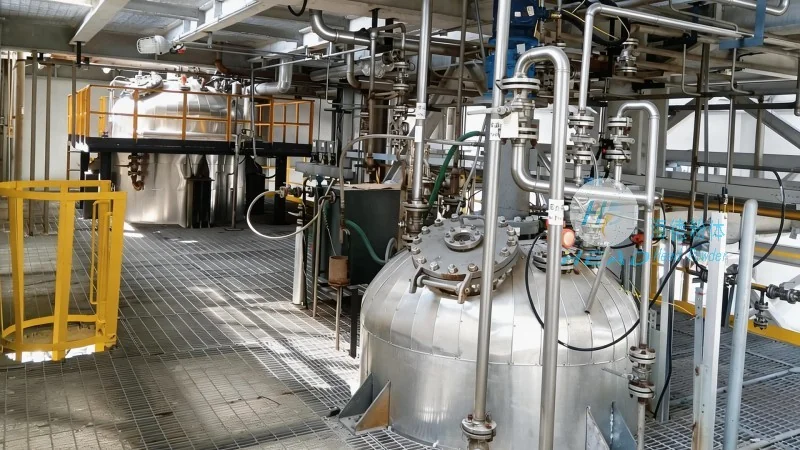
Introduction to Fly Ash Silo Material Conveying Systems
Fly ash, a byproduct of coal combustion in thermal power plants, requires efficient handling and storage to ensure smooth plant operations and compliance with environmental regulations. The fly ash silo material conveying system is a critical component in the overall material handling infrastructure, responsible for transporting fly ash from the bottom of the silo to the designated discharge points or processing units. This system combines mechanical and control technologies to achieve precise, continuous, and safe material transport, which is essential for maintaining the operational efficiency of power generation facilities.
Key Components and Working Principle
The fly ash silo material conveying system typically consists of several key components, each playing a vital role in the overall operation. The main components include the silo itself, a conveyor system (such as a screw conveyor or pneumatic conveyor), a control panel, and various sensors and valves. The working principle revolves around the controlled movement of fly ash from the storage silo to the discharge point through these interconnected components.
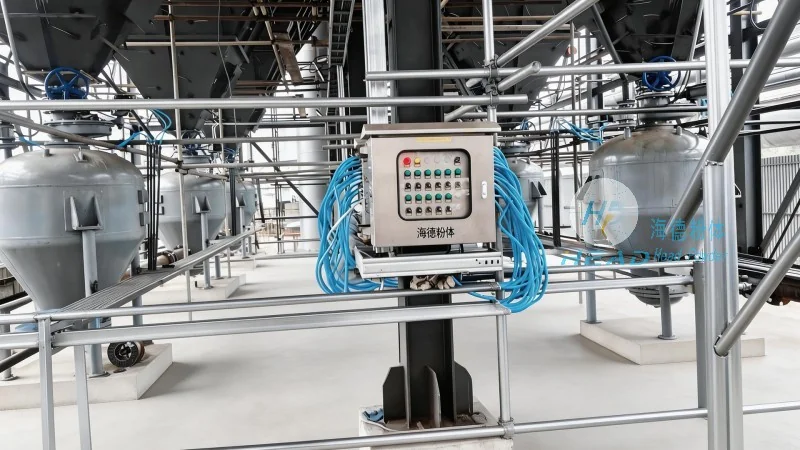
At the core of the system is the silo, which stores the fly ash in a controlled environment. The silo is equipped with a discharge outlet at the bottom, which connects to the conveyor system. The conveyor system, often a screw conveyor, uses rotating screws to push the fly ash from the silo outlet towards the discharge point. The control panel monitors the system's operation, adjusting the conveyor speed and pressure as needed to maintain a consistent flow rate. Sensors, such as level sensors and pressure sensors, provide real-time data on the silo's fill level and the system's performance, enabling automated control and preventing overfilling or underflow.
Operational Process of Material Conveying
The operational process of the fly ash silo material conveying system involves several sequential steps that ensure the smooth and efficient transport of fly ash. The process begins with the initial loading of the fly ash into the silo, where it accumulates due to gravity. Once the silo reaches a certain fill level, the control system activates the conveyor system. The screw conveyor starts rotating, and the rotating screws push the fly ash out of the silo outlet and into the conveyor pipeline. The fly ash is then transported through the pipeline to the discharge point, which could be a truck, a storage tank, or another processing unit. The control panel continuously monitors the system's parameters, adjusting the conveyor speed to maintain a steady flow rate and prevent blockages or overloading. The process continues until the silo is emptied or the required amount of fly ash is discharged. The system can operate continuously or in batch mode, depending on the plant's operational needs and the volume of fly ash to be handled.
Technical Advantages and Applications
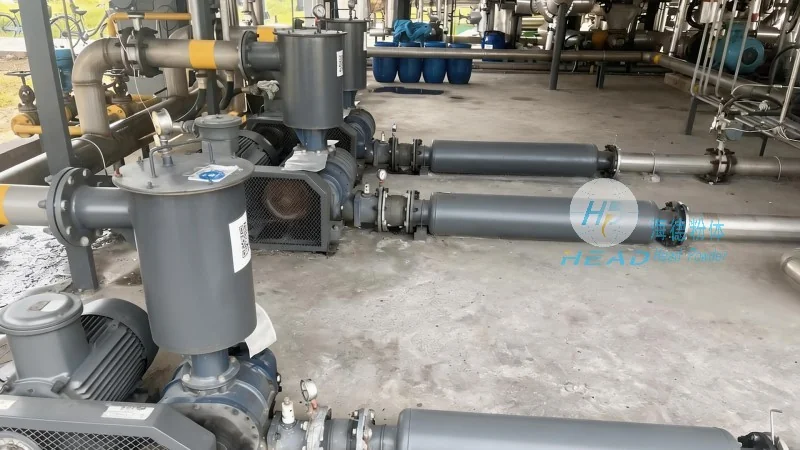
HeadPowder's fly ash silo material conveying systems offer several technical advantages that make them suitable for various industrial applications. One of the key advantages is the high efficiency and reliability of the system, which ensures consistent and uninterrupted material transport. The screw conveyor design provides a smooth and continuous flow of fly ash, reducing the risk of blockages and material degradation. The system is also equipped with advanced control and monitoring features, allowing for real-time data collection and automated adjustments, which enhances operational safety and reduces maintenance costs. Additionally, the system is designed to be compact and space-efficient, making it suitable for installation in existing power plants or new facilities.
These systems are widely used in thermal power plants, cement plants, and other industrial facilities that generate fly ash as a byproduct. The systems are designed to handle large volumes of fly ash, with capacities ranging from several tons per hour to hundreds of tons per hour, depending on the specific requirements of the plant. The systems are also customizable to meet the unique needs of each facility, including different silo sizes, conveyor types, and discharge configurations. HeadPowder's expertise in engineering and manufacturing ensures that each system is tailored to the specific requirements of the client, providing a reliable and efficient solution for fly ash handling.




