Understanding the operation process and working principle of the magnesium silicate powder conveying system equipment is crucial for optimizing material handling efficiency in industrial applications. This equipment, designed by Shandong HeadPowder Engineering Co., Ltd., plays a vital role in ensuring smooth and reliable powder transport, especially for magnesium silicate materials which are commonly used in various industries such as construction, ceramics, and chemical processing.
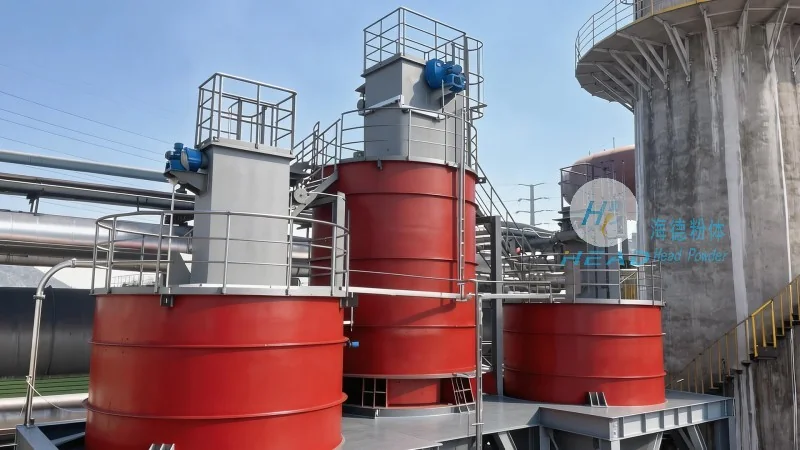
Overview of the Conveying System
The magnesium silicate powder conveying system typically consists of several key components, including a hopper for material storage, a feeding mechanism to control the flow rate, a conveying device (like a screw conveyor or pneumatic system), and a discharge unit. Each component works in tandem to facilitate the seamless movement of the powder from the storage area to the processing or packaging stage. The system is engineered to handle the specific properties of magnesium silicate, such as its fine particle size and potential for static electricity, ensuring minimal material loss and efficient operation.
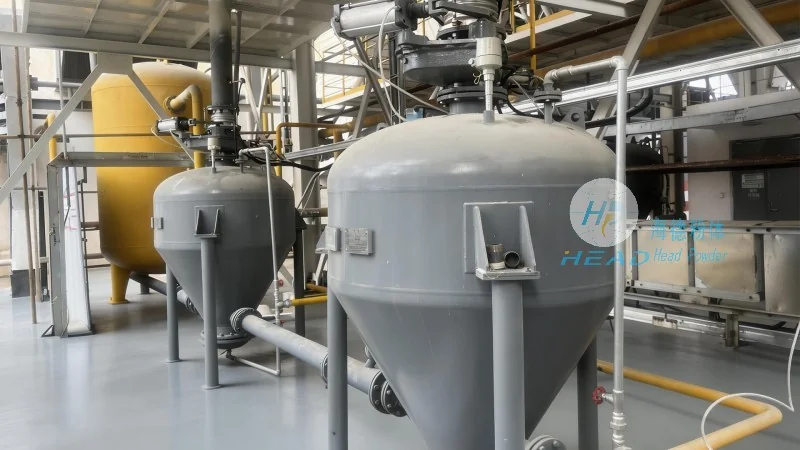
Step-by-Step Operation Process
The operation of the magnesium silicate powder conveying system follows a systematic sequence to maintain consistent performance and safety. The process begins with the loading of magnesium silicate powder into the hopper. The feeding mechanism, often a rotary valve or a feeder with adjustable speed, regulates the amount of powder released into the conveying device. The conveying device then transports the powder through a pipeline or a series of connected components, ensuring that the material moves without clogging or degradation. The discharge unit at the end of the system collects the powder and directs it to the next stage of production or storage. Throughout this process, sensors and control systems monitor parameters like pressure, flow rate, and temperature to maintain optimal conditions and prevent operational issues.
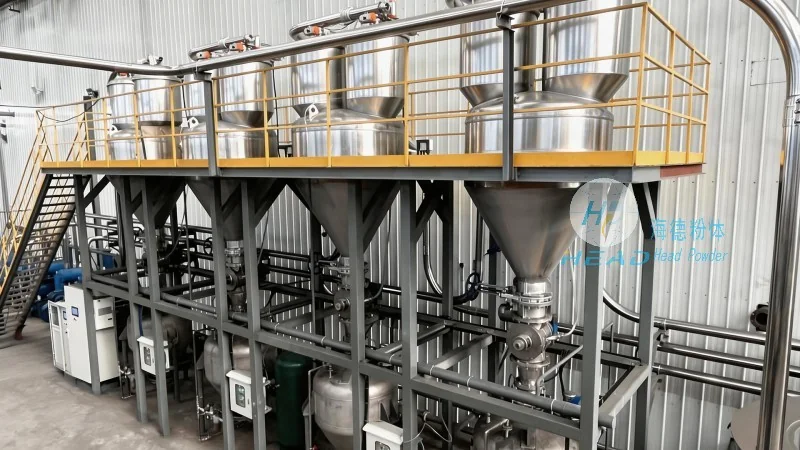
Working Principle of Key Components
Each component of the magnesium silicate powder conveying system operates based on specific principles tailored to the material's characteristics. The hopper, for instance, is designed with a sloped bottom to facilitate uniform material flow and prevent agglomeration. The feeding mechanism uses mechanical or pneumatic action to control the feed rate, which is critical for maintaining consistent conveying speeds and preventing overloading of the conveying device. The conveying device, whether a screw conveyor or a pneumatic system, relies on the principles of gravity and air pressure to move the powder. In a screw conveyor, the rotating screw pushes the powder forward, while in a pneumatic system, compressed air creates a flow that transports the material through the pipeline. The discharge unit ensures that the powder is discharged smoothly and without spillage, often incorporating a valve or a chute to direct the material accurately.
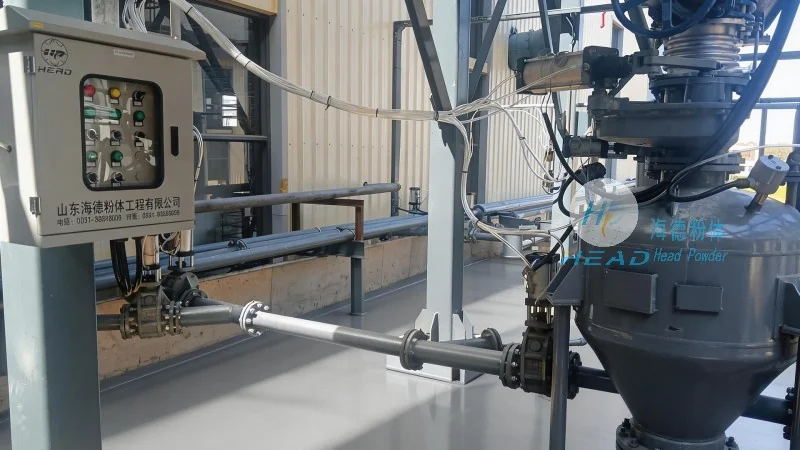
Benefits and Applications
The magnesium silicate powder conveying system offers several advantages for industrial operations. Its ability to handle fine powders efficiently reduces material waste and improves process consistency. The system's design minimizes the risk of dust generation and contamination, which is essential for maintaining product quality and compliance with safety regulations. Additionally, the system's adaptability allows it to be integrated into various production lines, supporting applications in construction (e.g., as a raw material for cement or insulation), ceramics (e.g., as a filler or additive), and chemical processing (e.g., as a component in pharmaceutical or industrial chemicals). By optimizing the handling of magnesium silicate powder, the system enhances overall production efficiency and reduces operational costs for manufacturers.




