When it comes to transporting gypsum using pneumatic conveying systems, ensuring efficient and uninterrupted operation is paramount. A common challenge in such applications is the risk of pipeline blockages, which can lead to system downtime and increased maintenance costs. To address this issue effectively, understanding and implementing key design parameters is crucial. This article explores how Shandong HeadPowder Engineering Co., Ltd., a leading provider in the field, approaches the prevention of pipeline blockages in gypsum transport through pneumatic conveying systems, while highlighting the critical design elements that contribute to system reliability.
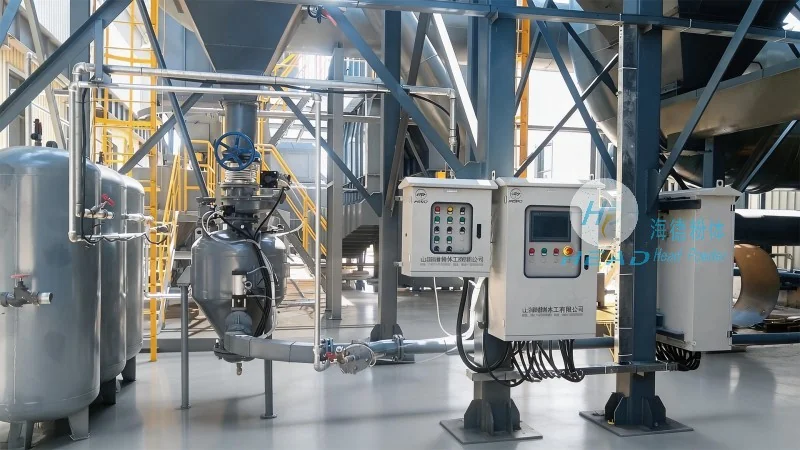
Understanding the Risks of Pipeline Blockages in Gypsum Transport
Gypsum, with its fine particle size and certain physical properties, can pose unique challenges during pneumatic transport. When particles are agitated by air flow, they may agglomerate or form lumps, especially if the conveying velocity is insufficient or the system experiences pressure fluctuations. These blockages can occur at bends, elbows, or other constrictions within the pipeline, leading to reduced airflow and eventual system stoppage. Preventing such occurrences requires a comprehensive approach that considers material characteristics, system design, and operational conditions.
Key Design Parameters for Preventing Blockages in Pneumatic Gypsum Conveying
Several critical design parameters must be carefully evaluated and optimized to minimize the risk of pipeline blockages in gypsum transport. These parameters include: the conveying velocity, the air-to-solid ratio, the pipeline diameter and material, the use of appropriate bends and fittings, and the incorporation of pressure relief or surge control mechanisms. Each of these elements plays a vital role in maintaining a smooth and continuous flow of gypsum particles through the system.
The Role of Conveying Velocity and Air-to-Solid Ratio
Conveying velocity is a fundamental parameter that directly impacts the ability of the system to transport material without clogging. For gypsum, an optimal conveying velocity typically ranges between 20 to 30 meters per second, depending on the particle size and system configuration. This velocity ensures that particles remain suspended in the air stream, preventing them from settling and forming deposits. The air-to-solid ratio, which is the ratio of air volume to solid material volume, must also be carefully controlled. An appropriate ratio ensures sufficient air to maintain particle suspension while avoiding excessive air consumption that could lead to energy inefficiencies. Shandong HeadPowder Engineering Co., Ltd. emphasizes the importance of matching the conveying velocity and air-to-solid ratio to the specific characteristics of the gypsum being transported, as this directly influences system performance and blockage prevention.
Pipeline Diameter and Material Selection
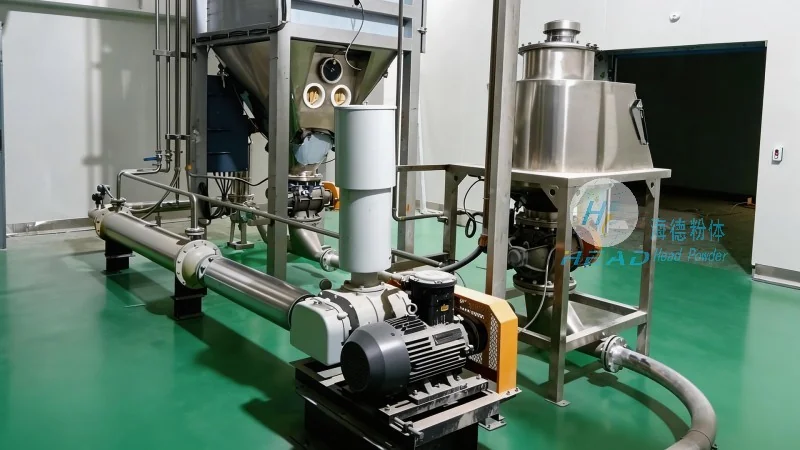
The diameter of the conveying pipeline is another critical design factor. Larger diameters can reduce the risk of blockages by allowing particles to move more freely and minimizing the chance of particle accumulation at bends or constrictions. However, larger diameters also increase material and installation costs. Therefore, a balance must be struck between diameter size and system efficiency. The material of the pipeline itself is equally important. Materials such as stainless steel or corrosion-resistant alloys are often preferred for gypsum transport, as they can withstand the chemical properties of the material and resist wear from particle abrasion. Shandong HeadPowder Engineering Co., Ltd. recommends selecting pipeline materials that are both durable and compatible with the gypsum, ensuring long-term system reliability and preventing corrosion-related issues that could contribute to blockages.
Design of Bends and Fittings
The design of bends, elbows, and other fittings within the pipeline is crucial for maintaining smooth flow and preventing blockages. Sharp bends or abrupt changes in direction can cause particles to lose suspension and settle, leading to clogging. To mitigate this, engineers often use larger radius bends or smooth transitions between sections of the pipeline. Additionally, the use of specialized fittings such as expansion joints or flexible connectors can help absorb vibrations and reduce stress on the system, further reducing the risk of blockages. Shandong HeadPowder Engineering Co., Ltd. incorporates advanced design principles for bends and fittings, ensuring that the system maintains consistent flow characteristics and minimizes the potential for particle accumulation at critical points.
Pressure Relief and Surge Control Systems
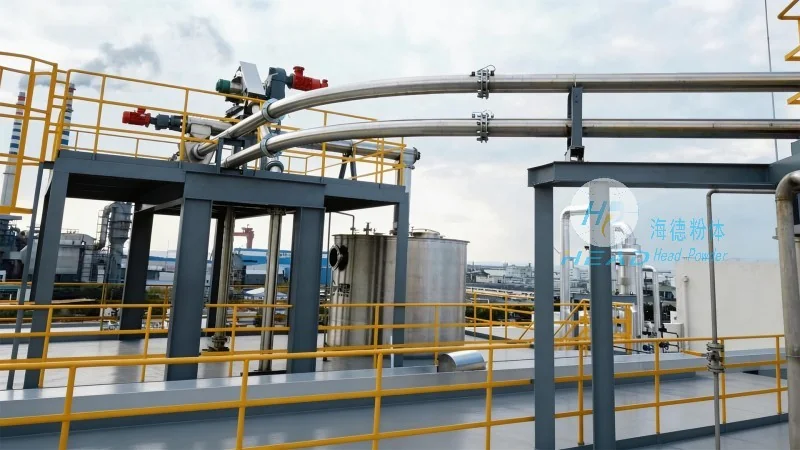
Pressure fluctuations within the pneumatic conveying system can also contribute to blockages. Sudden pressure drops or surges can cause particles to agglomerate or cause air flow disruptions. To address this, pressure relief valves and surge tanks are often incorporated into the system design. These components help regulate pressure and maintain a stable flow environment, preventing sudden changes that could lead to blockages. Shandong HeadPowder Engineering Co., Ltd. designs systems with integrated pressure relief and surge control mechanisms, ensuring that the system operates within safe and optimal pressure ranges, thereby reducing the risk of blockages and enhancing overall system performance.
Operational Considerations and Maintenance
While design parameters are critical, operational considerations and regular maintenance also play a vital role in preventing pipeline blockages. Proper startup and shutdown procedures, regular cleaning of the pipeline and equipment, and monitoring of system performance are essential for long-term reliability. Shandong HeadPowder Engineering Co., Ltd. provides comprehensive operational guidelines and maintenance schedules to ensure that clients can effectively manage their pneumatic conveying systems and minimize the risk of blockages over time.
In conclusion, preventing pipeline blockages in gypsum transport using pneumatic conveying systems requires a holistic approach that integrates careful design of key parameters with proper operational management. By focusing on conveying velocity, air-to-solid ratio, pipeline diameter and material, the design of bends and fittings, and the inclusion of pressure relief mechanisms, systems can be optimized to maintain efficient and uninterrupted operation. Shandong HeadPowder Engineering Co., Ltd. leverages its expertise in these areas to deliver reliable pneumatic conveying solutions for gypsum transport, helping clients avoid costly downtime and ensure consistent material handling performance.




