HeadPowder, a leading engineering company based in Shandong, China, specializes in the design, manufacturing, and installation of advanced pneumatic conveying systems for various industrial applications. The company's expertise lies in developing efficient solutions for transporting zinc roast sand, a critical material in the zinc production process. This article explores the fundamental principles behind zinc roast sand pneumatic conveying equipment and highlights the key characteristics of its operational scenarios.
Principle of Zinc Roast Sand Pneumatic Conveying Equipment
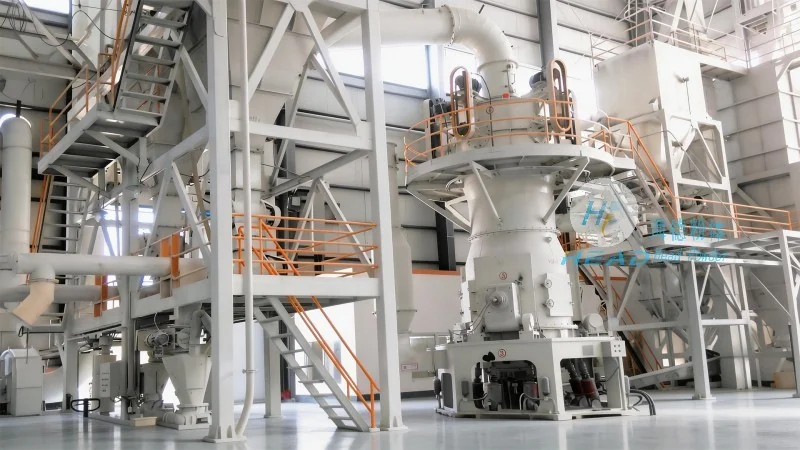
The core principle of pneumatic conveying for zinc roast sand involves the use of air as a medium to transport solid particles. This technology operates by creating a flow of air within a pipeline system, which then carries the zinc roast sand particles from the source to the destination. There are two primary modes of pneumatic conveying: pressure and vacuum. In pressure systems, compressed air is introduced at the inlet, generating a positive pressure that propels the material through the pipeline. Conversely, vacuum systems use a vacuum pump to create a negative pressure at the discharge end, drawing the material from the source. For zinc roast sand, which is typically a fine or semi-fine powder, pressure systems are often preferred due to their ability to handle high volumes and maintain consistent flow rates. The equipment includes components such as a hopper, feeder, air compressor, and pipeline, all working in tandem to ensure smooth and reliable material transport. The hopper stores the zinc roast sand, while the feeder controls the discharge rate to match the air flow. The air compressor provides the necessary pressure, and the pipeline conveys the mixture of air and particles. The system is designed to minimize material degradation, prevent blockages, and ensure efficient energy utilization. By leveraging the principles of fluid dynamics and particle mechanics, the pneumatic conveying system effectively handles the physical properties of zinc roast sand, such as its particle size distribution, density, and moisture content, to achieve optimal performance.
Working Scene Characteristics of Zinc Roast Sand Pneumatic Conveying Equipment
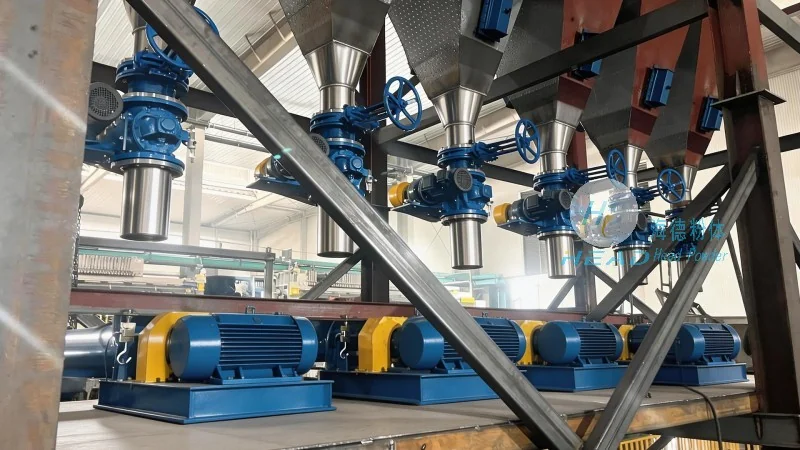
The operational scenarios for zinc roast sand pneumatic conveying equipment vary widely across different industrial settings, each presenting unique challenges and requirements. In zinc smelting plants, for example, the equipment is used to transport zinc roast sand from the roasting furnace to the leaching or filtration stages. The high temperature and corrosive environment in these plants necessitate the use of materials like stainless steel or special alloys for the pipeline and components to ensure durability and resistance to wear. The conveying system must also be capable of handling the varying particle sizes and moisture levels of the zinc roast sand, which can fluctuate based on the raw material quality and processing conditions. Another common application is in the chemical industry, where zinc roast sand is used as a raw material for producing zinc compounds or alloys. Here, the pneumatic conveying equipment is integrated into larger production lines, requiring seamless coordination with other processing units. The working scene characteristics also include considerations for space constraints and environmental regulations. In many industrial facilities, the equipment is installed in confined areas, demanding compact designs and flexible layouts. Additionally, environmental regulations often require the system to be equipped with dust collection and filtration systems to minimize air pollution and ensure compliance with local standards. The operational characteristics of the equipment, such as its flow rate, pressure drop, and energy consumption, are critical factors in determining its suitability for specific working scenarios. By analyzing these characteristics, engineers can select the most appropriate pneumatic conveying system for the task, ensuring efficient and cost-effective material transport. The equipment's ability to handle high volumes and maintain consistent flow rates makes it ideal for continuous production processes, where downtime can lead to significant losses. Furthermore, the system's reliability and low maintenance requirements contribute to its widespread adoption in industrial settings. Overall, the working scene characteristics of zinc roast sand pneumatic conveying equipment are shaped by the specific demands of each industrial application, requiring tailored solutions to meet performance and operational needs.
Advantages and Applications in Industrial Settings
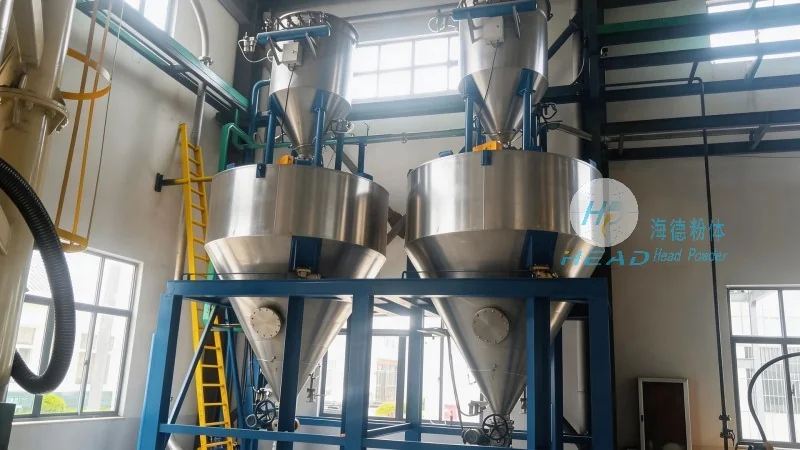
HeadPowder's zinc roast sand pneumatic conveying equipment offers several advantages that make it a preferred choice in industrial applications. One of the key benefits is its ability to transport materials over long distances without the need for intermediate storage or handling. This reduces the risk of material contamination and minimizes the need for manual labor, enhancing overall operational efficiency. The system also provides a clean and hygienic method of material transport, which is particularly important in industries where product purity is critical, such as pharmaceuticals or food processing. Additionally, pneumatic conveying systems are more flexible than traditional methods like belt conveyors or bucket elevators, allowing for easy reconfiguration and expansion as production needs change. The equipment's compact design and low footprint make it suitable for facilities with limited space, and its energy-efficient operation helps reduce operational costs over time. In terms of applications, the equipment is widely used in the zinc production industry, where it plays a vital role in the processing of zinc roast sand. It is also employed in the chemical and metallurgical sectors for transporting various powders and granules. The versatility of the system allows it to handle different materials with varying properties, making it a valuable asset in diverse industrial environments. By understanding the advantages and applications of zinc roast sand pneumatic conveying equipment, industries can optimize their material handling processes, improve productivity, and enhance overall operational performance. The equipment's reliability and efficiency contribute to increased profitability and reduced operational risks, making it an essential component in modern industrial operations.




