Calcium oxide, commonly known as quicklime, is a widely used industrial material in sectors such as construction, metallurgy, and chemical manufacturing. The efficient and safe transportation of calcium oxide dry powder is critical for industrial processes. Pneumatic conveying systems have become a reliable solution for handling such powders, offering advantages like reduced dust, enhanced safety, and improved process control. This article explores the working principles of calcium oxide dry powder pneumatic conveying equipment and examines the specific working scene characteristics that define its application in industrial settings.
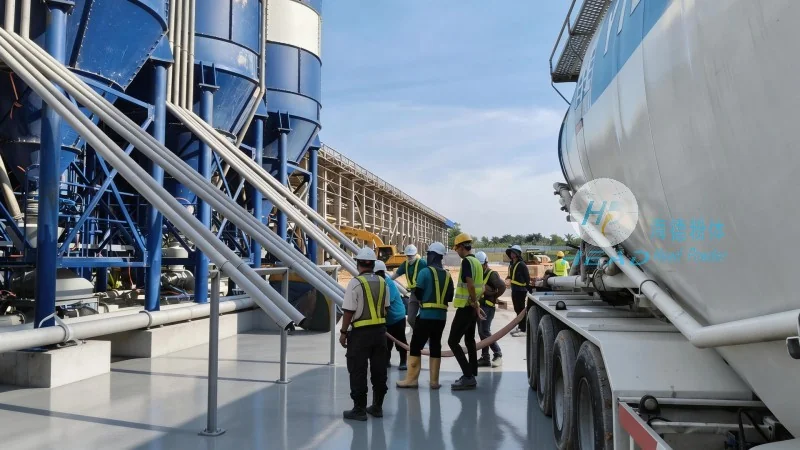
Working Principle of Pneumatic Conveying Systems for Calcium Oxide
The fundamental principle of pneumatic conveying involves using air or gas to transport dry powders through a pipeline. For calcium oxide dry powder, the system typically operates under positive pressure or negative pressure, depending on design and application needs. Positive pressure systems employ a blower or compressor to generate air pressure that pushes the powder through the pipeline, while negative pressure systems use a vacuum to draw the powder from the source into the conveying line. The equipment includes key components: a hopper for material storage, a feeder to control flow rate, a conveyor line with appropriate pipe diameter and length, and a receiver to collect the delivered powder. Air flow rate and pressure are regulated to ensure optimal conveying efficiency and minimize particle degradation or segregation.
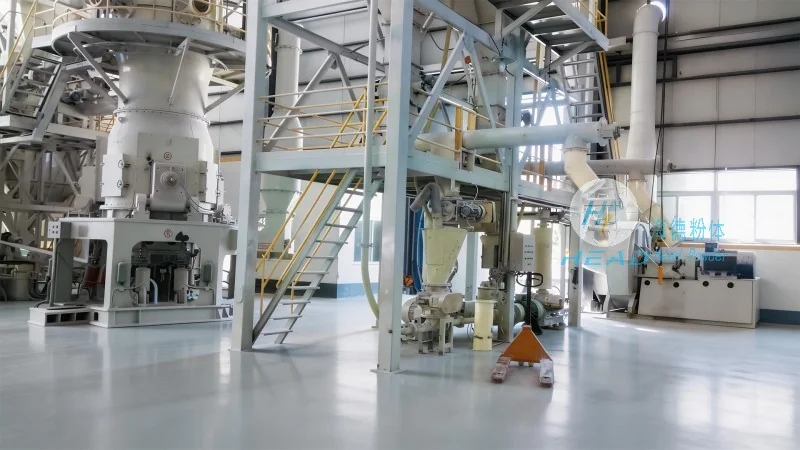
Key Components and Their Functions in the Conveying System
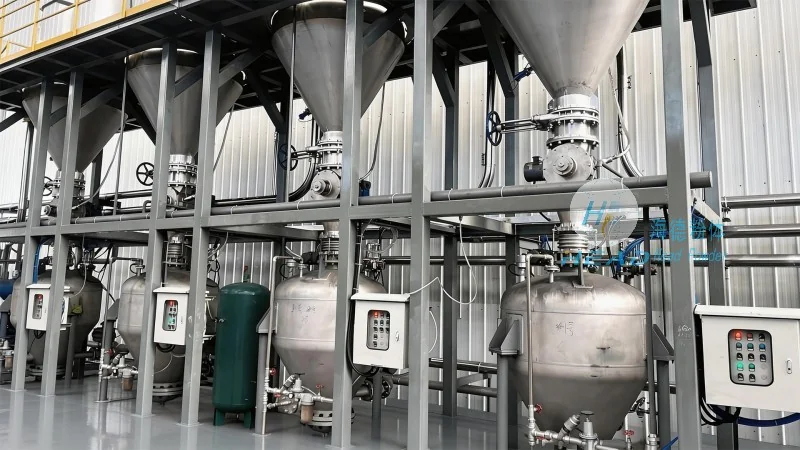
Each component of the calcium oxide dry powder pneumatic conveying system plays a critical role. The hopper stores the powder and maintains consistent feed, often with a discharge valve. The feeder (e.g., rotary valve or screw feeder) regulates material flow to prevent overloading. The conveyor line is constructed from corrosion- and abrasion-resistant materials like stainless steel or special alloys to withstand wear from calcium oxide particles. The air supply system includes a blower, filter, and regulator to provide necessary air pressure and volume. The receiver, equipped with a dust collection system, collects the conveyed powder and may have a venting mechanism to control pressure and prevent dust emissions. Proper maintenance of these components is essential for system efficiency and longevity.
Working Scene Characteristics and Application Scenarios
The working scene characteristics of calcium oxide dry powder pneumatic conveying equipment are tailored to specific industrial environments. In construction sites, the equipment transports quicklime for mortar and concrete production, often in large-scale projects requiring bulk material handling. The system handles high volumes of calcium oxide powder to ensure uninterrupted construction processes. In metallurgical plants, the equipment conveys quicklime for steelmaking, where precise material flow control is vital for product quality. The working scene may involve long-distance conveying over several hundred meters, demanding robust pipelines and efficient air management. In chemical manufacturing facilities, the equipment transports quicklime for chemical reactions, requiring compatibility with other industrial processes and stringent safety standards. Dust control and environmental compliance are key considerations, as calcium oxide is a fine powder posing health risks if not handled properly. The equipment is often integrated with dust collection systems to minimize emissions and ensure a safe working environment.
Advantages and Considerations for Calcium Oxide Dry Powder Pneumatic Conveying
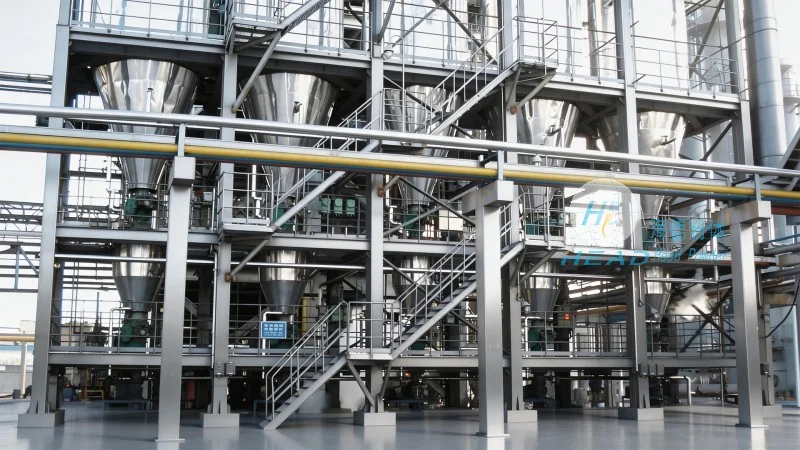
Pneumatic conveying systems for calcium oxide dry powder offer advantages over traditional methods like bucket elevators or belt conveyors. These include reduced dust generation, improving workplace safety and environmental compliance. The systems provide better material flow control, minimizing clogging risks. They are also more compact, suitable for confined spaces. However, considerations include regular maintenance to prevent component wear, proper air filtration for air quality, and evaluating initial and operational costs against benefits. Overall, the advantages make pneumatic conveying a preferred choice for industrial applications involving calcium oxide dry powder.




