Algae powder, a valuable resource in the field of bioenergy and environmental protection, often requires efficient and reliable transportation methods to ensure its proper processing and utilization. Pneumatic conveying equipment has emerged as a key solution for handling such powders, offering advantages in terms of hygiene, safety, and operational flexibility. This article delves into the principles behind algae powder pneumatic conveying systems and highlights the specific characteristics of working scenes where such equipment is commonly applied.
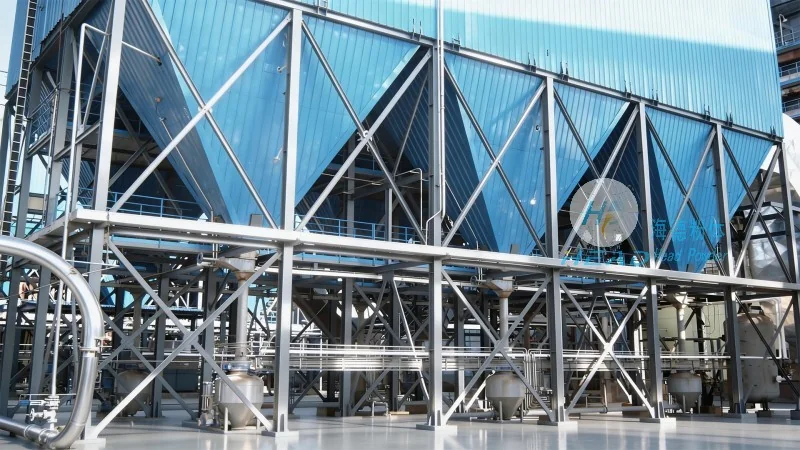
Introduction to Algae Powder Pneumatic Conveying
Algae powder, derived from various microalgae species, is rich in nutrients and bioactive compounds, making it a promising feedstock for biofuels, animal feed, and other industrial applications. However, the fine and often hygroscopic nature of algae powder poses challenges during handling and transportation. Traditional methods like belt conveyors or bucket elevators may not be suitable due to the risk of dust generation, material degradation, or contamination. Pneumatic conveying systems address these issues by using compressed air to transport the powder in a closed pipeline system, ensuring a clean and controlled process.
The Core Principle of Pneumatic Conveying
The fundamental principle of pneumatic conveying for algae powder involves the creation of a flow of air or gas that carries the powder particles through a pipeline. This process can be categorized into two main types: dilute-phase and dense-phase conveying. Dilute-phase systems operate at higher air velocities, typically transporting particles in a dispersed state, while dense-phase systems use lower velocities to move particles in a more concentrated manner, often with the assistance of pressure pulses or positive displacement pumps. For algae powder, the choice between these systems depends on factors such as particle size, moisture content, and the required distance of transportation.
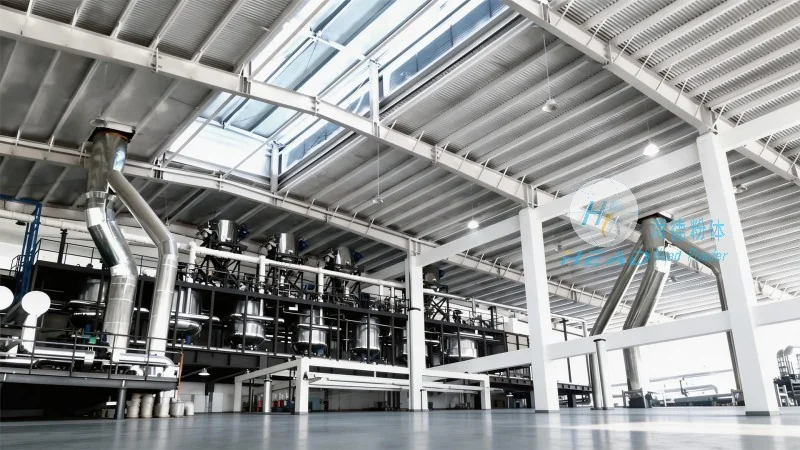
Key Components of Algae Powder Pneumatic Conveying Systems
Effective pneumatic conveying of algae powder relies on several critical components that work in concert to ensure optimal performance. These include the air compressor or blower, which provides the necessary pressure and airflow; the hopper or feeder, which stores and feeds the powder into the system; the conveying pipeline, which transports the powder-air mixture; and the receiver or discharge unit, which collects the powder at the destination. Additionally, components like cyclone separators, filters, and pressure regulators are often integrated to maintain system efficiency and prevent material loss or contamination.
Working Scene Characteristics of Algae Powder Pneumatic Conveying
The application of algae powder pneumatic conveying equipment varies across different industrial settings, each with its own unique characteristics and requirements. In the context of Shandong HeadPowder Engineering Co., Ltd., a leading manufacturer in this field, the working scenes typically include large-scale algae cultivation facilities, biofuel production plants, and animal feed processing centers. These environments demand high-capacity, low-downtime systems that can handle the bulk transportation of algae powder from harvesting to processing stages.
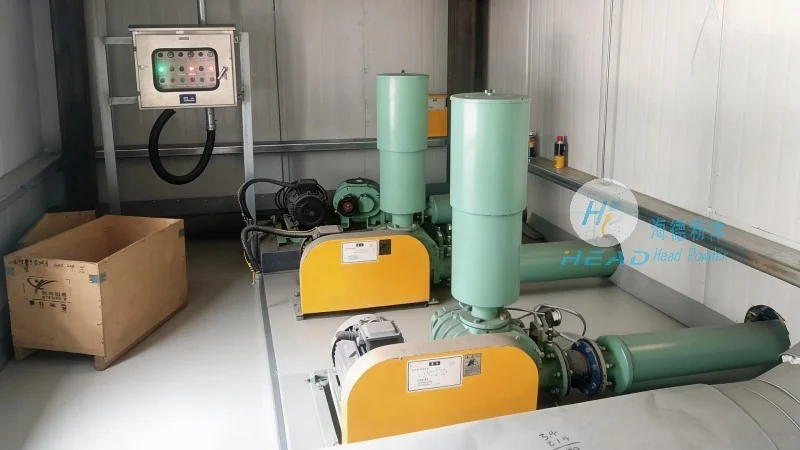
Advantages in Industrial Applications
When applied in industrial settings, algae powder pneumatic conveying systems offer several advantages that make them preferable over traditional methods. Firstly, they provide a dust-free and hygienic environment, which is crucial for maintaining product quality and compliance with food and pharmaceutical industry standards. Secondly, the closed pipeline system minimizes the risk of material contamination from external sources, ensuring the purity of the algae powder. Thirdly, these systems are highly flexible, allowing for easy integration with existing production lines and the ability to transport the powder over long distances without the need for intermediate storage or handling.
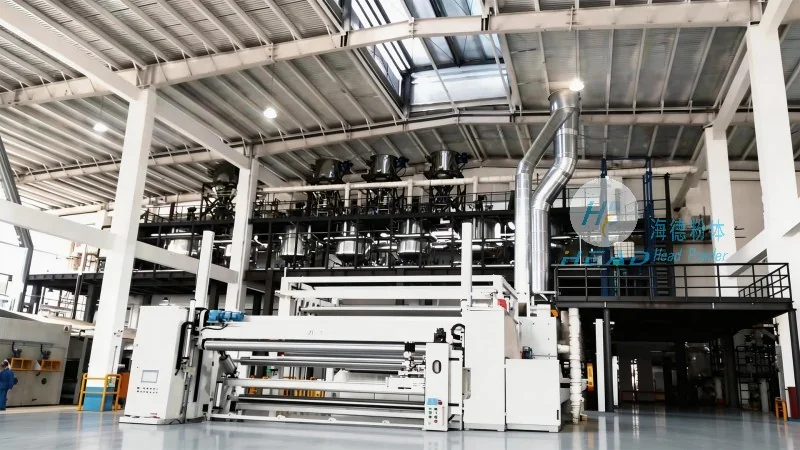
Operational Considerations and Maintenance
While pneumatic conveying systems offer significant benefits, their operation requires careful consideration of several factors to ensure long-term reliability. Proper maintenance of the air compressor and pipeline components is essential to prevent wear and tear, which can lead to increased energy consumption and reduced efficiency. Regular cleaning of cyclone separators and filters is also necessary to maintain system performance and prevent clogging. Additionally, monitoring air pressure and flow rates is critical to optimize the conveying process and avoid issues such as material blockages or air leaks.
Conclusion
In conclusion, pneumatic conveying equipment plays a vital role in the efficient and safe handling of algae powder, a key resource in modern bio-based industries. By understanding the principles and working scene characteristics of such systems, industries can make informed decisions about their material handling strategies. As a company dedicated to providing advanced engineering solutions, Shandong HeadPowder Engineering Co., Ltd. continues to innovate in the design and manufacturing of pneumatic conveying systems tailored to the specific needs of algae powder processing, ensuring optimal performance and reliability in diverse industrial applications.




