Principle and Working Scene Characteristics of Ammonium Bicarbonate Pneumatic Conveying Equipment
Release time:2026-09-18 19:01:30
name of the company:Shandong Headpowder Engineering Co., Ltd.
telephone:156-6277-7102
contacts:Zhang manager
Ammonium bicarbonate, a widely used chemical in industrial applications, often requires efficient and reliable transportation systems. The pneumatic conveying equipment designed for this specific chemical offers a solution that combines efficiency with safety. This equipment is engineered to handle the unique properties of ammonium bicarbonate, ensuring smooth and controlled movement from storage to processing units. The following sections will explore the fundamental principles behind this technology and the typical working environments where it is applied.
Principle of Pneumatic Conveying for Ammonium Bicarbonate
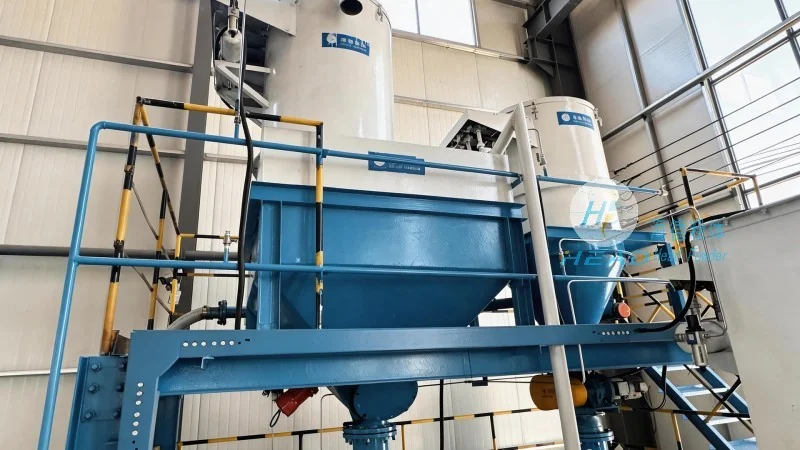
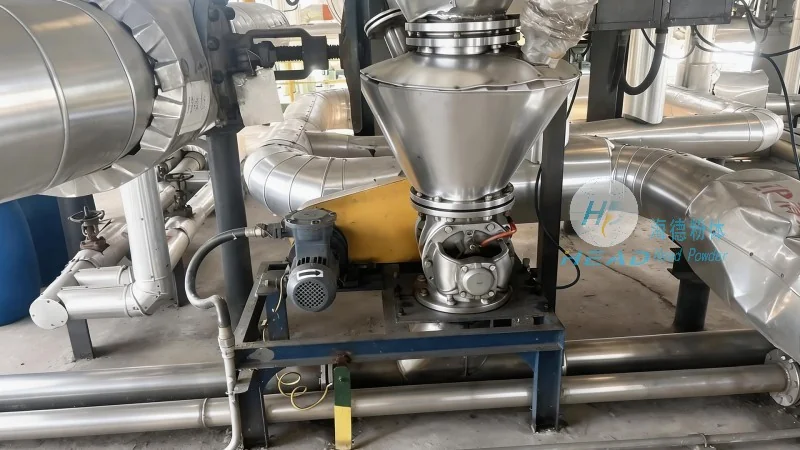
The core principle of pneumatic conveying involves using a gas stream, typically air, to transport solid materials through a pipeline. In the case of ammonium bicarbonate, the equipment utilizes a positive displacement or pressure differential system to move the material. The process begins with the material being fed into a hopper, where it is then drawn into the conveying line by the moving air. The air velocity is carefully controlled to maintain a stable flow, preventing material degradation or blockages. This method eliminates the need for mechanical components like belts or screws, reducing maintenance requirements and enhancing operational safety. The system is designed to handle the abrasive and potentially corrosive nature of ammonium bicarbonate, ensuring long-term durability and reliability.
Working Scene Characteristics of Ammonium Bicarbonate Pneumatic Conveying Equipment
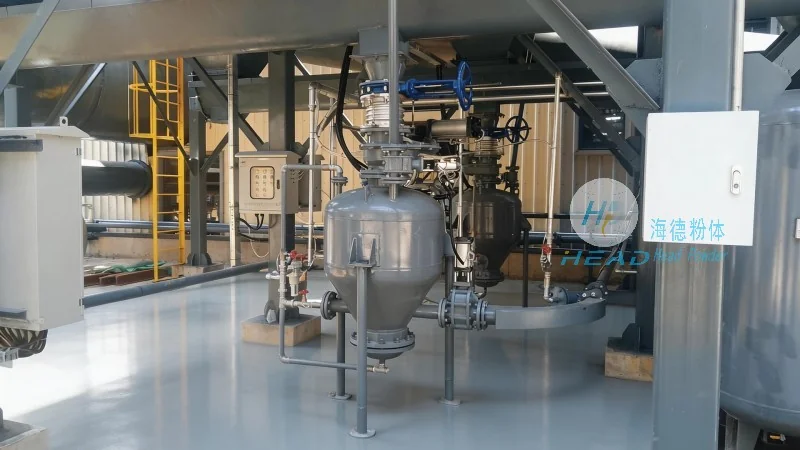
The application of this equipment varies based on the industrial setting. In fertilizer production facilities, for instance, the equipment is commonly used to transport ammonium bicarbonate from bulk storage silos to mixing and granulation units. The working environment in such cases is characterized by high production volumes and continuous operation, demanding equipment that can handle large quantities without interruption. The equipment is also suitable for use in food processing plants where ammonium bicarbonate is used as a leavening agent or in pharmaceutical manufacturing for its role as a buffering agent. In these settings, the equipment operates in cleanroom conditions, requiring strict adherence to hygiene standards. The design of the conveying system includes features such as dust collection and filtration to maintain air quality and comply with environmental regulations. Additionally, the equipment is often integrated with automated control systems that monitor flow rates and pressure, ensuring optimal performance and minimizing downtime.
Key Features and Advantages
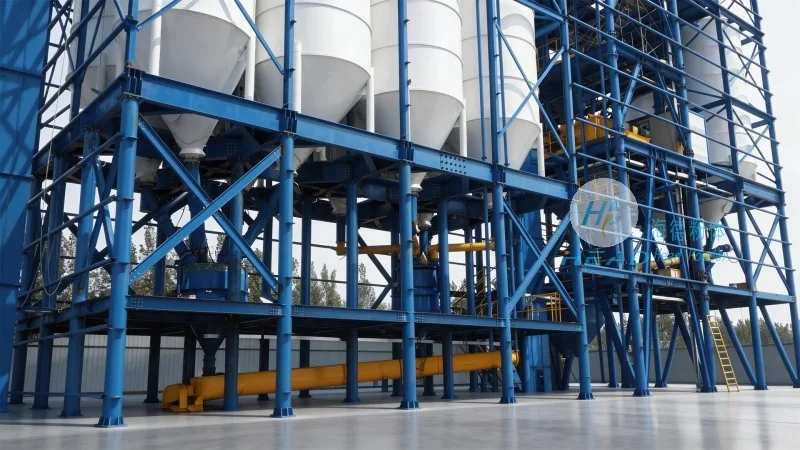
Ammonium bicarbonate pneumatic conveying equipment offers several advantages over traditional methods. Firstly, it provides a dust-free and enclosed transport system, which is crucial for maintaining product quality and safety. The absence of mechanical parts reduces the risk of contamination and material degradation, which is particularly important for sensitive chemicals like ammonium bicarbonate. Secondly, the system is highly flexible, allowing for changes in material flow rates and direction without major modifications. This adaptability makes it suitable for diverse industrial applications. Thirdly, the equipment is energy-efficient compared to other conveying methods, as it uses compressed air that can be recycled and reused. The reduced energy consumption not only lowers operational costs but also contributes to environmental sustainability. Furthermore, the system is easy to install and maintain, with modular components that can be replaced or upgraded as needed. This reduces the overall lifecycle cost and enhances the equipment's longevity.




