Principle and Working Scene Characteristics of Catalyst Powder Pneumatic Conveying
Release time:2026-09-18 16:01:27
name of the company:Shandong Headpowder Engineering Co., Ltd.
telephone:156-6277-7102
contacts:Zhang manager
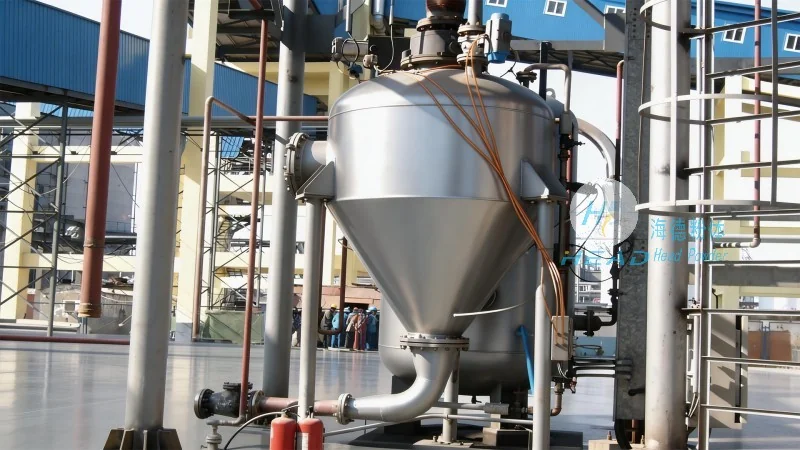
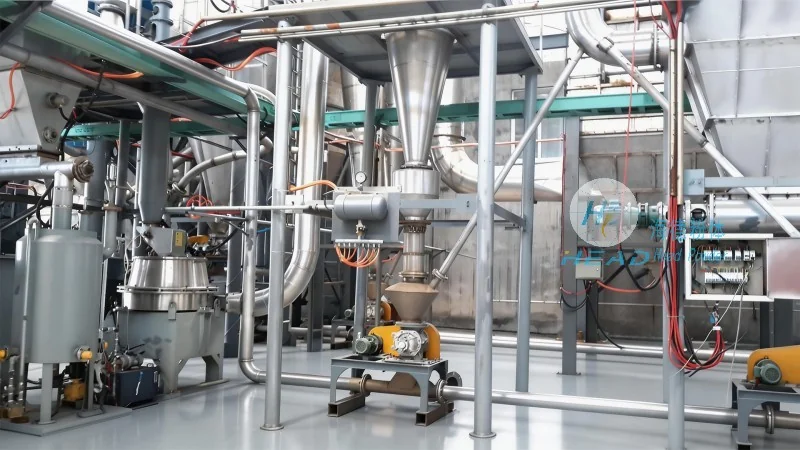
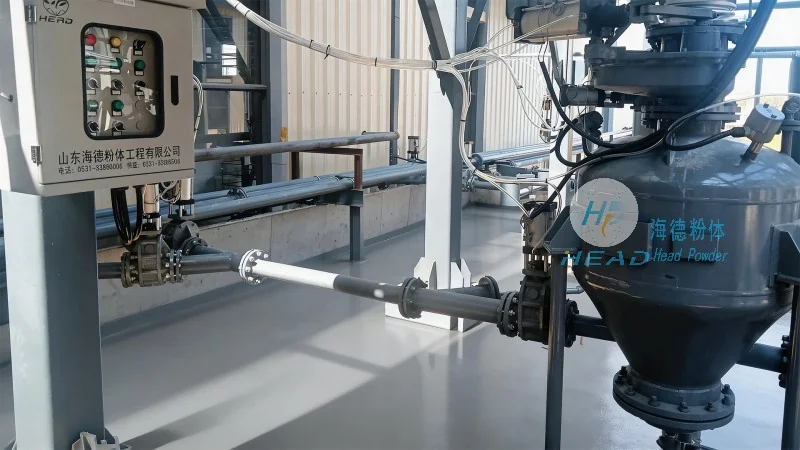
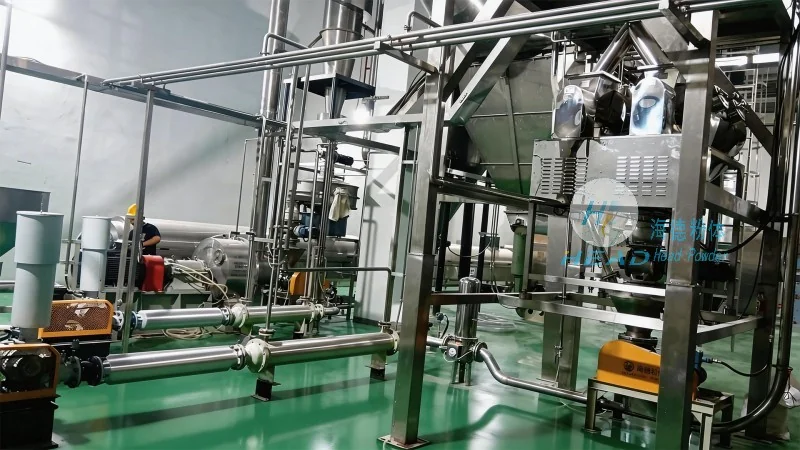
Catalyst powder pneumatic conveying is a key technology in the field of powder handling, enabling the efficient transport of catalyst powders from one location to another. The core principle involves using a gas stream, typically air or other suitable gases, to transport the solid particles. This method can be categorized into two main types: pressure conveying and vacuum conveying. In pressure conveying systems, a positive pressure is maintained in the conveying line, pushing the powder forward. Conversely, vacuum conveying systems create a negative pressure to draw the powder into the line. The selection of the appropriate type depends on factors such as the distance, particle size, and material properties of the catalyst powder. The process typically includes a feeding device, a conveying line, a separation unit, and a discharge device. The feeding device ensures the catalyst powder is introduced into the system without causing blockages. The conveying line transports the powder mixture, while the separation unit, often a cyclone or filter, separates the powder from the gas. Finally, the discharge device collects the catalyst powder for further use.
Working Scene Characteristics of Catalyst Powder Pneumatic Conveying
The working scene characteristics of catalyst powder pneumatic conveying are tailored to meet the specific demands of industrial applications. These characteristics include high efficiency, flexibility, and the ability to handle a wide range of catalyst powders with varying particle sizes and moisture content. In industrial settings, such as chemical plants, petrochemical facilities, and pharmaceutical manufacturing sites, the need for reliable and safe powder transport is critical. The technology is particularly suitable for applications where traditional methods like belt conveyors or bucket elevators may be less effective due to the abrasive or reactive nature of catalyst powders. The working scene also emphasizes safety and environmental considerations, as catalyst powders can be hazardous if not handled properly. The system design often incorporates features like explosion-proof components and dust collection systems to mitigate risks. Additionally, the flexibility of pneumatic conveying allows for integration into existing production lines, minimizing downtime and operational disruptions. This adaptability makes it a preferred choice in industries where catalyst powders are used in large quantities and require precise control over the transport process.
About Shandong HeadPowder Engineering Co., Ltd.
Shandong HeadPowder Engineering Co., Ltd. is a leading provider of specialized engineering solutions for powder handling, with a focus on catalyst powder applications. The company is headquartered in Shandong, China, and has established itself as a trusted partner in the chemical and petrochemical industries. With years of experience in the field, HeadPowder has developed advanced pneumatic conveying systems tailored to the unique requirements of catalyst powders. The company's expertise lies in designing and manufacturing equipment that ensures efficient, safe, and reliable transport of catalyst powders, meeting the stringent standards of industrial applications. HeadPowder's commitment to quality and innovation has enabled it to serve a diverse range of clients, from small-scale chemical manufacturers to large-scale petrochemical plants. The company's team of engineers and technicians work closely with clients to understand their specific needs and provide customized solutions that enhance operational efficiency and reduce costs. By leveraging cutting-edge technology and rigorous quality control measures, HeadPowder delivers high-performance pneumatic conveying systems that contribute to the smooth operation of industrial processes.




