Pepper powder, a staple ingredient in culinary applications worldwide, presents unique challenges when it comes to material handling and transportation. As a fine, dry powder with a tendency to agglomerate and absorb moisture, efficient and reliable pneumatic conveying systems are essential for maintaining product quality and operational efficiency. This article outlines key design considerations for pepper powder pneumatic conveying systems, with a focus on practical solutions tailored to the specific demands of this industry.
Understanding the Core Principles of Pneumatic Conveying
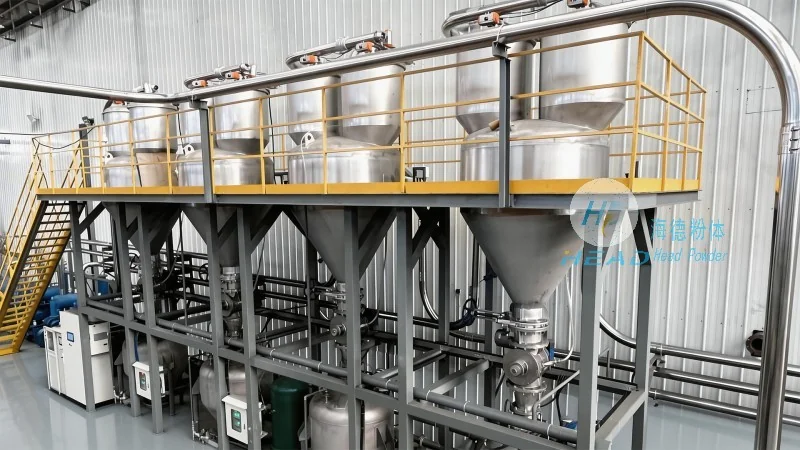
Before delving into design specifics, it is crucial to grasp the fundamental principles of pneumatic conveying. This technology involves transporting bulk materials through a pipeline using a gas stream, typically air or a combination of air and other gases. The two primary types of systems are positive pressure and negative pressure (or vacuum) systems. Positive pressure systems use a blower to push air and material through the line, while negative pressure systems use a vacuum to draw material into the system. The choice between these systems depends on factors such as material properties, distance, and system complexity.
Key Design Considerations for Pepper Powder Systems
When designing a pneumatic conveying system for pepper powder, several critical factors must be addressed to ensure optimal performance and product integrity. These considerations include system type selection, pipeline design, air-to-solid ratio (A/S ratio), equipment selection, and material handling efficiency.
System Type Selection: Positive Pressure vs. Negative Pressure
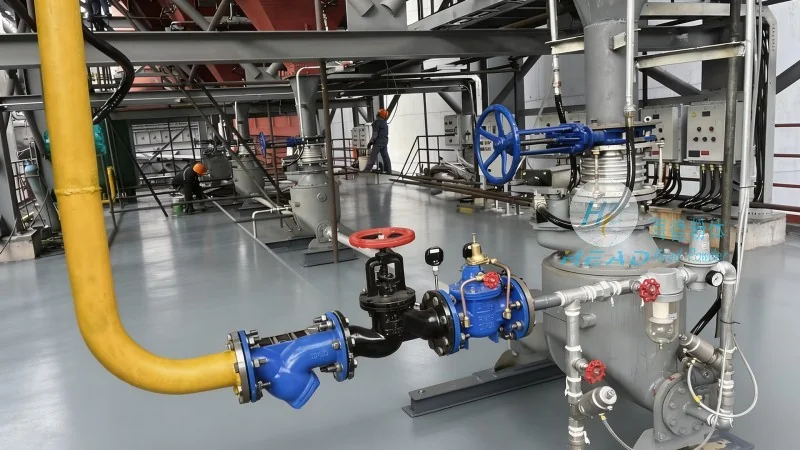
The first major decision in system design is choosing between positive pressure and negative pressure. Positive pressure systems are generally preferred for pepper powder applications due to their ability to handle high material loads and maintain consistent flow rates. They are also more suitable for long-distance conveying and can be integrated with existing facilities more easily. However, negative pressure systems may be advantageous in environments where dust control is a top priority, as they create a sealed system that prevents material from escaping. For pepper powder, which is often sensitive to contamination and moisture, positive pressure systems are typically recommended, as they offer better control over the material's exposure to the environment.
Pipeline Design and Material Flow Optimization
Pipeline design is a critical aspect of system performance. The diameter and length of the pipeline, as well as the number of bends and fittings, directly impact the system's efficiency and energy consumption. For pepper powder, which can be prone to clogging and agglomeration, it is essential to use smooth, corrosion-resistant materials for the pipeline, such as stainless steel or PTFE-coated tubing. The use of larger diameter pipes can reduce pressure drop and improve flow, but may increase initial costs. Additionally, incorporating expansion joints and flexible connectors can help accommodate thermal expansion and reduce stress on the system components.
Optimizing Air-to-Solid Ratio (A/S Ratio)
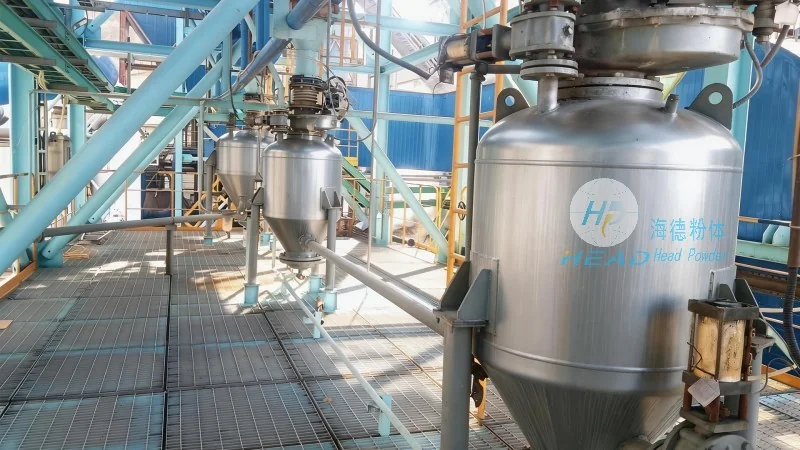
The air-to-solid ratio is a key parameter that determines the system's capacity and efficiency. It is calculated as the ratio of the mass flow rate of air to the mass flow rate of material. For pepper powder, an optimal A/S ratio typically ranges from 5:1 to 15:1, depending on the system type and material characteristics. A higher A/S ratio can increase the conveying capacity but may lead to higher energy consumption and increased dust generation. Conversely, a lower A/S ratio may result in lower energy costs but could cause material clogging or reduced system performance. Proper calculation and adjustment of the A/S ratio are essential for achieving the best balance between efficiency and cost.
Equipment Selection: Blowers, Filters, and Separators
The selection of appropriate equipment is vital for the reliable operation of a pepper powder pneumatic conveying system. The blower or vacuum pump is the heart of the system, responsible for generating the necessary air pressure or vacuum. For positive pressure systems, centrifugal blowers are commonly used due to their high capacity and efficiency. For negative pressure systems, rotary vane or Roots blowers may be preferred. The choice of blower depends on the system's pressure requirements, flow rate, and noise levels. Additionally, the system must include efficient filtration and separation equipment to prevent pepper powder from entering the blower and causing damage. High-efficiency particulate air (HEPA) filters are often used to ensure that the air leaving the system is clean and free of dust, which is crucial for maintaining product quality and compliance with regulatory standards.
Material Handling and Product Integrity
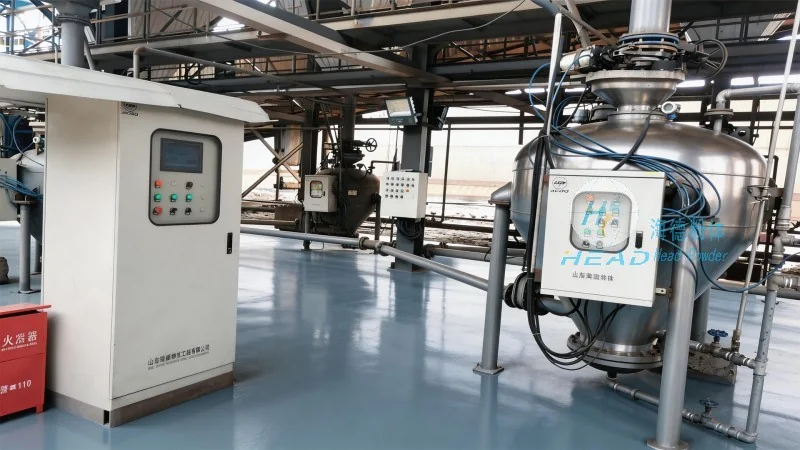
Ensuring the integrity of pepper powder during transportation is paramount. Pepper powder is a sensitive product that can be affected by temperature, moisture, and physical stress. Therefore, the design of the system must minimize these factors. For example, the use of insulated pipelines can help maintain the temperature of the material, preventing moisture absorption and maintaining flavor and aroma. Additionally, the system should be designed to avoid high-velocity impacts or excessive turbulence, which can cause the powder to degrade or lose its quality. The incorporation of in-line mixers or agitators can help prevent agglomeration and ensure uniform flow.
Case Study: HeadPowder's Pepper Powder Pneumatic Conveying Solutions
Shandong HeadPowder Engineering Co., Ltd., a leading provider of engineering solutions for the food processing industry, specializes in designing and manufacturing pneumatic conveying systems tailored to the unique needs of pepper powder and other fine powders. With years of experience in the field, HeadPowder has developed a range of solutions that address the challenges of material handling, ensuring high efficiency, product quality, and operational reliability. The company's expertise lies in customizing systems to meet specific customer requirements, from small-scale applications to large industrial operations. By leveraging advanced technology and a deep understanding of material properties, HeadPowder delivers systems that are both effective and cost-efficient.




