HeadPowder, a leading provider of industrial material handling solutions, specializes in the design and manufacturing of quantitative feeding pneumatic conveying systems. With a strong presence in Shandong, China, the company has established itself as a trusted partner for businesses seeking efficient and reliable material transport solutions. This article explores the fundamental principles behind these systems and highlights their key characteristics across various operational scenarios.
Understanding the Core Principle of Quantitative Feeding Pneumatic Conveying Systems
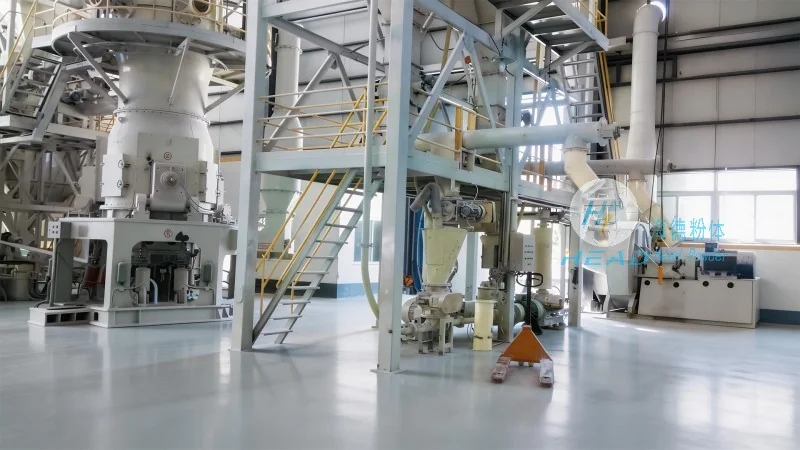
At the heart of quantitative feeding pneumatic conveying systems lies a sophisticated mechanism that combines precise material feeding with pneumatic transport technology. The system operates by first measuring and controlling the flow rate of bulk materials, such as powders or granules, and then transporting them through a pipeline using compressed air or other gas. This approach ensures that the material is delivered in a controlled, consistent manner, which is critical for applications where accuracy and uniformity are paramount.
The quantitative feeding component typically involves a feeder, often a screw or rotary valve, that regulates the input of material into the conveying line. This feeder is integrated with sensors or control devices that monitor the flow rate in real-time, allowing for adjustments to maintain the desired output. The pneumatic conveying section then uses a blower or compressor to generate the necessary airflow, which propels the material through the pipeline. The system may include features like pulse-jet or positive displacement to optimize the conveying efficiency and prevent material degradation.
Key Working Scene Characteristics and Applications
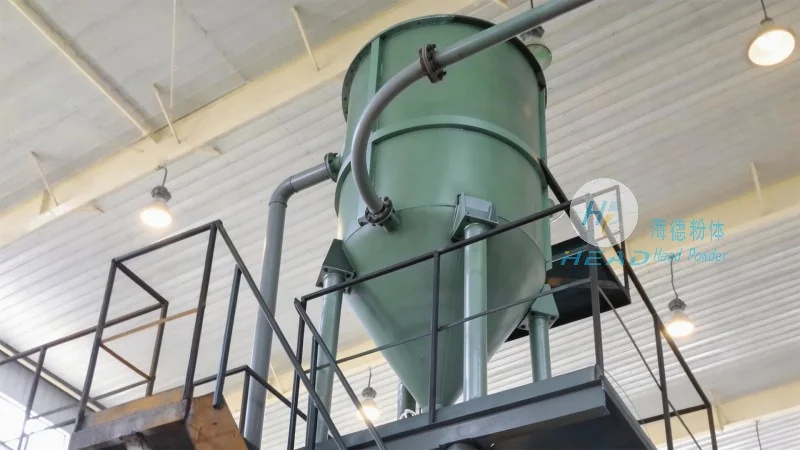
Quantitative feeding pneumatic conveying systems are versatile and find applications across diverse industries, each with unique operational requirements. The following characteristics define their performance in different working environments:
1. Precision and Consistency in Material Handling
One of the most significant advantages of these systems is their ability to deliver materials with high precision and consistency. This is particularly important in industries like pharmaceuticals, food processing, and chemical manufacturing, where variations in material flow can affect product quality and safety. The quantitative feeding mechanism ensures that the exact amount of material is transported at each stage, reducing waste and improving process efficiency.
2. Adaptability to Diverse Material Types
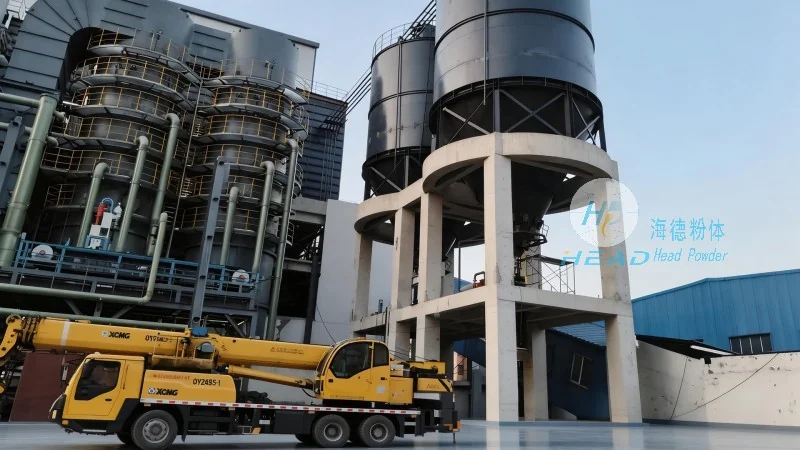
The systems are designed to handle a wide range of materials, from fine powders to bulk granules, and even abrasive or corrosive substances. The choice of materials for the conveying components, such as the feeder and pipeline, is tailored to the specific properties of the material being transported. For example, stainless steel or special alloys may be used for handling corrosive chemicals, while flexible hoses are suitable for lighter powders to prevent clogging.
3. Space Efficiency and Integration Capabilities
In many industrial settings, space is a critical factor. Quantitative feeding pneumatic conveying systems are compact and can be integrated seamlessly into existing production lines. They eliminate the need for large, open storage areas or complex mechanical conveyors, making them ideal for facilities with limited floor space. The modular design allows for easy installation and maintenance, reducing downtime and operational costs.
4. Environmental and Safety Considerations
These systems are engineered with environmental and safety considerations in mind. The enclosed pipeline design prevents dust emissions and protects operators from exposure to hazardous materials. Additionally, the system can be equipped with safety features like pressure relief valves and emergency shut-off mechanisms to ensure safe operation. This makes them suitable for applications where environmental compliance and worker safety are top priorities.
5. Scalability and Customization Options
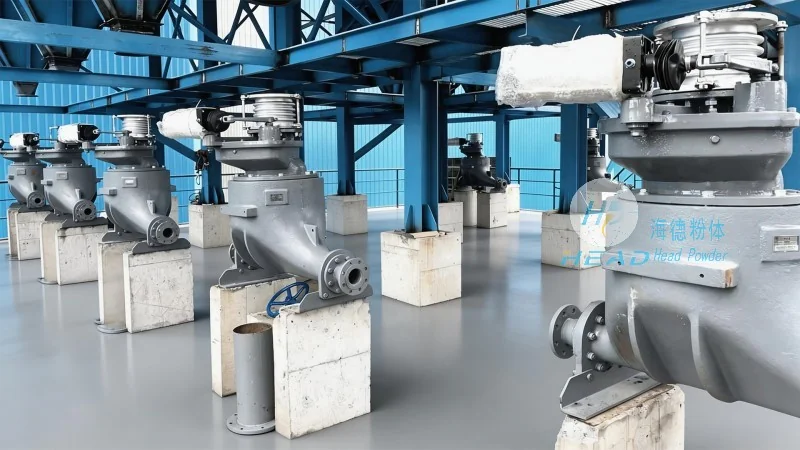
HeadPowder offers customizable solutions that can be scaled to meet the specific needs of different operations. Whether a small-scale laboratory setup or a large-scale industrial plant, the systems can be configured to handle varying capacities and material types. The company’s expertise in engineering allows for tailored designs that optimize performance and cost-effectiveness for each client.
Conclusion: The Role of Quantitative Feeding Pneumatic Conveying Systems in Modern Material Handling
Quantitative feeding pneumatic conveying systems represent a sophisticated solution for efficient and precise material transport. By integrating advanced feeding mechanisms with pneumatic technology, these systems address the challenges of inconsistent material flow and limited space in modern industrial operations. With their adaptability, precision, and safety features, they are becoming an essential component in industries where reliability and quality are non-negotiable. HeadPowder continues to innovate in this field, providing tailored solutions that enhance operational efficiency and support the growth of its clients.




