When it comes to handling and transporting silica fume powder, selecting the right conveying method is crucial for efficiency, safety, and product integrity. Silica fume, also known as microsilica, is a fine powder used in various industrial applications, including concrete, rubber, and specialty chemicals. The choice of conveying method depends on factors such as the material's properties, the required flow rate, the distance to be covered, and the overall system design. In this article, we explore the common methods used for silica fume powder conveying, providing insights into their advantages, applications, and practical considerations.
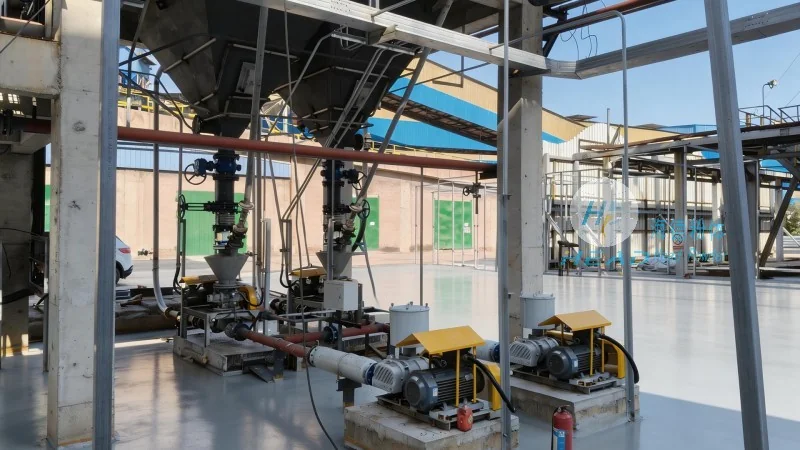
1. Air-Pneumatic Conveying Systems
Air-pneumatic conveying, often referred to as pneumatic conveying, is one of the most widely used methods for transporting fine powders like silica fume. This technique utilizes compressed air to move the material through a pipeline. There are two main types of pneumatic conveying systems: pressure and vacuum. Pressure systems use positive pressure to push the material forward, while vacuum systems use negative pressure to pull it. The choice between the two depends on the distance and the nature of the material. For silica fume, which is a very fine powder, pressure systems are often preferred as they can handle high volumes and long distances more effectively. The system typically consists of a hopper, a feeder, a pipeline, and a receiver. The feeder controls the flow rate of the powder into the pipeline, and the compressed air then propels the material through the system. Air-pneumatic conveying offers several advantages, including the ability to transport materials over long distances, the integration of dust collection and material handling into a single system, and the flexibility to handle varying flow rates. However, it requires careful consideration of air pressure, flow rates, and the potential for material degradation due to friction and abrasion within the pipeline.
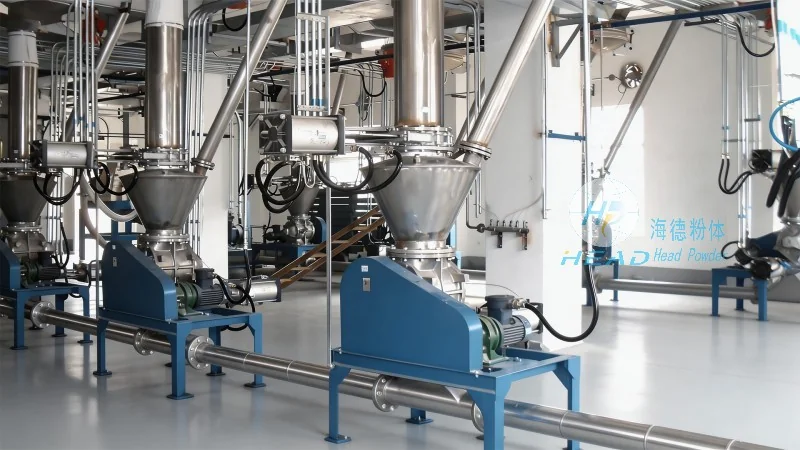
2. Screw Conveyors
Screw conveyors, also known as auger conveyors, are another common method for transporting silica fume powder. These systems use a rotating screw or auger to move the material along a trough or tube. The screw is typically made of stainless steel or other corrosion-resistant materials to withstand the abrasive nature of silica fume. Screw conveyors are particularly suitable for horizontal or slightly inclined applications, as they can handle moderate to high flow rates and are relatively simple to install and maintain. The key components of a screw conveyor include the screw, the housing, the drive mechanism, and the feed and discharge points. The screw rotates, pushing the material forward as it moves through the housing. The speed of the screw and the pitch of the threads can be adjusted to control the flow rate and the pressure drop. Screw conveyors are often used in applications where the material needs to be conveyed over short to medium distances, such as in storage silos or processing plants. They are also effective for handling materials that are prone to caking or bridging, as the screw action helps to break up any agglomerates. However, screw conveyors may not be suitable for very fine powders that are prone to dusting or for long vertical lifts, as the friction and pressure can cause material degradation.
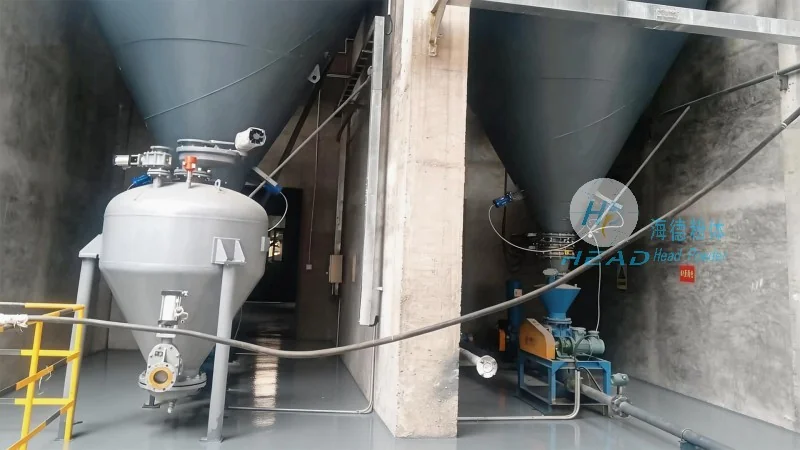
3. Pneumatic and Mechanical Combination Systems
In some cases, a combination of pneumatic and mechanical conveying methods is used to address specific challenges in silica fume powder handling. For example, a system might use a screw conveyor to transport the material from a storage silo to a pneumatic conveying line. This hybrid approach allows for the benefits of both systems to be utilized. The screw conveyor can handle the material in bulk from the silo, while the pneumatic system can then transport it to the final destination over longer distances or to multiple points. This combination is often used in large-scale industrial operations where high throughput and flexibility are required. The system design involves integrating the screw conveyor with the pneumatic line, ensuring a smooth transition between the two. The combination system can be controlled using a central control unit that monitors the flow rates, pressure, and other parameters to optimize the conveying process. This approach provides a robust solution for handling silica fume powder in complex industrial environments, where different conveying requirements may need to be met simultaneously.
4. Considerations for Silica Fume Powder Conveying
When selecting a conveying method for silica fume powder, several factors must be considered to ensure optimal performance and safety. First, the properties of the material itself are critical. Silica fume is a very fine powder with a high surface area, which makes it prone to dusting and caking. This means that the conveying system must be designed to minimize friction and pressure that could cause degradation or agglomeration. Second, the distance and elevation changes need to be taken into account. For short horizontal distances, a screw conveyor may be sufficient, while for longer distances or vertical lifts, a pneumatic system may be more appropriate. Third, the system's capacity and flow rate requirements must be matched to the production needs. The conveying system should be able to handle the required volume without causing bottlenecks or excessive pressure drops. Fourth, the integration with other equipment, such as storage silos, mixers, or processing units, is important. The conveying system should be able to connect seamlessly with these components to form a cohesive material handling process. Finally, maintenance and operational costs should be considered. The system should be easy to clean, maintain, and operate to minimize downtime and operational expenses.
5. Conclusion
Choosing the right conveying method for silica fume powder is essential for efficient and safe material handling in industrial applications. Air-pneumatic conveying, screw conveyors, and combination systems each offer unique advantages and are suitable for different scenarios. By considering the material properties, conveying distance, and system requirements, industrial operators can select the most appropriate method to ensure optimal performance and product integrity. As a leading provider of material handling solutions, Shandong HeadPowder Engineering Co., Ltd. specializes in designing and manufacturing customized conveying systems tailored to the specific needs of silica fume powder handling. With years of experience and expertise in the field, HeadPowder offers reliable and efficient solutions that meet the highest standards of quality and performance. Based in Shandong, China, HeadPowder serves clients worldwide, providing comprehensive support from system design to installation and maintenance. Whether you need a simple screw conveyor or a complex hybrid system, HeadPowder is committed to delivering solutions that enhance productivity and safety in your silica fume powder handling operations.




