HeadPowder, a leading provider of industrial material handling solutions, specializes in advanced pneumatic conveying technologies tailored for aluminum battery production. This article explores the fundamental principles of pneumatic conveying and highlights key working scene characteristics that make this method efficient and reliable in aluminum battery manufacturing processes.
The Fundamental Principle of Pneumatic Conveying
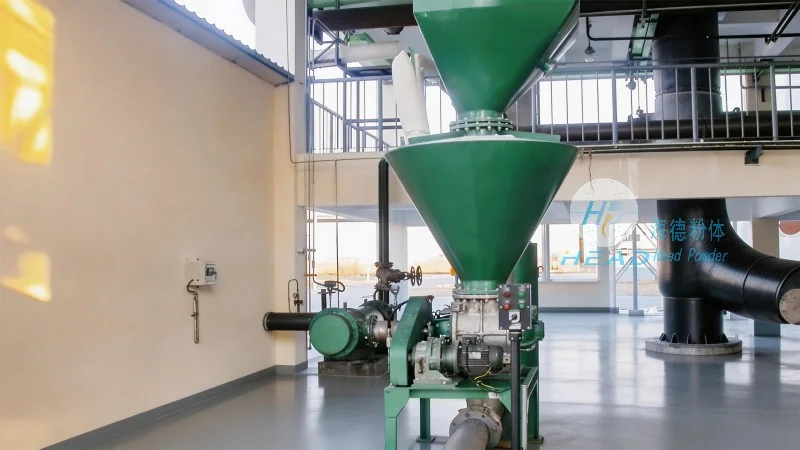
Pneumatic conveying is a method of transporting bulk materials through a pipeline using a stream of air or gas. In the context of aluminum batteries, this technology is crucial for moving raw materials, intermediate products, and finished components with precision and minimal contamination. The core principle involves creating a pressure differential between the inlet and outlet of the conveying system, which propels the material along the pipeline. This process can be categorized into two main types: pressure and vacuum systems. Pressure systems use compressed air to push material forward, while vacuum systems create a negative pressure to draw material into the pipeline. Both methods are designed to handle the specific characteristics of aluminum battery components, such as fine powders, granules, and metallic particles, ensuring consistent flow and minimal degradation of the material.
Key Working Scene Characteristics of Pneumatic Conveying in Aluminum Battery Production
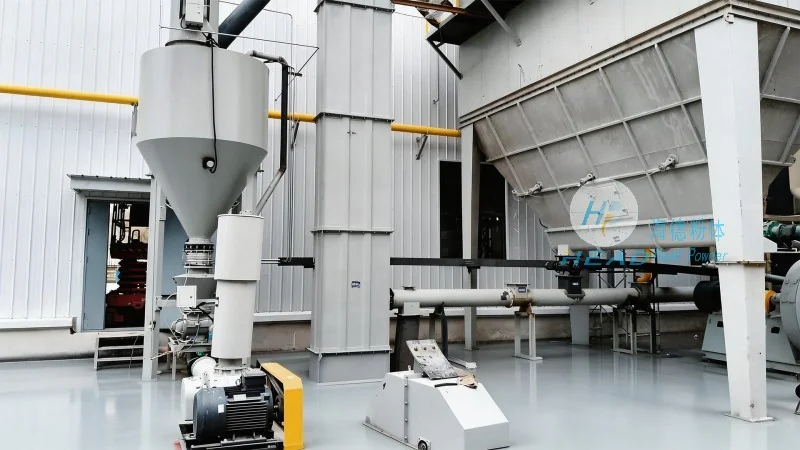
When applied to aluminum battery manufacturing, pneumatic conveying systems exhibit several distinct characteristics that enhance operational efficiency and product quality. Firstly, the system's ability to handle fine powders and granules is critical, as aluminum battery components often involve materials like aluminum powder, electrolytes, and conductive additives. The gentle handling of these materials prevents agglomeration and maintains particle integrity, which is essential for battery performance. Secondly, the system's flexibility in terms of layout and integration with existing production lines is a significant advantage. Pneumatic conveying can be easily adapted to various production environments, including cleanrooms and high-precision manufacturing areas, where contamination control is paramount. This adaptability allows manufacturers to optimize their production flow without major structural changes. Thirdly, the system's energy efficiency and low maintenance requirements contribute to cost-effectiveness. Unlike mechanical conveyors, which require regular lubrication and part replacement, pneumatic systems operate with compressed air, reducing long-term operational costs. Additionally, the system's ability to handle both dry and wet materials (with appropriate modifications) provides versatility in aluminum battery production, where different stages may involve handling various material states. Finally, the system's scalability allows it to accommodate varying production volumes, from small-scale laboratory testing to large-scale industrial manufacturing. This scalability ensures that the system can grow with the manufacturer's needs, providing a long-term solution for aluminum battery production.
Application Scenarios in Aluminum Battery Manufacturing
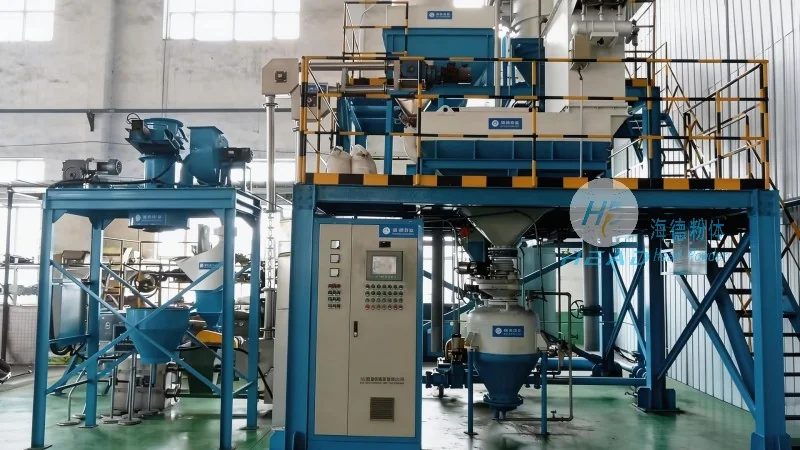
HeadPowder's pneumatic conveying solutions are widely used in various stages of aluminum battery production, from raw material handling to final product packaging. In the raw material stage, the system efficiently transports aluminum powder, carbon black, and other additives from storage silos to mixing equipment. The precise control of material flow ensures consistent mixing ratios, which is critical for achieving the desired battery performance. During the cell assembly stage, pneumatic conveying is used to transport electrode materials and separators to the assembly lines. The system's ability to handle fine powders with minimal dust generation helps maintain a clean production environment, reducing the risk of contamination in the battery cells. In the final packaging stage, the system can transport finished aluminum batteries from the assembly lines to packaging machines, ensuring smooth and efficient transfer. The system's adaptability to different production stages makes it a versatile solution for aluminum battery manufacturers.
Conclusion
HeadPowder Engineering Co., Ltd., based in Shandong, China, offers advanced pneumatic conveying systems that leverage the principles of material handling to enhance aluminum battery production. By understanding the fundamental principles and working scene characteristics of pneumatic conveying, manufacturers can optimize their production processes, improve product quality, and reduce operational costs. The flexibility, efficiency, and scalability of these systems make them an ideal choice for modern aluminum battery production, supporting the growing demand for high-performance battery technologies.




