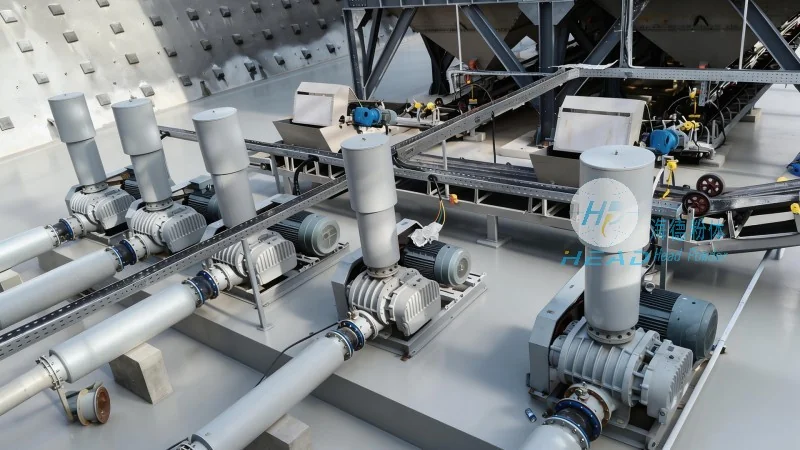
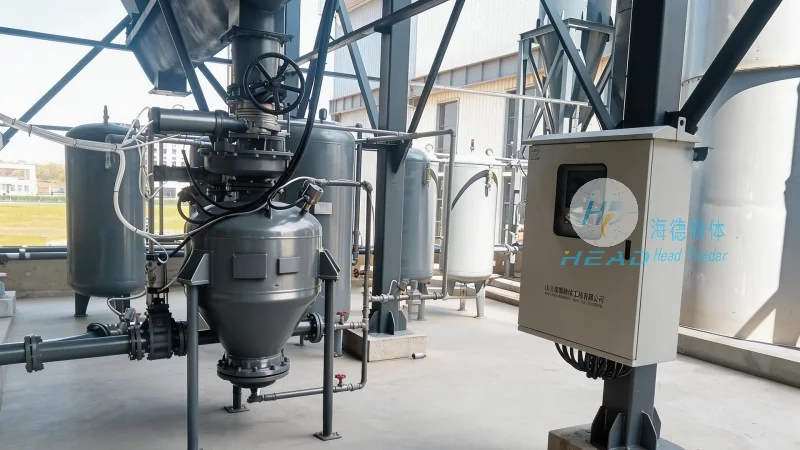
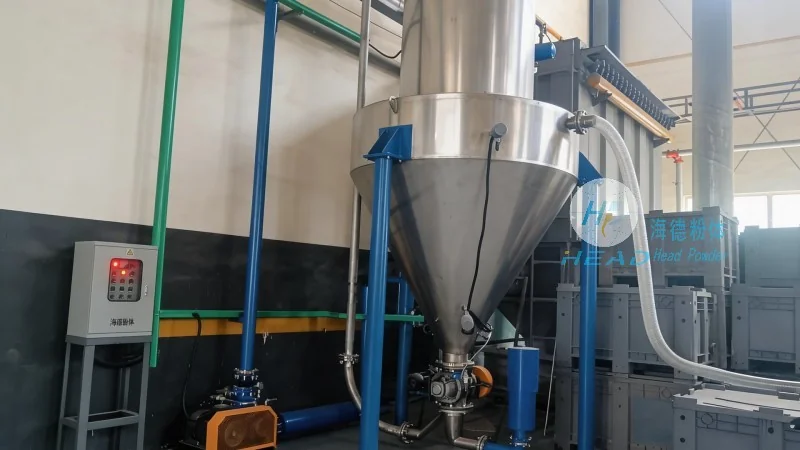
Coking coal, a vital component in the steel manufacturing process, demands efficient and reliable transportation to maintain seamless production workflows. Pneumatic conveying systems have become the preferred method for handling coking coal due to their ability to transport bulk materials over extended distances with minimal operational costs and maintenance requirements. The fundamental working principle of these systems revolves around the utilization of compressed air or gas to move coal particles through a pipeline network. As compressed air is introduced into the conveying line, it creates a pressure differential that propels the coal particles forward. The system typically comprises several key components: a hopper for material storage, a rotary airlock feeder to regulate the flow of coal into the pipeline, a conveying pipeline itself, and a receiver to collect the transported coal. The hopper stores the coking coal, while the rotary airlock feeder acts as a gate, preventing backflow and ensuring a consistent feed rate. Compressed air is then supplied to the pipeline, where it mixes with the coal particles, forming a slurry-like mixture that is carried to the receiver. The receiver collects the coal and allows the air to be separated and recycled back into the system, creating a closed-loop operation that minimizes air consumption and reduces environmental impact. The conveying speed and distance are influenced by factors such as air pressure, pipeline diameter, and the physical properties of the coking coal—including particle size, moisture content, and density. Proper design and regular maintenance of these components are crucial to prevent blockages, wear, and tear, ensuring the system operates at peak efficiency.
Key Features of Coking Coal Pneumatic Conveying Systems
HeadPowder, a prominent manufacturer of industrial conveying solutions, offers advanced coking coal pneumatic conveying systems that blend efficiency, durability, and adaptability. The key features of these systems include: High Efficiency and Reliability. The systems are engineered to handle substantial volumes of coking coal with minimal downtime, ensuring a consistent supply to production facilities. High-quality materials, such as stainless steel and corrosion-resistant alloys, enhance the longevity of the equipment and reduce maintenance needs. Low Maintenance and Operational Costs. Unlike traditional mechanical conveyors, pneumatic systems have fewer moving parts, leading to lower maintenance expenses and extended service intervals. The closed-loop air system also reduces energy consumption by recycling air, making the operation cost-effective. Flexibility and Scalability. The systems can be customized to accommodate various conveying distances, from short to long runs, and can be integrated seamlessly with existing production lines. The modular design allows for easy expansion or modification as production demands evolve. Environmental Friendliness. The enclosed system prevents dust emissions and minimizes environmental contamination. The air is filtered and recycled, reducing the carbon footprint of the operation. Advanced Safety and Control. Integrated control systems monitor flow rate, pressure, and temperature in real time, providing automated adjustments to maintain optimal performance. Safety features, such as emergency shut-off valves and pressure relief devices, protect operators and equipment from potential hazards. These systems comply with industry standards and regulations, ensuring safe and legal operation. These features make coking coal pneumatic conveying systems an ideal choice for modern steel plants, delivering a reliable and efficient solution for material handling.
Application and Benefits in Industrial Settings
Coking coal pneumatic conveying systems are extensively used in the steel industry, particularly in coking plants where large quantities of coal are required for the coking process. They are also applicable in other sectors handling bulk materials, such as mining, power generation, and chemical processing. The benefits of employing these systems in industrial settings include: Improved Production Efficiency. By eliminating manual handling and reducing material handling time, the systems increase overall production rates and lower labor costs. Reduced Downtime. The reliable operation minimizes unexpected stops, ensuring continuous production and meeting delivery schedules. Enhanced Safety. The enclosed system prevents dust inhalation and reduces the risk of accidents associated with manual bulk material handling. Cost Savings. The low maintenance and energy-efficient design result in long-term cost savings, making the investment in the system worthwhile. Environmental Compliance. The systems meet environmental regulations by controlling dust emissions and reducing waste. HeadPowder's coking coal pneumatic conveying systems are designed to meet these requirements, providing a sustainable solution for industrial operations. The company, based in Shandong, China, has installed these systems in numerous steel plants across the region, leveraging its expertise in engineering and manufacturing to tailor solutions to each client's specific needs, delivering optimal performance and value.




