HeadPowder, a leading manufacturer based in Shandong, China, specializes in the design and production of advanced synthetic fiber material handling equipment. This article delves into the core principles of such equipment and highlights the key characteristics of their operational environments.
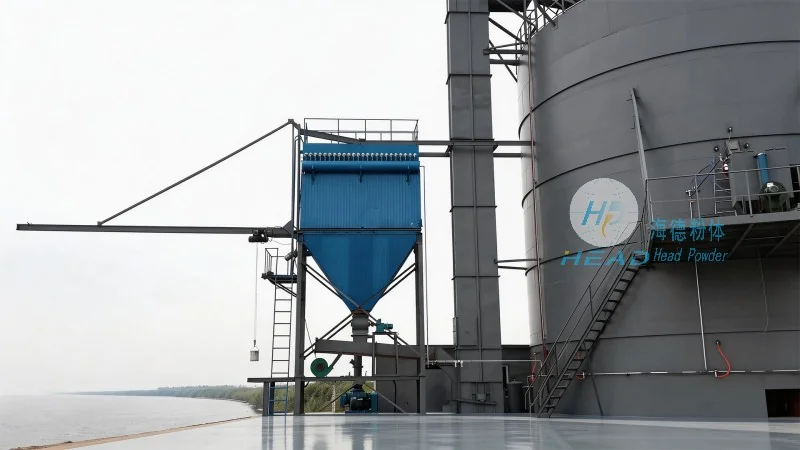
Company Profile and Background
Shandong HeadPowder Engineering Co., Ltd., commonly known as HeadPowder, is a reputable enterprise dedicated to providing high-quality material handling solutions for the synthetic fiber industry. With a strong presence in Shandong, China, the company leverages its expertise to develop innovative equipment tailored to the unique demands of fiber processing and transportation. HeadPowder's commitment to precision engineering ensures that their products meet the rigorous standards required in modern fiber manufacturing processes.
The Fundamental Principles of Synthetic Fiber Material Handling Equipment
Synthetic fiber material handling equipment operates on several fundamental principles that ensure efficient and safe material transport. The primary goal is to move bulk synthetic fibers from one location to another within a production facility or between different stages of processing. These principles include mechanical force application, material flow control, and system integration with other processing equipment. The equipment typically uses conveyor systems, such as belt conveyors, screw conveyors, or pneumatic conveyors, to achieve the desired material movement. Each type of conveyor is selected based on the specific properties of the synthetic fibers, including their density, moisture content, and particle size. For example, belt conveyors are commonly used for transporting loose fibers due to their ability to handle a wide range of materials without causing damage. Screw conveyors, on the other hand, are ideal for transporting fibrous materials that are more cohesive or require a more controlled flow. Pneumatic conveyors utilize air pressure to move fibers through a pipeline, offering a flexible and dust-free solution for certain applications.
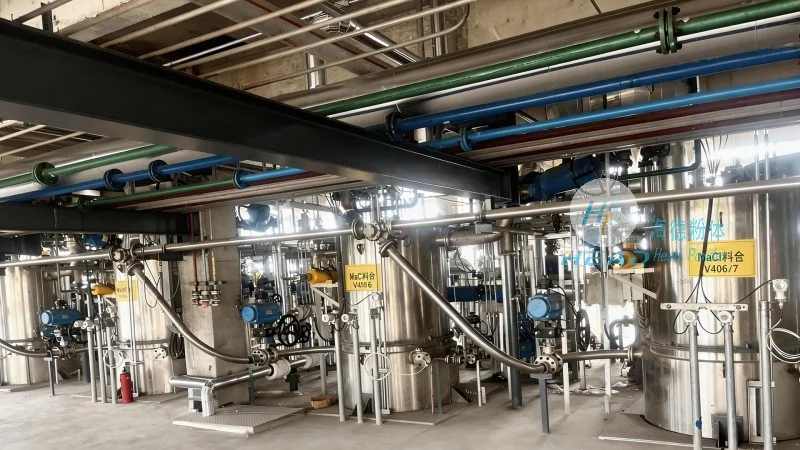
Key Working Scene Characteristics of Synthetic Fiber Material Handling Equipment
The operational environments where synthetic fiber material handling equipment is used present distinct characteristics that influence equipment design and performance. These characteristics include high-volume material throughput, the need for minimal material degradation, and the requirement for consistent flow rates. In fiber processing plants, the equipment must handle large quantities of raw or processed fibers, often at high speeds to meet production demands. This necessitates robust construction and reliable components that can withstand continuous operation without failure. Additionally, synthetic fibers are sensitive to mechanical stress and can be easily damaged if not handled properly. Therefore, equipment design incorporates features like gentle handling mechanisms, adjustable speed controls, and protective enclosures to prevent fiber breakage or contamination. Another critical characteristic is the need for consistent material flow, as fluctuations can disrupt downstream processing steps. Advanced control systems, such as variable frequency drives and sensors, are integrated into the equipment to monitor and regulate flow rates, ensuring stable operation. Environmental factors, such as temperature and humidity, also play a role in the working scene. Synthetic fibers can be affected by moisture, which can lead to clumping or degradation. Thus, equipment is often equipped with drying or moisture control features to maintain optimal material conditions. Furthermore, the working environment may involve dust generation, requiring dust suppression systems to ensure safety and compliance with environmental regulations. The combination of these characteristics makes the design and operation of synthetic fiber material handling equipment a complex but essential aspect of modern fiber manufacturing.
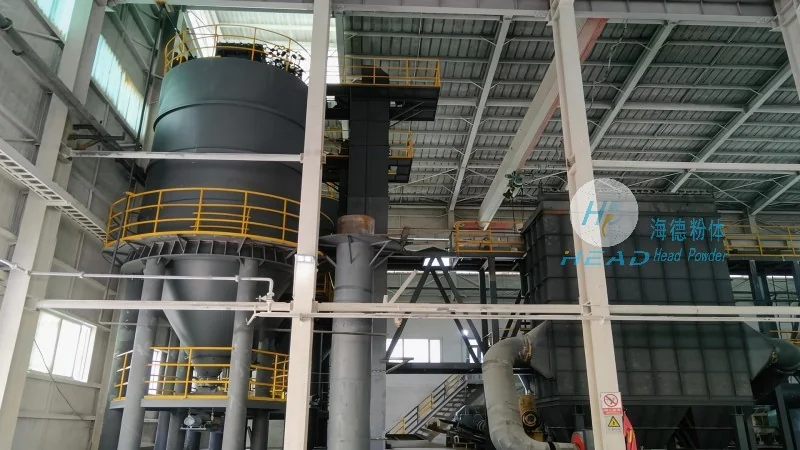
Application Examples and Industry Relevance
HeadPowder's synthetic fiber material handling equipment is widely used in various applications within the synthetic fiber industry. For instance, in the production of polyester or nylon fibers, the equipment is crucial for transporting raw polymer pellets to extrusion machines and then moving the extruded fibers to spinning or drawing units. The equipment ensures a continuous supply of material, which is vital for maintaining production efficiency. In the context of recycled fiber processing, the equipment handles reclaimed fibers, separating them from contaminants and preparing them for reprocessing. This application highlights the importance of equipment that can handle mixed or contaminated materials without compromising quality. Additionally, in the textile manufacturing sector, synthetic fiber material handling equipment is used to transport yarns or fabrics between different stages of production, such as weaving or finishing. The equipment's ability to handle different fiber types and maintain consistent flow rates makes it indispensable in these processes. By addressing the specific challenges of each application, HeadPowder's equipment enhances productivity and reduces operational costs for its clients.
Conclusion and Future Outlook
In conclusion, synthetic fiber material handling equipment, as exemplified by the solutions from Shandong HeadPowder Engineering Co., Ltd., operates based on fundamental principles and is tailored to the unique characteristics of working environments in the synthetic fiber industry. The equipment's design and functionality are critical to ensuring efficient material transport, minimizing damage to fibers, and maintaining consistent production flow. As the synthetic fiber industry continues to evolve, the demand for advanced material handling solutions will remain high. HeadPowder's commitment to innovation and quality ensures that it will continue to provide cutting-edge equipment that meets the evolving needs of its customers. The principles and characteristics discussed in this article underscore the importance of specialized equipment in optimizing fiber processing and enhancing overall operational efficiency.




