Shandong HeadPowder Engineering Co., Ltd., commonly known as HeadPowder, is a professional manufacturer and supplier based in Shandong, China. The company specializes in the design, development, and production of foam pneumatic conveying systems, which are widely used in various industrial applications for efficient material handling. This article aims to provide a detailed explanation of the working principle and key features of foam pneumatic conveying equipment, highlighting its advantages and practical applications.
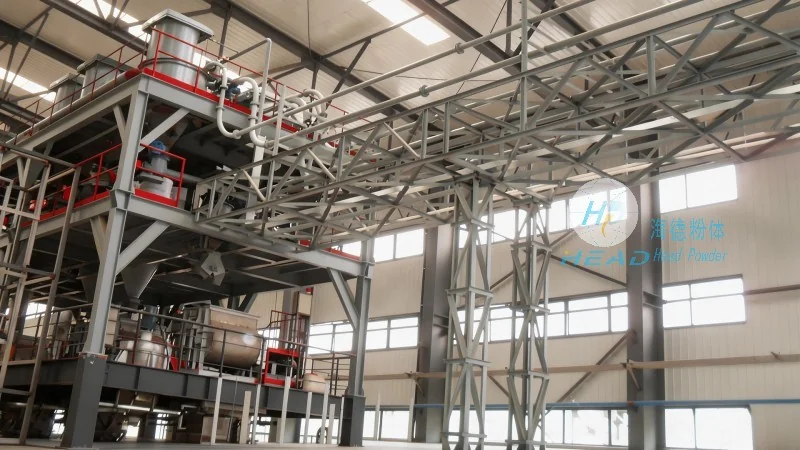
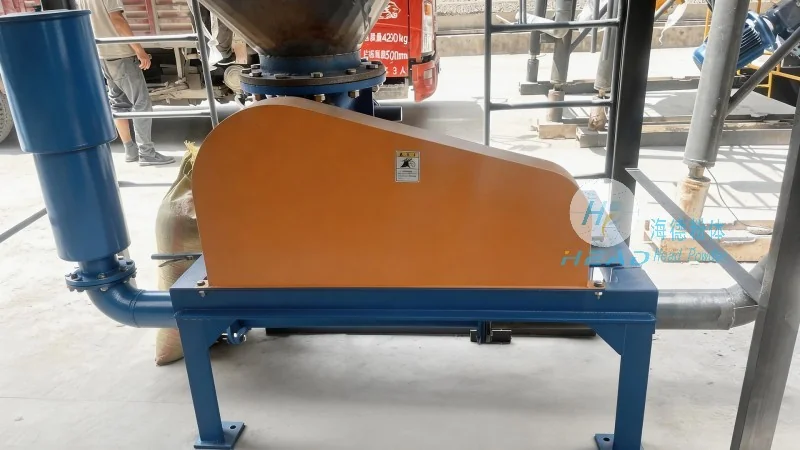
Working Principle of Foam Pneumatic Conveying Systems
The foam pneumatic conveying system operates by generating a mixture of air and liquid, commonly referred to as foam, which is then used to transport bulk materials through a pipeline. The process begins with a foam generator that mixes air and a liquid (usually water or a specialized solution) to create a stable foam. This foam, characterized by its low density and high surface tension, is then introduced into the conveying line along with the material to be transported. As the foam flows through the pipeline, it entrains the particles, lifting and transporting them to the destination. Upon reaching the discharge point, the foam and material separate, with the material being collected and the foam either recycled or discharged. The entire system relies on the physical properties of foam to provide a gentle yet effective method of material transport, minimizing particle breakage and dust generation.
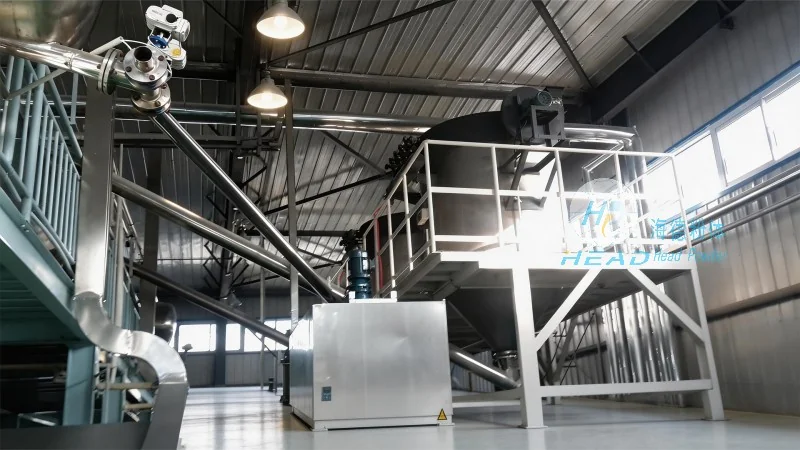
Key Features of Foam Pneumatic Conveying Equipment
HeadPowder's foam pneumatic conveying systems are designed with several distinct features that make them suitable for a wide range of industrial needs. One of the primary advantages is the high efficiency in material transport, as the foam effectively carries particles over long distances with minimal energy consumption. The system is particularly effective for handling fine powders and granular materials, where traditional pneumatic conveying methods may suffer from high pressure drops or particle degradation. Another notable feature is the low wear and tear on equipment components, as the foam acts as a cushioning medium that reduces friction and impact on the pipeline and valves. This results in lower maintenance costs and longer service life for the conveying system. Additionally, the technology is environmentally friendly, as it reduces dust emissions compared to dry pneumatic conveying, contributing to better air quality in industrial settings. The equipment is also designed for easy operation and maintenance, with user-friendly controls and accessible components that simplify routine checks and repairs. Furthermore, the system can be adapted to various operational conditions, including different material types, conveying distances, and environmental requirements, making it a versatile solution for diverse industrial applications.
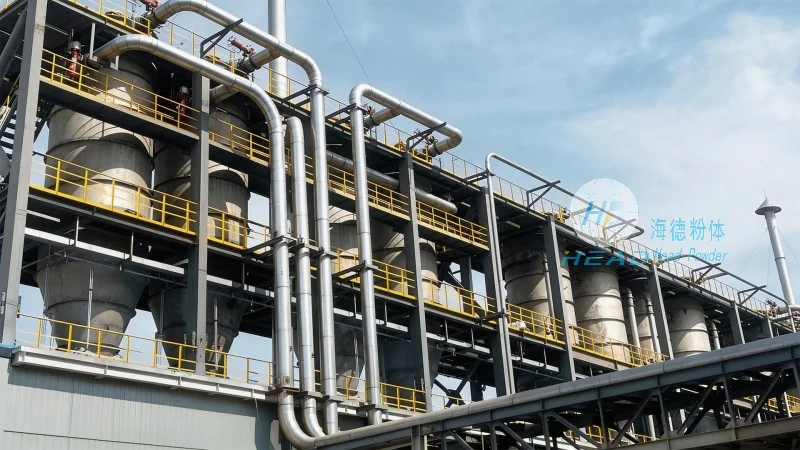
Advantages in Practical Applications
When implemented in real-world scenarios, foam pneumatic conveying systems offer significant benefits to industries such as pharmaceuticals, food processing, and chemical manufacturing. For example, in the pharmaceutical industry, the gentle transport of powders ensures product integrity and compliance with stringent quality standards. In food processing, the system maintains the freshness and hygiene of ingredients while minimizing contamination risks. The ability to handle sensitive materials without causing degradation or cross-contamination is a key advantage. Similarly, in the chemical sector, the system can transport hazardous powders safely, reducing the risk of dust explosions and improving workplace safety. The long-distance conveying capability of the system also enables efficient material transfer between different production stages or facilities, optimizing workflow and reducing operational costs. Overall, the combination of efficiency, gentleness, and environmental friendliness makes foam pneumatic conveying a preferred choice for industries that require reliable and sustainable material handling solutions.




