For industries dealing with copper sulfate, efficient and reliable handling of the powder is crucial. A copper sulfate powder handling system is a specialized setup designed to manage the storage, transfer, and distribution of copper sulfate powder. This system is essential for ensuring smooth operations in applications such as chemical manufacturing, agricultural use, and water treatment. The design of such a system must consider factors like material properties, safety, and operational efficiency to meet the demands of modern industrial processes. Shandong HeadPowder Engineering Co., Ltd., a leading manufacturer based in China, specializes in developing and supplying high-quality copper sulfate powder handling systems tailored to meet the specific needs of various industries.
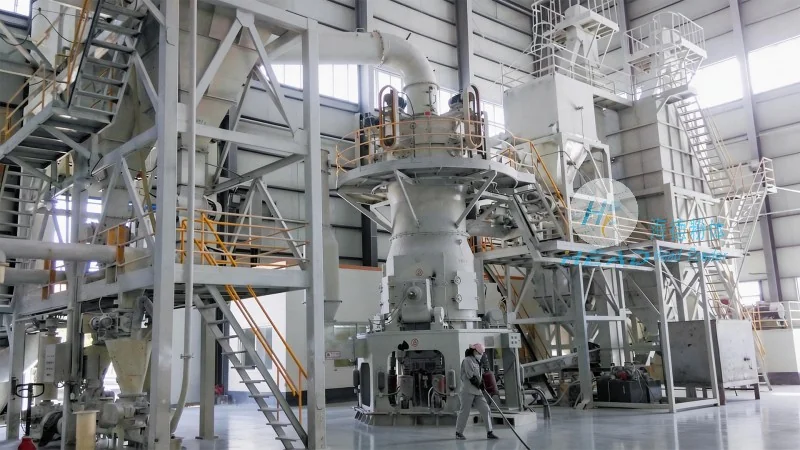
Key Components of a Copper Sulfate Powder Handling System
The core components of a copper sulfate powder handling system typically include storage silos, conveyor systems, feeding mechanisms, and control units. Each component plays a vital role in the overall functionality of the system. Storage silos are used to store large quantities of copper sulfate powder, ensuring a steady supply. Conveyor systems, often equipped with pneumatic or mechanical designs, facilitate the movement of the powder from storage to processing areas. Feeding mechanisms, like rotary valves or screw conveyors, regulate the flow of powder to downstream equipment. Control units manage the entire operation, ensuring safety and optimizing performance. The choice of components depends on the specific requirements of the application, such as the volume of powder to be handled, the distance of transfer, and the desired level of automation.
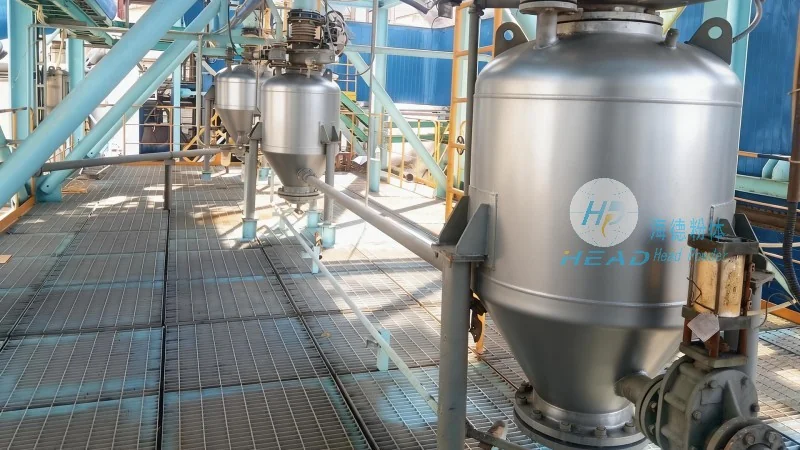
Design Principles for Copper Sulfate Powder Handling Systems
The design of a copper sulfate powder handling system follows several key principles to ensure effectiveness and safety. First, material compatibility is critical. The system components must be resistant to corrosion and chemical reactions with copper sulfate, as the powder can be corrosive. Stainless steel or specialized coatings are often used for equipment to prevent degradation. Second, dust control is essential. Copper sulfate powder is fine and can create airborne dust, which poses health and safety risks. The system incorporates dust collection and suppression systems to maintain a safe working environment. This includes features like baghouse filters or cyclone separators that capture and remove dust particles. Third, flow control is vital. Proper design ensures consistent and controlled flow of the powder, preventing blockages and ensuring uniform processing. This involves using appropriate hopper designs and feeding mechanisms that minimize material bridging and segregation. For example, cone-shaped hoppers with smooth surfaces help prevent powder from sticking and forming clumps.
Operational Considerations and Safety Measures
Operational considerations and safety measures are integral to the design and use of a copper sulfate powder handling system. Regular maintenance is required to ensure the system operates efficiently and safely. This includes checking for wear and tear on components, cleaning the system to prevent buildup, and inspecting for any signs of corrosion. Maintenance schedules are typically established based on the system's usage and the type of powder being handled. Safety measures include the use of explosion-proof equipment in areas where dust accumulation is possible, as copper sulfate dust can be combustible under certain conditions. This is particularly important in enclosed spaces or areas with potential ignition sources. Personal protective equipment (PPE) such as respirators and gloves is also recommended for operators handling the powder to protect against inhalation and skin contact. Additionally, proper ventilation systems are installed to remove any airborne particles and maintain air quality, ensuring a safe working environment for all personnel.
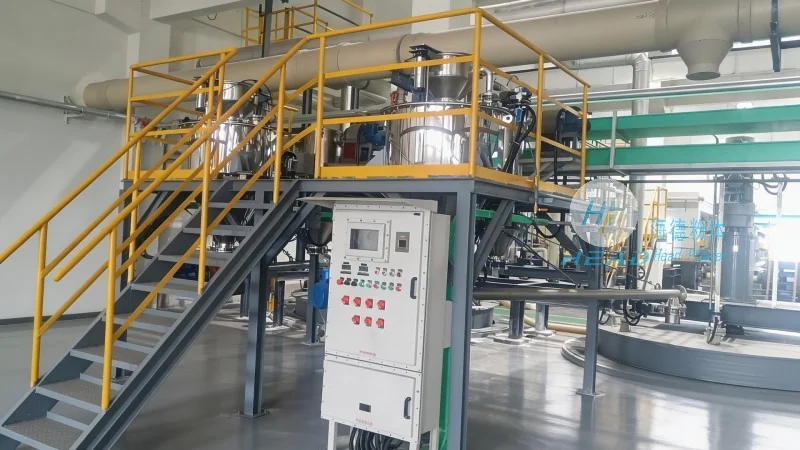
Applications and Benefits of Copper Sulfate Powder Handling Systems
Copper sulfate powder handling systems are widely used in various industries due to their versatility and efficiency. In chemical manufacturing, they facilitate the production of copper sulfate products for industrial applications, such as in the production of copper compounds or as a raw material in other chemical processes. In agriculture, the system ensures the accurate and safe application of copper sulfate as a fungicide or nutrient supplement for crops. This is crucial for controlling plant diseases and providing essential nutrients to soil. In water treatment, the system aids in the treatment of water by providing a controlled supply of copper sulfate for disinfection or pH adjustment. Copper sulfate is used to kill algae and control microbial growth in water treatment facilities. The benefits of these systems include improved productivity, reduced labor costs, and enhanced safety through automated processes. By streamlining the handling of copper sulfate powder, these systems contribute to the overall efficiency and reliability of industrial operations. They also help minimize material loss and contamination, ensuring that the copper sulfate is used effectively and safely in its intended applications.




