

Working Principle and Features of a Manganese Sulfate Pneumatic Conveying Machine
For industrial applications involving the handling of manganese sulfate, the pneumatic conveying machine is a critical piece of equipment. This equipment is designed to transport the material efficiently and safely, often in environments where traditional mechanical conveyors may not be suitable. The following sections will explore the working principle and key features of a manganese sulfate pneumatic conveying machine, providing insights into its functionality and benefits.
Working Principle of Manganese Sulfate Pneumatic Conveying Machine
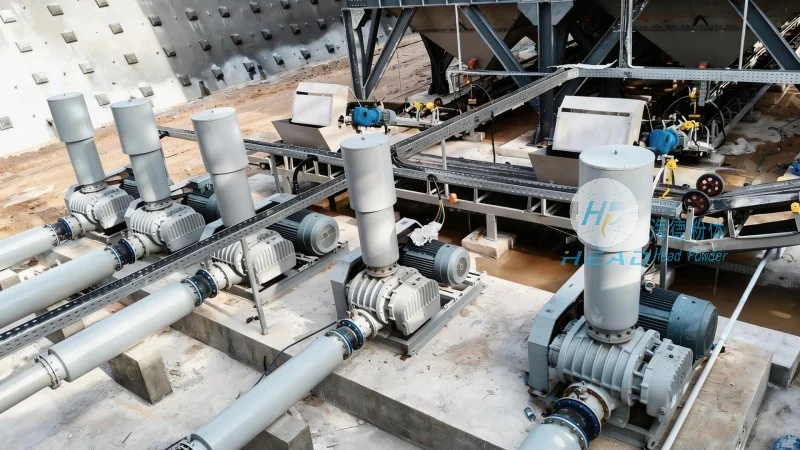
The operation of a manganese sulfate pneumatic conveying machine is based on the fundamental principle of air movement to transport particulate materials. There are two primary modes of operation: suction (or vacuum) and pressure (or positive) conveying. In suction conveying, a vacuum is created at the material loading point, drawing the manganese sulfate particles into the conveying line. The material is then carried by the air flow to the discharge point. Conversely, in pressure conveying, compressed air is used to push the material through the pipeline. Both methods rely on the interaction between the air and the particles to achieve movement. The machine typically consists of a hopper, a conveyor line, a fan or blower, and a discharge valve. The hopper holds the manganese sulfate, and as air is introduced, it lifts the particles and propels them through the pipeline. The speed and pressure of the air are carefully controlled to ensure optimal transport without damaging the material or causing excessive wear on the equipment.
Key Features of Manganese Sulfate Pneumatic Conveying Machine
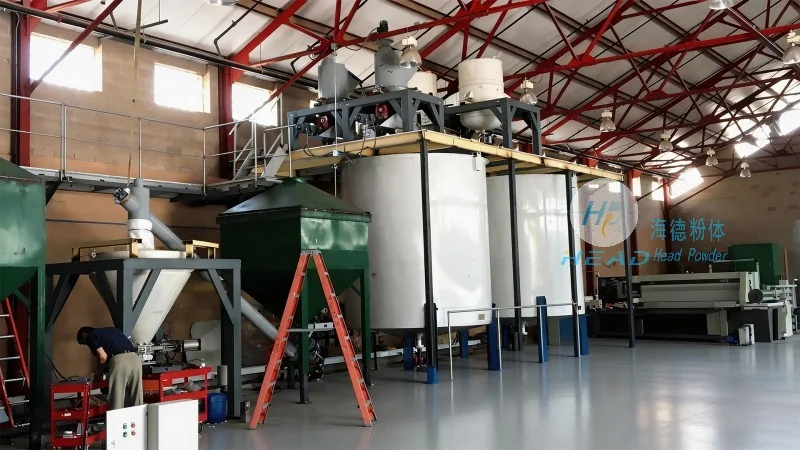
Several distinct features make the manganese sulfate pneumatic conveying machine an ideal choice for handling this chemical. Firstly, it offers a high degree of efficiency in material transport, capable of moving large volumes of manganese sulfate over considerable distances with minimal energy consumption. The machine is also designed for low maintenance, as it has fewer moving parts compared to traditional mechanical conveyors, reducing the risk of breakdowns and the associated downtime. Another significant feature is its ability to handle abrasive materials like manganese sulfate without causing excessive wear on the system components. The system is equipped with specialized liners and wear-resistant materials in critical areas to extend the lifespan of the equipment. Additionally, the pneumatic conveying machine provides a clean and dust-free operation, which is crucial for maintaining a safe working environment, especially when dealing with chemicals that may pose health risks if inhaled. The machine can be integrated with other processing equipment, such as reactors or storage tanks, allowing for a seamless flow of materials within the production process. This integration enhances overall operational efficiency and reduces the need for manual handling, which can be hazardous when dealing with bulk chemicals.
Application and Advantages in Industrial Settings
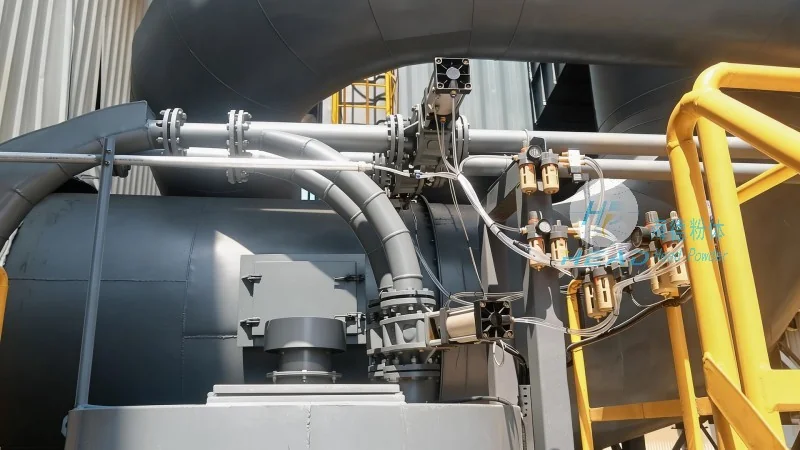
In industrial settings, the manganese sulfate pneumatic conveying machine is widely used in various processes, including chemical manufacturing, mining, and material processing. Its ability to handle fine powders and granules makes it particularly suitable for applications where precision and control are essential. The machine's design allows for the transport of manganese sulfate in a controlled manner, ensuring that the material reaches its destination without segregation or degradation. The advantages of using this equipment extend beyond efficiency and safety; it also contributes to cost savings by reducing labor costs associated with manual handling and minimizing material loss during transport. The machine's compact design makes it suitable for installation in confined spaces, which is often a requirement in modern industrial facilities. Furthermore, the system can be customized to meet specific operational needs, such as varying the conveying distance or adjusting the flow rate to match production requirements. This flexibility makes the manganese sulfate pneumatic conveying machine a versatile solution for a wide range of industrial applications.
Conclusion and Company Information
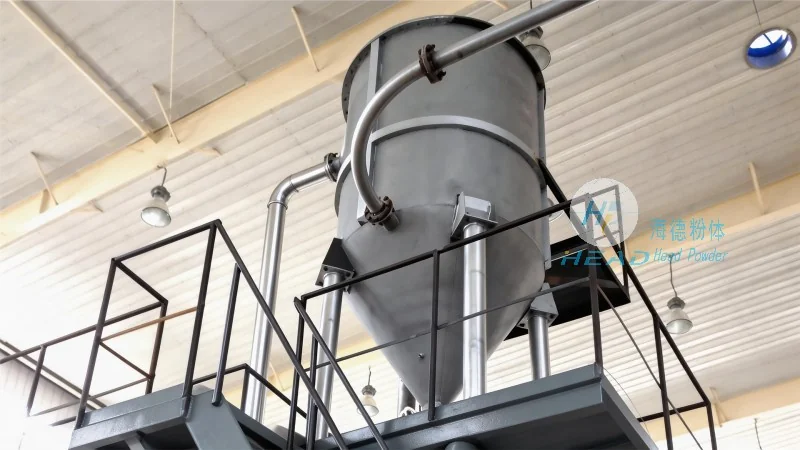
Overall, the manganese sulfate pneumatic conveying machine is a highly effective and reliable solution for transporting manganese sulfate in industrial environments. Its working principle, based on air movement, provides a safe and efficient method of material handling, while its key features, including low maintenance, abrasion resistance, and dust-free operation, enhance its practicality. The machine's application in various industries highlights its adaptability and importance in modern production processes. As a leading manufacturer in this field, Shandong HeadPowder Engineering Co., Ltd. specializes in providing high-quality pneumatic conveying solutions tailored to the specific needs of clients. With a focus on innovation and customer satisfaction, the company ensures that its equipment meets the highest standards of performance and safety. Based in Shandong, China, HeadPowder Engineering Co., Ltd. leverages its expertise to deliver robust and efficient pneumatic conveying machines that contribute to the success of industrial operations worldwide.