

[W]Working Principle and Features of Hydrogen Chloride Pneumatic Conveying Equipment
Hydrogen chloride (HCl) is a highly corrosive and hazardous gas commonly used in chemical manufacturing processes. The safe and efficient transportation of HCl gas from production sites to storage or processing units is critical for industrial operations. Pneumatic conveying systems, particularly those designed for handling HCl, offer a reliable solution to manage this challenging material. This article explores the working principle and key features of hydrogen chloride pneumatic conveying equipment, highlighting its importance in industrial applications.
Working Principle of Hydrogen Chloride Pneumatic Conveying Systems
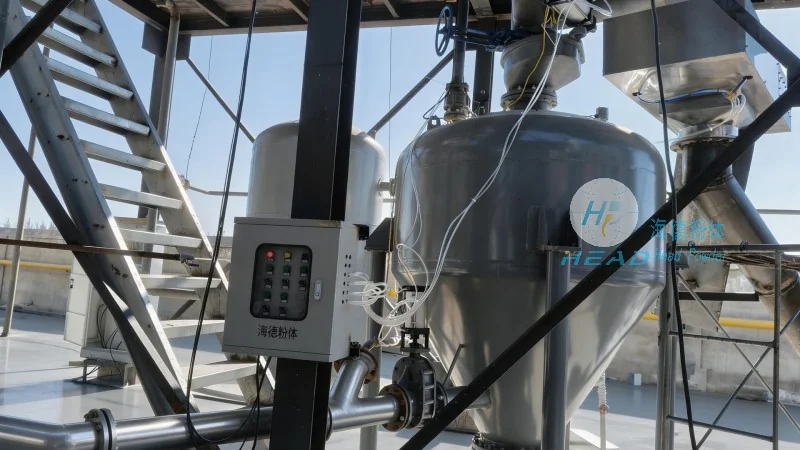
The core mechanism of hydrogen chloride pneumatic conveying involves the use of compressed air or gas to transport the HCl gas through a pipeline network. The system typically consists of a gas source, a feed hopper, a conveying line, and a receiver. The process begins with the HCl gas being drawn from the source and introduced into the conveying line. Compressed air is then injected into the line, creating a high-velocity gas stream that entrains the HCl gas particles. This gas stream propels the HCl through the pipeline to the destination point. The system may employ either positive or negative pressure, depending on the specific requirements of the application. Positive pressure systems push the gas forward using compressed air, while negative pressure systems create a vacuum to pull the gas through the line. The design of the conveying line, including the diameter, length, and bends, is crucial for maintaining the efficiency and stability of the HCl transport. Properly sized and configured lines minimize pressure drop and prevent the buildup of gas or material in the system.
Key Features of Hydrogen Chloride Pneumatic Conveying Equipment
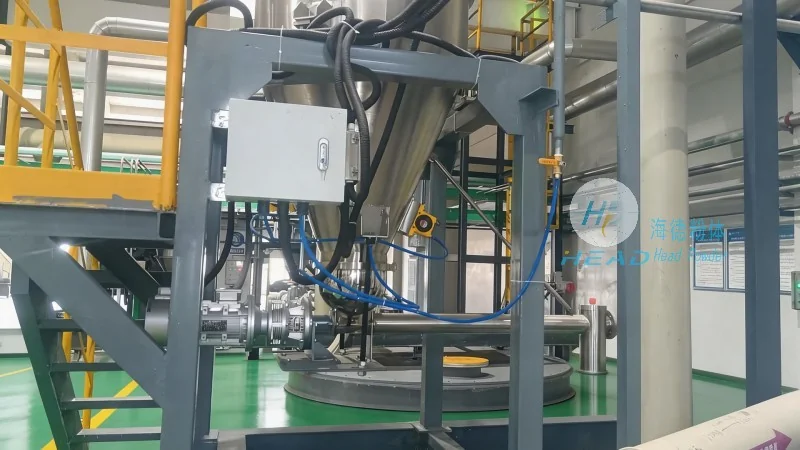
Hydrogen chloride pneumatic conveying equipment is engineered with several distinctive features to address the unique challenges of handling this corrosive gas. First, the materials used in the construction of the system components are critical. Components such as hoppers, pipelines, and valves are typically made from corrosion-resistant materials like stainless steel, Hastelloy, or specialized alloys to withstand the acidic nature of HCl. This ensures the longevity and safety of the equipment. Second, the system incorporates advanced sealing and isolation mechanisms to prevent gas leaks and maintain the integrity of the HCl stream. Sealing technologies, including mechanical seals and gaskets, are designed to handle the high pressure and corrosive environment. Third, the equipment is equipped with safety features to protect operators and the environment. These may include pressure relief valves, gas detectors, and emergency shutdown systems. Additionally, the system may include monitoring and control devices to regulate the flow rate and pressure, ensuring optimal performance. The design also considers the need for easy maintenance and cleaning, as HCl can cause rapid corrosion if not properly managed.
Technical Specifications and Advantages
Technical specifications of hydrogen chloride pneumatic conveying equipment vary based on the specific application requirements. Key parameters include the conveying capacity, which can range from low to high flow rates depending on the production scale. The system's pressure rating, typically measured in bars or psi, determines its ability to handle the required gas flow. The pipeline diameter and length are also critical factors, as they affect the pressure drop and overall efficiency. Advantages of this technology include its ability to transport HCl gas over long distances without the need for intermediate storage or handling. The system is also relatively compact and can be integrated into existing industrial facilities. Compared to other transportation methods, such as truck or rail transport, pneumatic conveying offers greater control over the HCl flow and reduces the risk of exposure to personnel. The system's ability to handle varying flow rates and pressures makes it adaptable to different production scenarios. Furthermore, the use of corrosion-resistant materials and advanced sealing technologies minimizes maintenance costs and extends the equipment's service life.
Application Scenarios and Operational Benefits
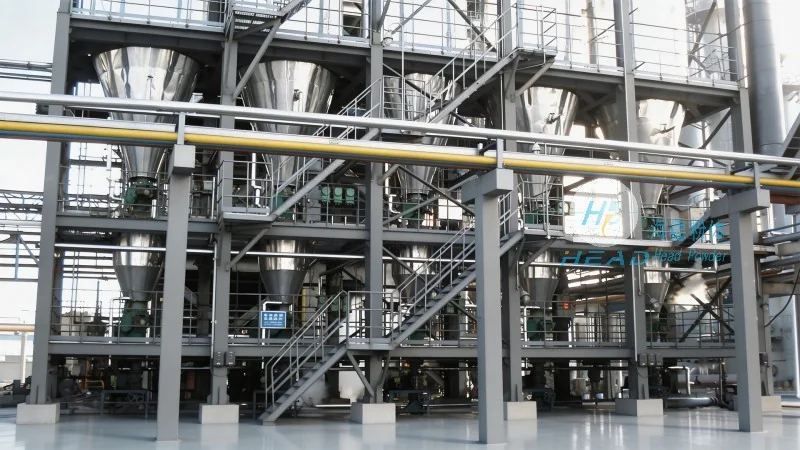
Hydrogen chloride pneumatic conveying equipment is widely used in various industrial sectors where HCl is a key component. Common applications include the production of chlorinated chemicals, such as polyvinyl chloride (PVC), and the manufacturing of pharmaceuticals and agrochemicals. In these processes, the equipment is used to transport HCl from reactors to storage tanks or to other processing units. The operational benefits of using this system include improved safety by reducing direct human contact with the corrosive gas, increased efficiency by minimizing downtime and material loss, and enhanced environmental protection by preventing gas leaks. The system's ability to handle high concentrations of HCl and maintain consistent flow rates ensures stable production processes. Additionally, the compact design of the equipment allows for easy integration into existing plant layouts, reducing the need for extensive modifications. The use of advanced control systems enables precise regulation of the HCl flow, optimizing the overall production efficiency. Overall, hydrogen chloride pneumatic conveying equipment provides a reliable and efficient solution for the transportation of this hazardous gas, contributing to safer and more productive industrial operations.