Phosphorus pentachloride (PCl₅) is a vital chemical compound utilized in pharmaceuticals, agrochemicals, and chemical synthesis. Its efficient and safe handling is crucial due to its reactivity and potential hazards. Pneumatic conveying systems offer a reliable solution for transporting PCl₅, and understanding their working principles and characteristics is essential for optimizing industrial processes. HeadPowder, a leading provider of industrial conveying solutions, specializes in designing and manufacturing PCl₅ pneumatic conveying systems tailored to the unique needs of chemical industries. This article explores the working principle and key characteristics of PCl₅ pneumatic conveying systems, providing insights into their design, operation, and benefits.
Working Principle of Phosphorus Pentachloride Pneumatic Conveying
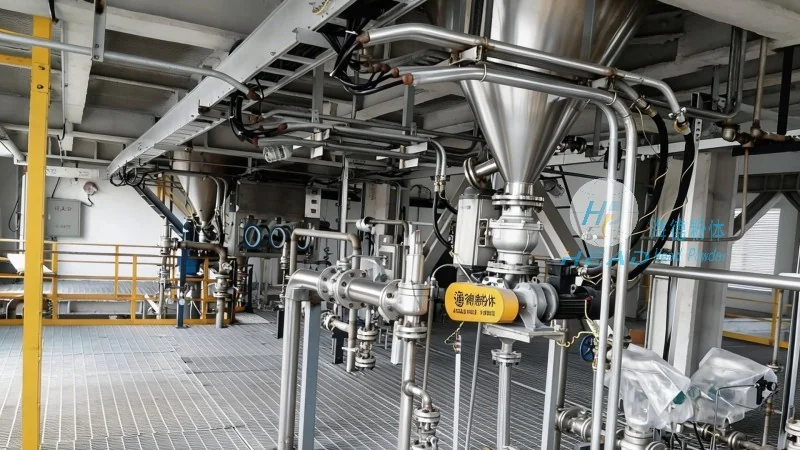
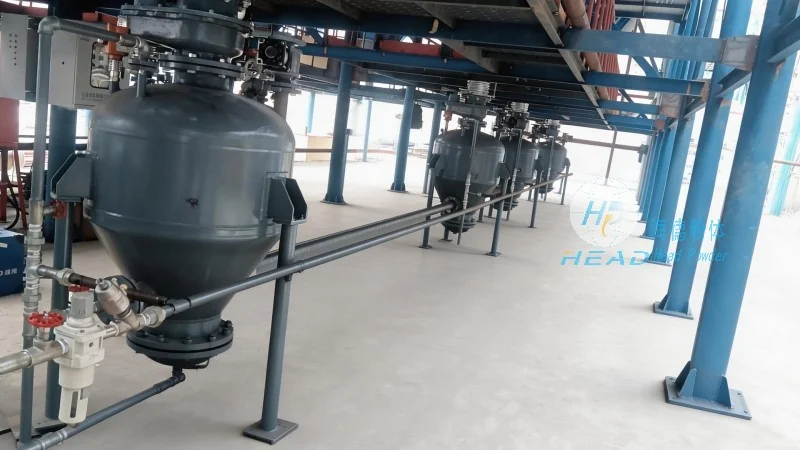
The core of PCl₅ pneumatic conveying systems lies in the use of air or gas to transport the solid material through a pipeline. The process typically involves several key components and steps. First, the PCl₅ is fed into the conveying line, often via a hopper or feeder. Then, a fan or blower generates the necessary airflow, creating a pressure differential that propels the material forward. The conveying medium (air) is introduced at a specific velocity, ensuring that the PCl₅ particles are entrained and transported without clogging or degradation. The system may include features such as cyclones or filters to separate the PCl₅ from the air at the receiving end, allowing for safe and efficient material recovery. The working principle relies on the balance between the air velocity and the particle size, density, and moisture content of the PCl₅, ensuring stable and continuous transport.
Key Characteristics of Phosphorus Pentachloride Pneumatic Conveying Systems
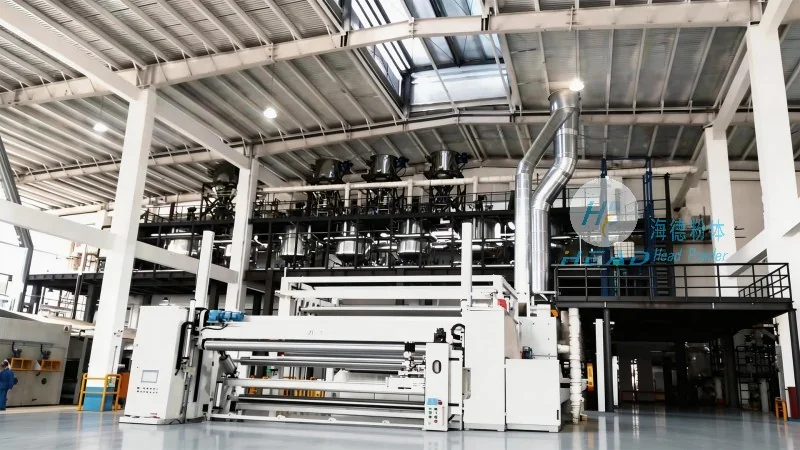
Several distinct characteristics define PCl₅ pneumatic conveying systems, making them suitable for handling this reactive chemical. Firstly, the systems are designed to minimize contact with moisture and air, as PCl₅ is hygroscopic and can decompose when exposed to moisture, releasing corrosive gases. Therefore, the conveying lines are often made of corrosion-resistant materials like stainless steel or specialized polymers to prevent degradation. Secondly, the velocity of the conveying air is carefully controlled to prevent particle degradation or agglomeration. High velocities can cause wear on the system components, while low velocities may lead to clogging. The optimal velocity is determined based on the PCl₅ properties and system design. Thirdly, the system incorporates safety features to handle potential hazards. For instance, explosion-proof fans and dust collection systems are commonly used to mitigate the risk of dust explosions, which is a critical consideration given PCl₅'s reactivity. Additionally, the design ensures minimal pressure drops, reducing energy consumption and maintaining consistent material flow. The characteristics also include flexibility in system configuration, allowing for both positive and negative pressure conveying, depending on the application requirements. This adaptability makes PCl₅ pneumatic conveying systems versatile for various industrial settings.
Applications and Benefits of PCl₅ Pneumatic Conveying
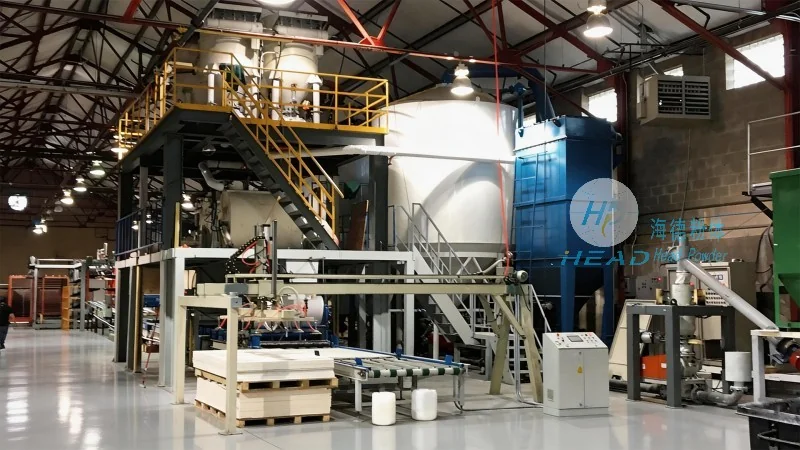
PCl₅ pneumatic conveying systems are widely adopted in industries where the safe and efficient transport of PCl₅ is critical. In pharmaceutical manufacturing, for example, the systems ensure that PCl₅ is handled in a controlled environment, minimizing contamination and ensuring product quality. In agrochemical production, the systems facilitate the transport of PCl₅ to reactors and processing units, enhancing production efficiency. The benefits of these systems extend beyond safety and efficiency. By reducing manual handling, the systems lower the risk of worker exposure to PCl₅, improving workplace safety. Additionally, the automated nature of pneumatic conveying reduces labor costs and increases operational consistency. The systems also contribute to environmental sustainability by minimizing material loss and emissions. Overall, the characteristics and working principles of PCl₅ pneumatic conveying systems make them an essential technology for modern industrial processes.




