

Working Principle and Characteristics of Powder Pneumatic Conveying
For industrial applications requiring the efficient and safe transport of powdered materials, powder pneumatic conveying systems offer a reliable solution. This article explores the fundamental working principles and distinctive characteristics of such systems, highlighting their role in modern material handling processes.
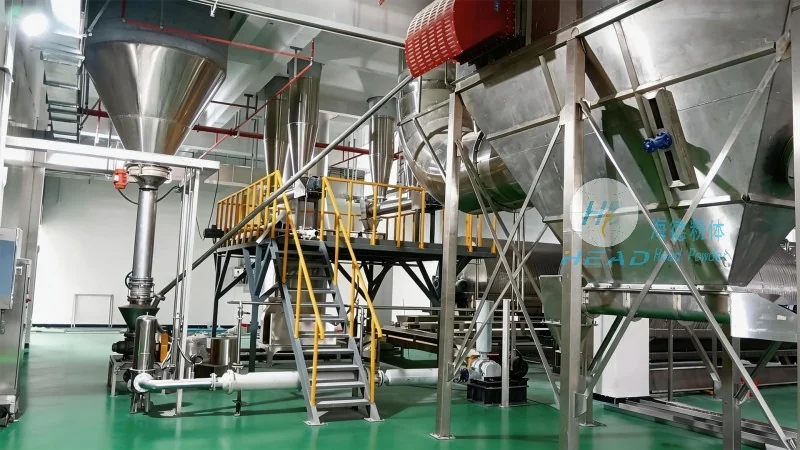
Introduction to Powder Pneumatic Conveying Systems
Powder pneumatic conveying, also known as pneumatic powder transport, is a method of moving dry bulk materials through a pipeline using air or other gases. Unlike mechanical conveying systems that rely on physical components like belts or screws, pneumatic systems utilize air pressure to propel the material. This technology is widely used across various industries, including chemicals, food processing, pharmaceuticals, and manufacturing, due to its ability to handle a wide range of powders and its flexibility in system design.
The Working Principle of Powder Pneumatic Conveying
The core of a powder pneumatic conveying system lies in its air-mixing mechanism. There are two primary types of systems based on the pressure differential: positive pressure and negative pressure (or vacuum) systems. In a positive pressure system, air is blown into the conveying line at a higher pressure than the ambient environment, pushing the powder forward. Conversely, negative pressure systems draw air and powder into a vacuum chamber, where the material is then propelled through the pipeline. The process typically involves a hopper or feeder that feeds the powder into the system, a blower or vacuum pump that generates the air flow, and a series of pipes that transport the material to the destination. The air-powder mixture travels through the pipeline, with the air providing the necessary force to move the particles. At the receiving end, the air and powder are separated, often using cyclones or filters, and the powder is collected in a storage bin or processing unit.
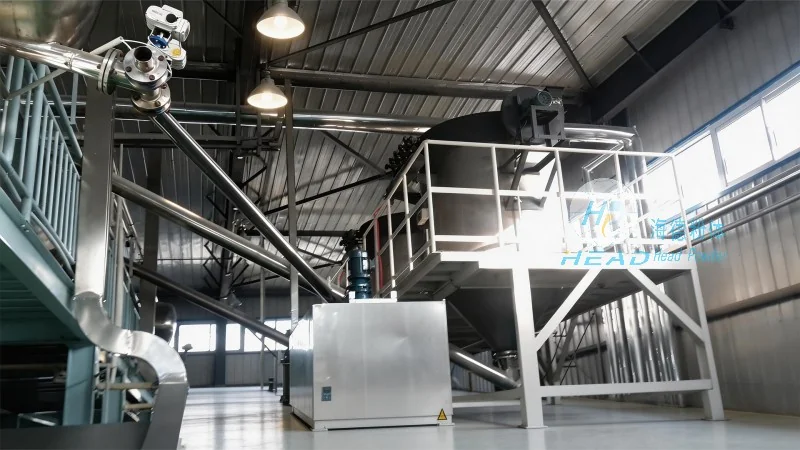
Key Characteristics of Powder Pneumatic Conveying
Several key characteristics define the effectiveness and suitability of powder pneumatic conveying systems. One of the most notable advantages is its high efficiency in material transport. By using air as the medium, the system can move large volumes of powder over long distances with minimal energy consumption compared to other methods like truck or rail transport. Additionally, pneumatic conveying is known for its cleanliness and hygienic operation, making it ideal for industries where contamination control is critical, such as food and pharmaceuticals. The system also offers flexibility in layout, as pipelines can be easily routed around obstacles or integrated into existing facilities without major structural changes. Another characteristic is its ability to handle a wide variety of powder properties, including different particle sizes, densities, and flowabilities, making it adaptable to diverse material handling needs.
Application Scenarios and Industry Usage
Powder pneumatic conveying systems are employed in numerous industrial applications across different sectors. In the chemical industry, they are used to transport raw materials like pigments, powders, and additives to production lines. The food processing industry relies on these systems for handling ingredients such as flour, sugar, and spices, ensuring that the products remain free from contamination and maintain their quality. The pharmaceutical sector utilizes pneumatic conveying for the transport of active pharmaceutical ingredients (APIs) and other powders, where strict regulatory compliance and hygiene standards are mandatory. In manufacturing, these systems are used to move powders for coating processes, such as in the production of metal parts or electronic components. The versatility of the technology allows it to be adapted to various production scales, from small-scale laboratory applications to large-scale industrial operations.
Technical Advantages and Performance Metrics
From a technical standpoint, powder pneumatic conveying systems offer several advantages that contribute to their widespread adoption. One key advantage is the ability to achieve high material throughput with relatively low operational costs. The energy required to move the powder is primarily consumed by the air compressor or vacuum pump, and the system can operate efficiently over long periods with minimal maintenance. Performance metrics such as conveying capacity, pressure drop, and air-to-material ratio are critical in evaluating the system's effectiveness. Conveying capacity refers to the amount of material that can be transported per unit time, which is influenced by factors like the system's design, the type of powder, and the operating pressure. Pressure drop, or the reduction in air pressure as it travels through the pipeline, is an important consideration as it affects the system's efficiency and the need for additional air power. The air-to-material ratio, which is the volume of air used per unit mass of powder, is optimized to balance efficiency and system size. These metrics are carefully calculated during the system design phase to ensure optimal performance and cost-effectiveness.
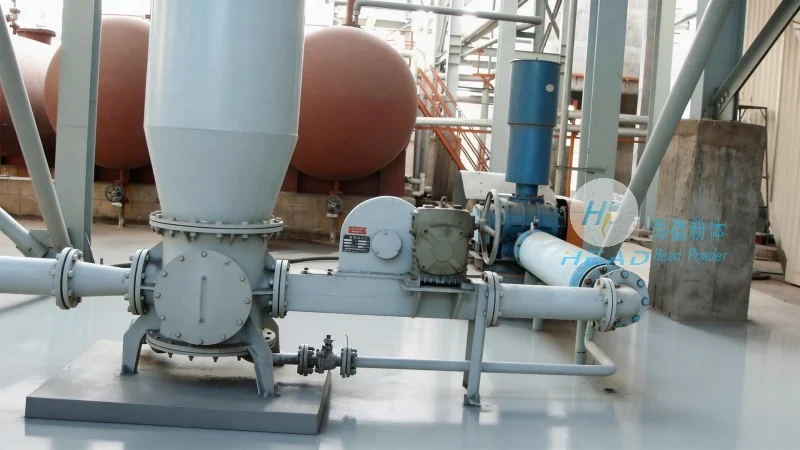
Customization and Integration Capabilities
Shandong HeadPowder Engineering Co., Ltd., a leading provider of powder handling solutions, specializes in designing and manufacturing customized pneumatic conveying systems tailored to specific customer requirements. The company's expertise lies in understanding the unique challenges of each industry and developing solutions that address those needs. For example, in the food industry, HeadPowder may incorporate sanitary design features, such as stainless steel components and easy-to-clean surfaces, to meet regulatory standards. In the chemical industry, the system may be designed to handle corrosive or abrasive powders, with materials like stainless steel or special coatings used for the pipeline and equipment. The company also offers integration services, where the pneumatic conveying system is seamlessly integrated with existing production lines or equipment, minimizing downtime and ensuring smooth operation. Customization options include different hopper designs, feeder types, and control systems, allowing clients to select the most suitable configuration for their application.
Conclusion and Company Overview
Powder pneumatic conveying systems represent a sophisticated and efficient method for transporting dry bulk materials, offering significant advantages in terms of performance, flexibility, and hygiene. The working principle, which relies on air pressure to move powder through pipelines, is both simple and effective, making it a preferred choice for many industries. Key characteristics such as high efficiency, cleanliness, and adaptability make these systems versatile and reliable. As a result, they are widely used in applications ranging from chemical processing to food production. Shandong HeadPowder Engineering Co., Ltd. plays a crucial role in this field, providing customized solutions that meet the diverse needs of its clients. With its focus on technical expertise and customer-centric design, HeadPowder continues to be a trusted partner in the development and implementation of efficient powder handling systems.