

Working Principle and Features of Negative Pressure Vacuum Pneumatic Conveying
For industries dealing with bulk materials, efficient and reliable material handling systems are crucial. Negative pressure vacuum pneumatic conveying is a technology that addresses these needs by providing a method to transport powders and granules with precision and control. This article explores the working principle and key features of this system, highlighting its applications and benefits.
Understanding the Working Principle of Negative Pressure Vacuum Pneumatic Conveying
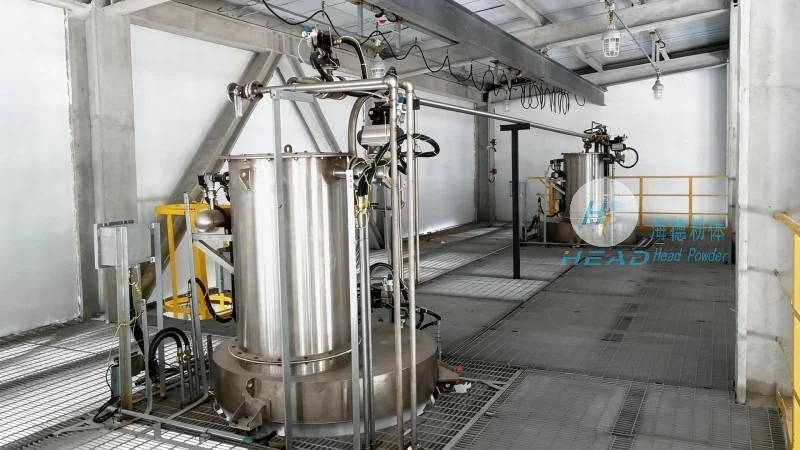
The core of negative pressure vacuum pneumatic conveying lies in creating a vacuum environment within the conveying line. This is achieved by using a vacuum pump or other vacuum generation equipment to draw air out of the system, creating a pressure differential between the material source and the receiving container. As a result, the material is drawn from the source into the conveying line due to the pressure difference. The material is then transported through the pipeline to the destination, where the pressure is restored, allowing the material to be discharged. The process typically involves several key components, including a vacuum pump, a material feed hopper, a conveying line, and a receiving vessel. The vacuum pump is responsible for maintaining the low pressure, while the feed hopper ensures a consistent supply of material. The conveying line transports the material under vacuum, and the receiving vessel collects the material once it reaches the destination. This system operates by creating a continuous flow of material through the pipeline, with the vacuum maintaining the material in suspension and preventing blockages.
Key Features of Negative Pressure Vacuum Pneumatic Conveying
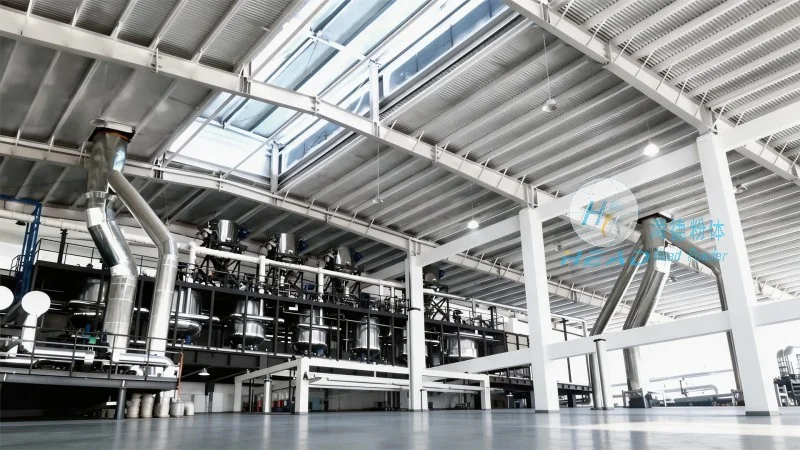
One of the primary advantages of negative pressure vacuum pneumatic conveying is its ability to handle a wide range of materials, from fine powders to larger granules. The system is particularly effective for materials that are prone to dust or require gentle handling to prevent degradation. The vacuum environment also helps to minimize material contamination and cross-contamination between different products. Another key feature is the system's flexibility in terms of layout and installation. It can be configured to fit various production environments, with the conveying line being installed in a straight or curved path as needed. The system is also relatively easy to maintain, with components that are accessible and straightforward to service. Additionally, negative pressure systems are generally more energy-efficient compared to positive pressure systems, as they require less power to operate. This makes them a cost-effective solution for many industrial applications.
Applications and Benefits in Industrial Settings
Negative pressure vacuum pneumatic conveying is widely used in various industries, including pharmaceuticals, food processing, chemical manufacturing, and mining. In the pharmaceutical industry, for example, it is used to transport active pharmaceutical ingredients (APIs) and other sensitive materials that require strict contamination control. The system's ability to maintain a sterile environment and prevent cross-contamination makes it ideal for these applications. In the food industry, it is used to handle powders such as flour, sugar, and spices, ensuring that the materials are handled gently and without contamination. The system's flexibility also allows it to be integrated into existing production lines, minimizing downtime and disruption. The benefits of this technology extend beyond just material handling. By improving the efficiency of material transport, it can help to reduce labor costs and increase production throughput. Additionally, the system's low maintenance requirements contribute to overall operational savings.
Conclusion and Company Overview
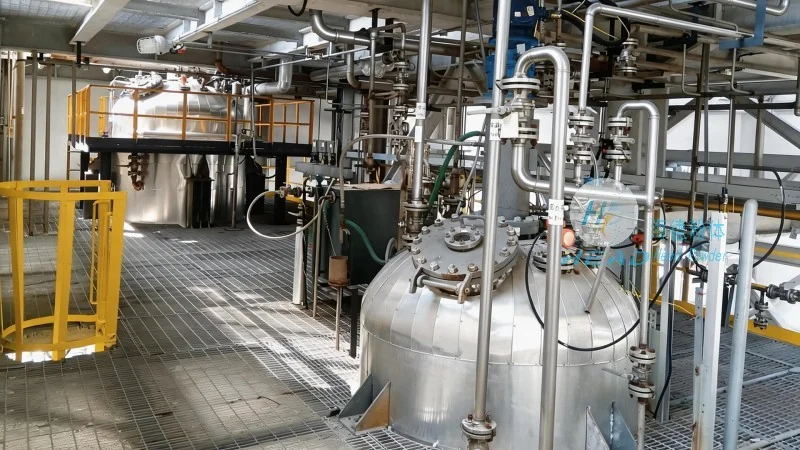
Negative pressure vacuum pneumatic conveying is a reliable and efficient method for transporting bulk materials. Its working principle, based on creating a vacuum to draw material through a pipeline, offers several advantages over other conveying systems. The key features, including its ability to handle diverse materials, flexibility in installation, and energy efficiency, make it a popular choice in many industries. As a leader in material handling solutions, Shandong HeadPowder Engineering Co., Ltd. specializes in providing high-quality negative pressure vacuum pneumatic conveying systems tailored to the specific needs of their clients. With a focus on innovation and customer satisfaction, the company ensures that their systems meet the highest standards of performance and reliability. Based in Shandong, China, HeadPowder Engineering Co., Ltd. leverages years of experience and expertise to deliver solutions that enhance operational efficiency and productivity for their clients.