

Working Principle and Features of Oat Flour Pneumatic Conveying Systems
For those in the food processing industry, especially those handling oat flour, understanding the technology behind efficient material transport is crucial. This article delves into the working principle and key features of an oat flour pneumatic conveying line, highlighting how such systems enhance operational efficiency and product quality. The information is presented by Shandong HeadPowder Engineering Co., Ltd., a leading provider of engineering solutions for bulk material handling in China.
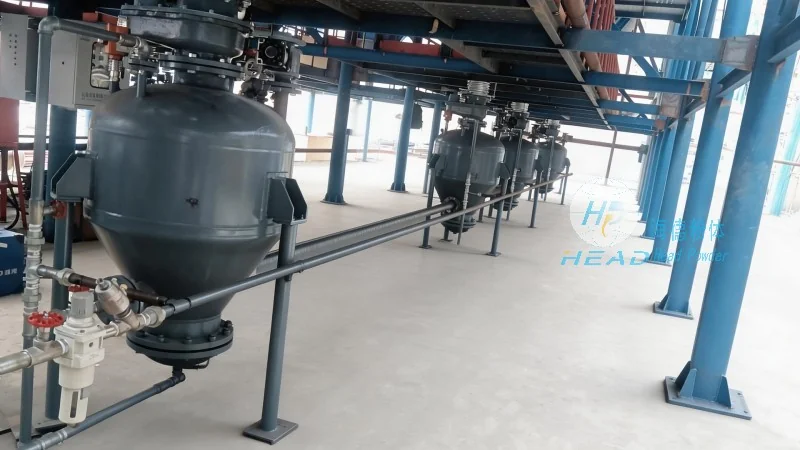
Understanding the Working Principle of Oat Flour Pneumatic Conveying Lines
The core of an oat flour pneumatic conveying system lies in its ability to transport dry bulk materials like oat flour through a pipeline using air pressure. The system typically operates on one of two principles: pressure or vacuum. In a pressure system, air is compressed and forced through the conveying line, carrying the oat flour particles along. Conversely, a vacuum system creates a low-pressure environment that draws the material into the line. Both methods rely on the principle of air flow to move the material from the source to the destination. The process begins with the oat flour being fed into the system, often via a hopper or feeder, where it is then introduced into the conveying line. The air flow, controlled by a blower or vacuum pump, propels the flour through the pipeline, ensuring consistent and reliable transport. Key components include the feeder, which controls the flow rate of the oat flour, the conveying line itself, and the receiver or destination vessel where the flour is deposited. The system is designed to maintain the integrity of the oat flour, preventing issues like caking or degradation that can occur with traditional methods like bucket elevators or belt conveyors.
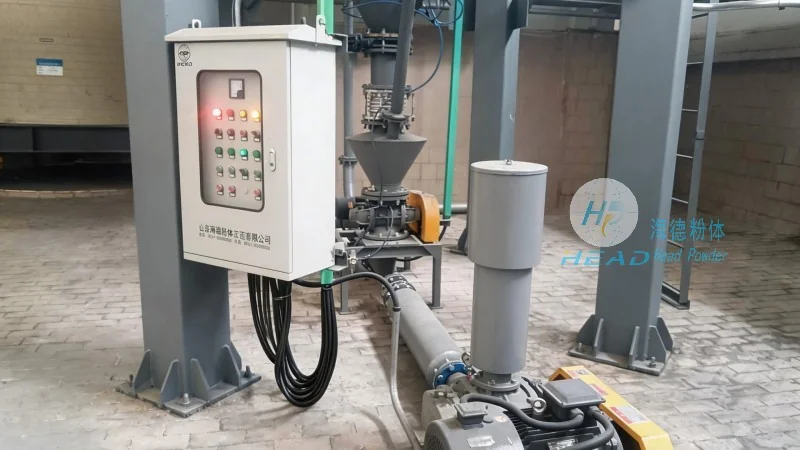
Key Features of Oat Flour Pneumatic Conveying Systems
When evaluating pneumatic conveying systems for oat flour, several features stand out as critical for optimal performance. First, the system's ability to handle fine powders without causing blockages or excessive pressure drops is paramount. Oat flour, being a fine powder, requires a design that minimizes friction and maintains consistent air flow. Advanced systems incorporate features like pulse jets or rotary valves to ensure smooth material movement. Second, the system's hygienic design is essential, especially in food processing applications. Components such as the hopper, feeder, and conveying line are often made from stainless steel and designed for easy cleaning and maintenance, complying with food safety regulations. This ensures that the oat flour remains free from contamination throughout the transport process. Third, the energy efficiency of the system is a significant consideration. Modern pneumatic conveying lines use high-efficiency blowers and optimized air flow paths to reduce energy consumption while maintaining high transport rates. This not only lowers operational costs but also aligns with sustainability goals. Additionally, the system's flexibility in terms of layout and integration with existing production lines is a key feature. It can be customized to fit various plant configurations, allowing for easy expansion or reconfiguration as production needs change. The ability to handle different particle sizes and moisture contents of oat flour without adjustments is another notable advantage, making the system versatile for various applications.
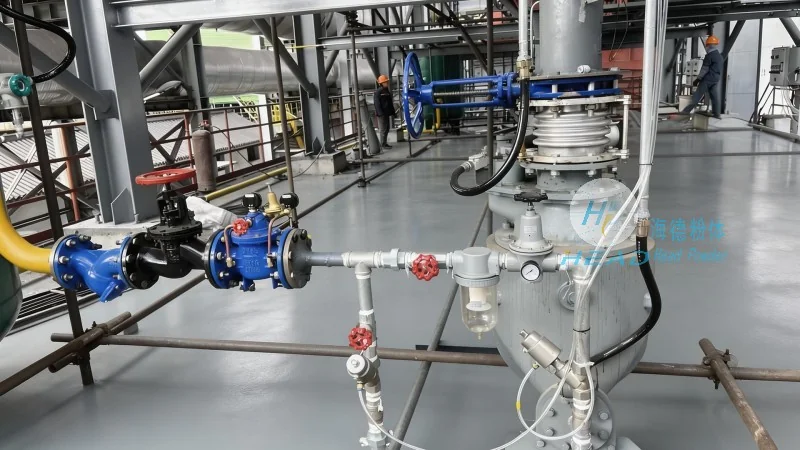
Benefits of Using Pneumatic Conveying for Oat Flour Handling
Implementing a pneumatic conveying line for oat flour offers numerous benefits that enhance overall operational performance. One of the most significant advantages is the improvement in product quality and consistency. Unlike mechanical conveyors that can cause particle breakage or segregation, pneumatic systems gently transport the flour, preserving its texture and quality. This is particularly important for oat flour used in food products where texture and flavor are critical. Another benefit is the reduction in labor costs and maintenance. Automated systems require less manual intervention, reducing the risk of human error and minimizing downtime due to mechanical failures. The system's ability to handle large volumes of material efficiently also increases production throughput, allowing manufacturers to meet higher demand without additional capital investment. Furthermore, the hygienic design of the system ensures compliance with stringent food safety standards, which is essential for maintaining brand reputation and market access. The flexibility of the system also allows for easy integration with other processing equipment, such as mixers or packaging machines, creating a seamless production line. This integration improves workflow efficiency and reduces the need for manual handling, further enhancing safety and productivity in the plant.
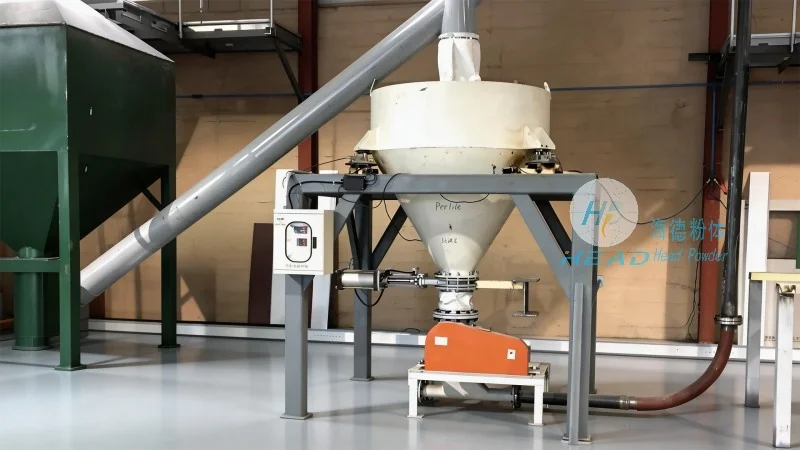
Conclusion and Company Overview
In conclusion, oat flour pneumatic conveying systems represent a sophisticated and efficient solution for transporting bulk materials in the food processing industry. By understanding the working principles and key features of such systems, manufacturers can make informed decisions to enhance their operational efficiency and product quality. Shandong HeadPowder Engineering Co., Ltd., with its expertise in engineering and manufacturing, provides comprehensive solutions tailored to the specific needs of oat flour handling. The company's commitment to quality, innovation, and customer satisfaction ensures that clients receive systems that are not only effective but also reliable and cost-efficient. Based in Shandong, China, HeadPowder Engineering leverages its local presence and industry knowledge to deliver solutions that meet the evolving demands of the food processing sector. Whether for new installations or system upgrades, the company's approach focuses on providing customized, high-performance pneumatic conveying lines that contribute to the success of its clients' operations.