

What is a Styrene Material Pneumatic Conveying System? And What Are Its Design Principles?
Styrene, a widely used monomer in the production of plastics and resins, often requires efficient and reliable material handling solutions during processing. The styrene material pneumatic conveying system is a specialized technology designed to transport styrene powder or granules from one location to another within industrial facilities. This system leverages the principles of pneumatic conveying, where materials are moved through a pipeline using a carrier gas, typically air or other suitable gases, to achieve safe and effective material transfer. Such systems are commonly engineered and manufactured by companies like Shandong HeadPowder Engineering Co., Ltd., known in the industry as headpowder.
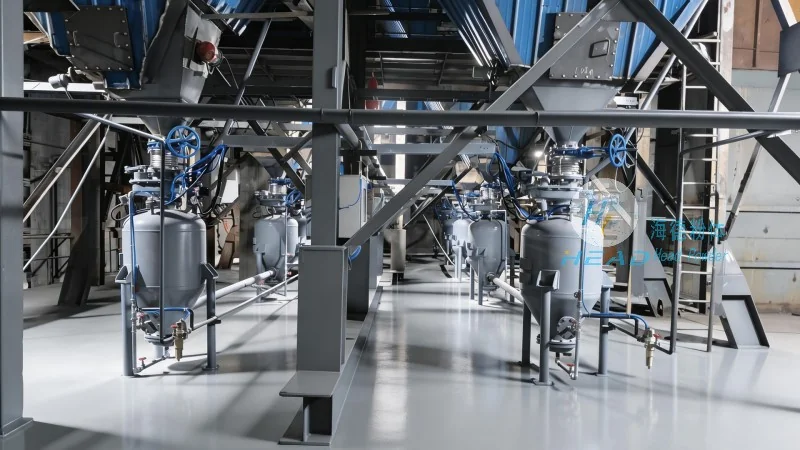
Understanding the Core Function of Styrene Pneumatic Conveying Systems
At its essence, a styrene material pneumatic conveying system is engineered to handle the unique properties of styrene, such as its potential for dust explosion risks and its sensitivity to moisture or contamination. The system is designed to maintain the integrity of the material while ensuring operational safety and efficiency. It typically consists of several key components, including a material hopper, a conveying line, a gas source (often a blower or compressor), and a receiver or discharge unit. The material is fed from the hopper into the conveying line, where it is suspended and carried by the moving gas stream to the destination point.
The Design Principles Underpinning Styrene Pneumatic Conveying Systems
The design of a styrene material pneumatic conveying system follows specific principles to optimize performance and safety. One of the primary design considerations is the selection of appropriate gas velocities and pressure levels to ensure that the material is adequately suspended and transported without causing excessive wear on the system components. The system must also account for the material's flow characteristics, such as its density, particle size distribution, and cohesive properties, to prevent blockages or uneven flow. Additionally, safety measures are integrated into the design to mitigate risks associated with dust explosions, including the use of explosion-proof components and proper venting systems. The system's layout and pipeline configuration are carefully planned to minimize pressure drops and ensure consistent material flow, which is crucial for maintaining production efficiency.
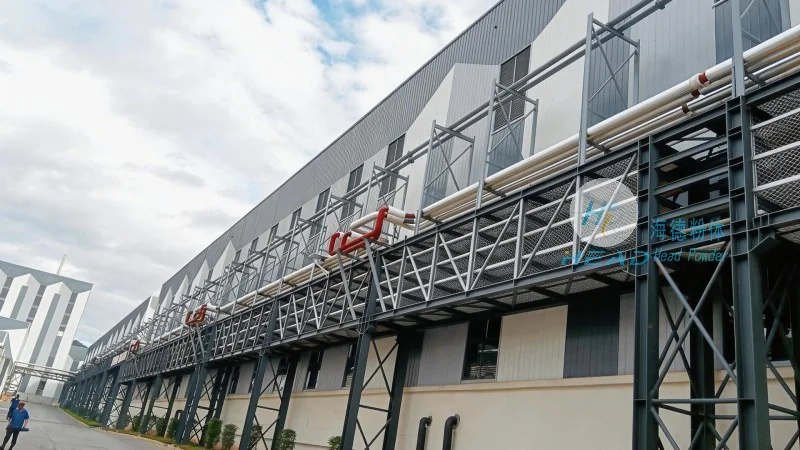
Key Components and Their Roles in the System
Several critical components work together to ensure the effective operation of a styrene material pneumatic conveying system. The material hopper serves as the storage and feeding unit, where the styrene is stored before being introduced into the conveying line. The hopper is often equipped with a rotary valve or feeder to control the flow rate of the material, preventing overfilling or underfilling. The conveying line, usually made of stainless steel or other corrosion-resistant materials, is designed to withstand the chemical properties of styrene and the abrasive nature of its particles. The gas source, typically a positive displacement blower or a centrifugal fan, generates the necessary pressure and flow rate to move the material through the pipeline. The receiver or discharge unit is where the material is deposited at the destination, and it may include a silo or storage tank to hold the material until it is further processed. Each component is selected and sized based on the specific requirements of the styrene material being handled, ensuring optimal performance and longevity.
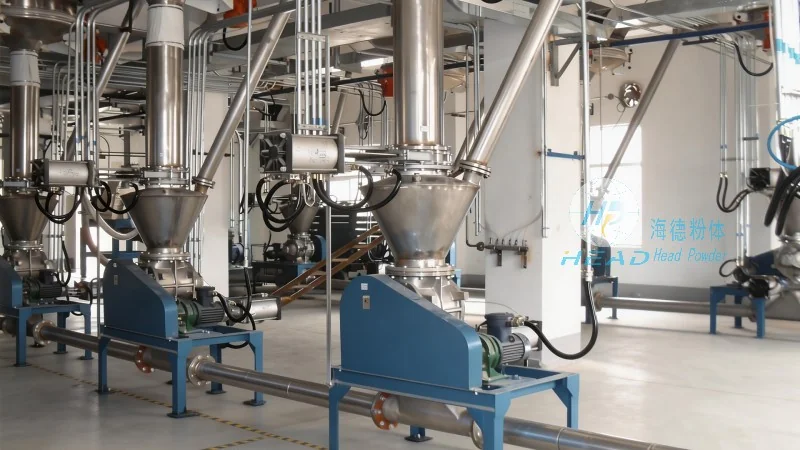
Operational Considerations and Maintenance Practices
Proper operation and maintenance are essential for the reliable performance of a styrene material pneumatic conveying system. Regular inspections of the system components, such as the hopper, conveying line, and gas source, are necessary to identify and address any potential issues before they lead to system failures. The system should be equipped with monitoring devices to track pressure, flow rate, and material level, allowing operators to detect anomalies and take corrective action promptly. Cleaning and maintenance procedures are also critical, as styrene can accumulate in the system and lead to blockages or reduced efficiency over time. The use of appropriate cleaning agents and tools, along with scheduled maintenance intervals, helps to ensure that the system remains in optimal condition and continues to operate safely and efficiently.
Applications and Industries Utilizing Styrene Pneumatic Conveying Systems
Styrene material pneumatic conveying systems are widely used in various industries that rely on styrene as a raw material. These include the plastics and resin manufacturing industry, where styrene is used to produce polystyrene and other styrene-based polymers. The system is also utilized in the chemical processing industry, where styrene is transported between different processing stages, such as from storage tanks to reactors or from reactors to storage silos. Additionally, the system may be employed in research and development facilities, where precise and controlled material handling is required for experimental processes. The versatility of the styrene pneumatic conveying system makes it an essential tool for industries seeking to improve material handling efficiency and safety in their operations.