When it comes to managing tailings and powder waste in industrial operations, selecting the appropriate material handling solution is crucial for efficiency, safety, and cost-effectiveness. Pneumatic conveying systems have emerged as a reliable and versatile option for transporting these materials over short to medium distances. However, with various types and configurations available, choosing the right system requires careful consideration of several key factors. This article aims to guide you through the process of selecting an appropriate pneumatic conveying system for your tailings and powder waste handling process, ensuring optimal performance and alignment with your operational needs.
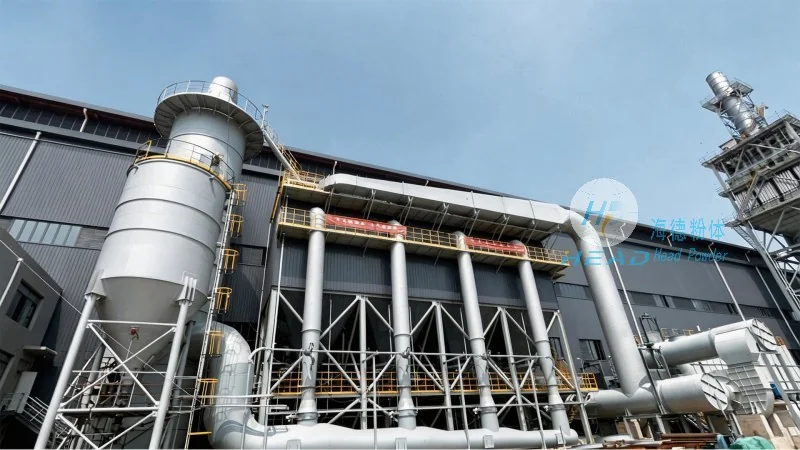
Understanding the Importance of Tailings and Powder Waste Handling
Tailings and powder waste are byproducts of industrial processes, such as mining, chemical manufacturing, and food processing. These materials often present unique challenges in terms of handling, including their fine particle size, abrasive nature, and potential for dust generation. Proper management of these materials is essential to prevent environmental contamination, ensure workplace safety, and comply with regulatory standards. Effective transport solutions not only enhance operational efficiency but also contribute to sustainable industrial practices.
Key Factors to Consider When Choosing a Pneumatic Conveying System
The selection of a pneumatic conveying system for tailings and powder waste depends on several critical factors. First, the physical properties of the material, including particle size, density, and moisture content, play a significant role. For example, fine powders may require high-velocity systems with proper air flow management to prevent blockages and ensure consistent transport. Additionally, the distance and layout of the transport route influence the choice between positive pressure, negative pressure, or hybrid systems. The volume of material to be transported per hour and the required throughput rate are also essential considerations, as they determine the system's capacity and power requirements.
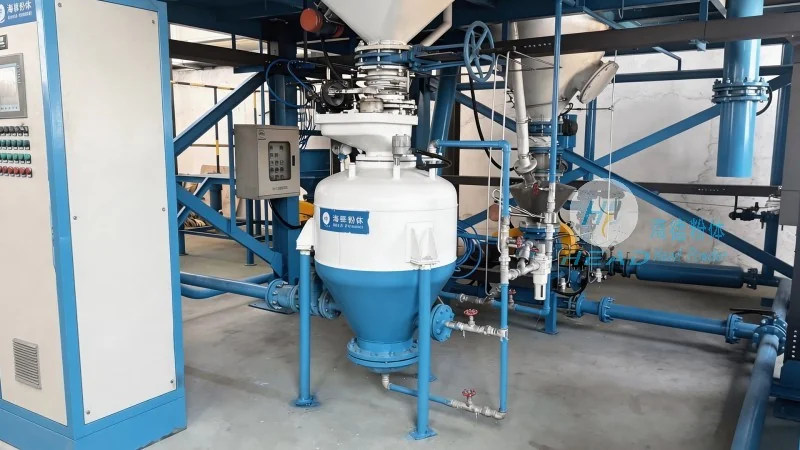
Types of Pneumatic Conveying Systems for Tailings and Powder Waste
There are primarily two types of pneumatic conveying systems: positive pressure and negative pressure. Positive pressure systems use a blower or compressor to force air and material through the pipeline, making them suitable for long-distance and high-capacity transport. These systems are often preferred for abrasive materials due to their robust construction and ability to handle high pressure. On the other hand, negative pressure systems use a vacuum to draw material into the system, which is ideal for short-distance transport and applications where dust containment is a priority. Hybrid systems combine elements of both positive and negative pressure, offering flexibility for complex transport routes.
Material Handling Challenges and System Solutions
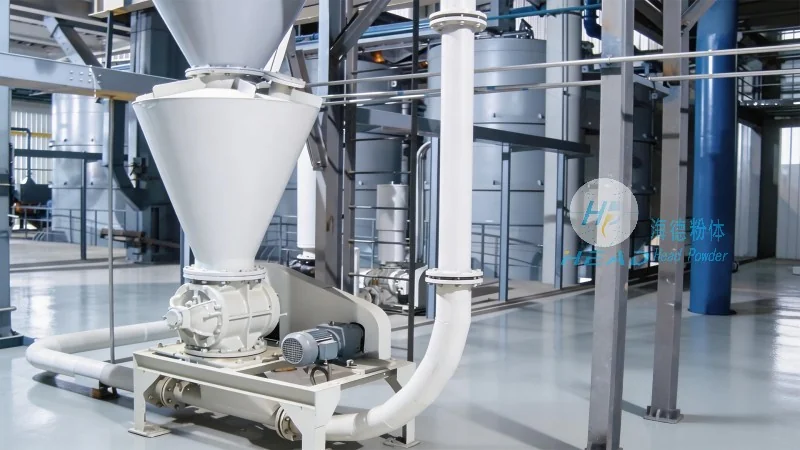
Tailings and powder waste often present challenges such as caking, agglomeration, and high dust generation. To address these issues, specialized components and system designs are employed. For instance, rotary air locks and surge hoppers are used to regulate material flow and prevent backflow, while cyclone separators and filters are essential for dust collection and air purification. The choice of system components, such as the type of hopper, feeder, and pipeline material, directly impacts the system's performance and longevity. Materials like stainless steel or high-density polyethylene are commonly used to withstand the abrasive nature of tailings and prevent corrosion.
Cost and Maintenance Considerations
Investing in a pneumatic conveying system involves both initial capital costs and long-term operational expenses. The upfront cost of the system, including equipment, installation, and labor, should be evaluated against the expected return on investment. Maintenance costs, such as filter replacement, component replacement, and regular system checks, are also important factors. Systems with lower maintenance requirements and longer service life can reduce overall operational costs over time. Additionally, energy consumption plays a role in the total cost of ownership, as pneumatic systems rely on air compressors or blowers, which can be energy-intensive.
Consulting with Industry Experts: The Role of Shandong HeadPowder Engineering Co., Ltd.
Given the complexity of tailings and powder waste handling, consulting with experienced industry professionals is highly recommended. Shandong HeadPowder Engineering Co., Ltd., a leading provider of material handling solutions, offers expert guidance and customized system designs tailored to specific operational needs. With years of experience in the industry, their team of engineers and technicians understands the unique challenges associated with tailings and powder waste and can provide solutions that optimize performance, safety, and efficiency. By leveraging their expertise, you can ensure that your pneumatic conveying system is not only effective but also compliant with industry standards and regulations.
Conclusion: Making the Right Choice for Your Tailings and Powder Waste Handling Process
Selecting the right pneumatic conveying system for your tailings and powder waste handling process is a critical decision that impacts your operational success. By considering the material properties, transport requirements, system types, and cost factors, you can make an informed choice that enhances productivity and reduces risks. Whether you opt for a positive pressure, negative pressure, or hybrid system, the key is to align the system with your specific needs and operational goals. With the right system in place, you can efficiently manage tailings and powder waste, ensuring environmental compliance, workplace safety, and sustainable industrial practices. For more information and expert assistance, contact Shandong HeadPowder Engineering Co., Ltd., located in Shandong, China.




