

What is a Coal Ash Material Pneumatic Conveying System? And What Are Its Design Principles?
Coal ash, a byproduct of coal combustion in power plants, poses unique challenges for material handling and transportation. The coal ash material pneumatic conveying system is a specialized solution designed to efficiently transport this fine, often abrasive material from its source to processing or disposal locations. This system leverages the principles of pneumatic transport, where particles are suspended and moved by a flowing gas, typically air or a mixture of air and other gases. The effectiveness of such systems depends heavily on the design, which must account for the physical properties of coal ash, such as particle size, density, and moisture content, as well as operational requirements like distance, flow rate, and system pressure.
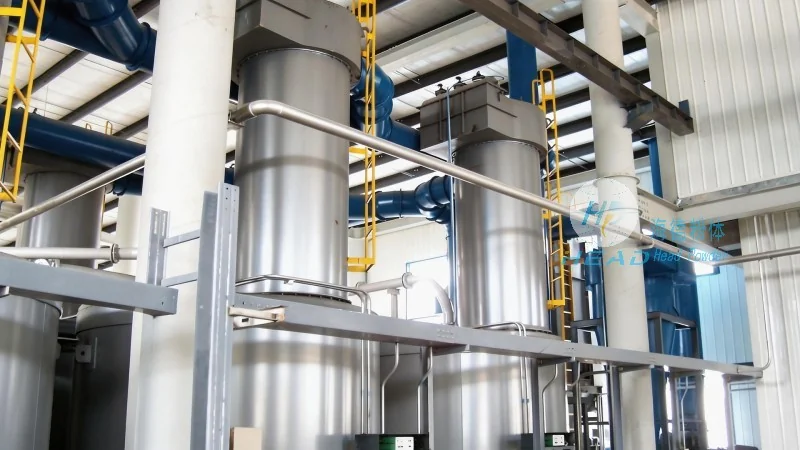
Key Design Principles for Coal Ash Pneumatic Conveying
The design of a coal ash pneumatic conveying system involves several critical principles to ensure reliable and efficient operation. First, the system must be tailored to the specific characteristics of the coal ash being handled. This includes selecting appropriate equipment for material feeding, such as rotary valves or screw feeders, which are designed to handle the fine, cohesive nature of ash without causing blockages or excessive wear. The conveying line itself is typically made of materials resistant to abrasion, such as stainless steel or high-grade plastic, to withstand the constant impact of ash particles. Additionally, the system's pressure and flow rate are carefully calculated to maintain a stable suspension of particles, preventing settling or clogging in the pipeline. For long-distance conveying, high-pressure systems may be employed, while low-pressure systems are suitable for shorter distances or when handling lighter materials. The choice of system also depends on the desired flow rate, which can range from low to high, depending on the application's throughput requirements.
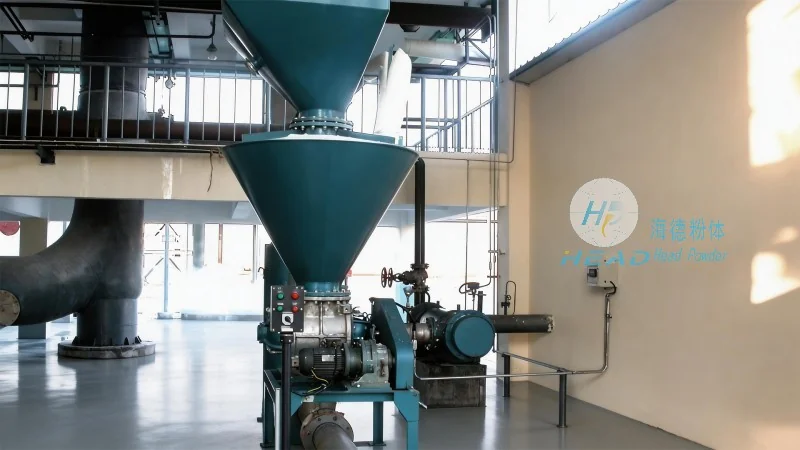
Components and Functionality of the Pneumatic Conveying System
A typical coal ash pneumatic conveying system consists of several key components, each playing a vital role in the overall operation. The primary components include a material feeder, a conveying line, a separator or cyclone for particle separation, and a dust collection system. The material feeder, often a rotary valve or a screw conveyor, introduces the coal ash into the system at a controlled rate, ensuring a consistent flow into the conveying line. The conveying line, which can be horizontal or vertical, transports the ash particles suspended in the gas stream. The separator, usually a cyclone or a baghouse, separates the ash from the gas, allowing the clean air to be discharged or recirculated, while the ash is collected for further processing or disposal. The dust collection system is essential for maintaining air quality and complying with environmental regulations, as coal ash can be a fine, respirable dust that poses health risks if not properly contained. Each component is designed to work in harmony, with the feeder providing a steady input, the line maintaining particle suspension, and the separator ensuring efficient material recovery and air purification.
Advantages of Using a Pneumatic Conveying System for Coal Ash
Implementing a coal ash material pneumatic conveying system offers several advantages over traditional methods like belt conveyors or bucket elevators. One of the most significant benefits is the ability to handle fine, cohesive materials that are difficult to transport using mechanical systems. The pneumatic system can transport ash over long distances without the need for multiple transfer points or intermediate storage, reducing the overall footprint of the facility. Additionally, the system is relatively compact and can be installed in tight spaces, making it suitable for retrofitting into existing power plant infrastructure. The design also minimizes material degradation, as the ash is not subjected to the high friction and impact typical of mechanical conveyors, which can cause breakage or agglomeration. From an operational perspective, the system offers high reliability and low maintenance requirements, as it has fewer moving parts compared to mechanical systems. The ability to adjust flow rates and pressure on the fly allows for flexible operation, adapting to changes in ash production or processing needs. Furthermore, the system can be integrated with other plant processes, such as ash utilization or recycling, providing a seamless flow of material throughout the facility.
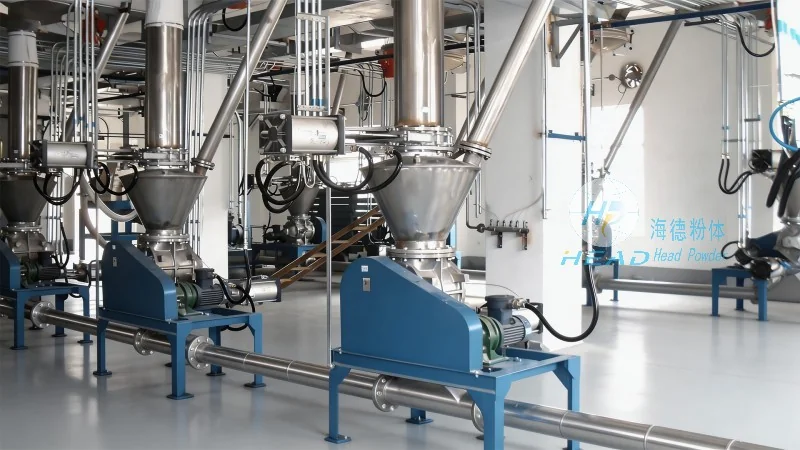
Considerations for Design and Implementation
When designing and implementing a coal ash pneumatic conveying system, several factors must be carefully considered to ensure optimal performance and longevity. The first consideration is the physical properties of the coal ash, as these directly impact system design. For example, if the ash has high moisture content, the system may require additional drying or moisture control measures to prevent clogging or corrosion. The particle size distribution is another critical factor, as finer particles require higher gas velocities to maintain suspension, which can increase energy consumption. The distance and elevation changes between the source and destination of the ash also influence the system's design, with longer distances or higher elevations necessitating higher pressure or more powerful pumps. Environmental regulations and air quality standards are also important considerations, as the system must be equipped with effective dust collection to comply with local and national laws. The choice of materials for the conveying line and components is crucial, as they must resist corrosion and abrasion from the ash particles over time. Additionally, the system's integration with existing plant infrastructure must be carefully planned to avoid disruptions to operations and to ensure compatibility with other equipment. Finally, regular maintenance and monitoring are essential to prevent system failures and ensure consistent performance, as the system's reliability directly impacts the overall efficiency of the power plant's ash handling operations.