Caustic soda, also known as sodium hydroxide, is a critical chemical widely used in various industrial processes, including manufacturing, water treatment, and chemical synthesis. The efficient and safe handling of caustic soda is paramount, especially when it comes to material transport. Pneumatic conveying systems offer a reliable solution for transporting caustic soda from storage to processing units, ensuring minimal exposure to personnel and maintaining product integrity. This article outlines key design considerations for developing effective caustic soda pneumatic conveying system solutions, focusing on the expertise of Shandong HeadPowder Engineering Co., Ltd., a leading provider in the field with a strong presence in China, specifically in Shandong province.
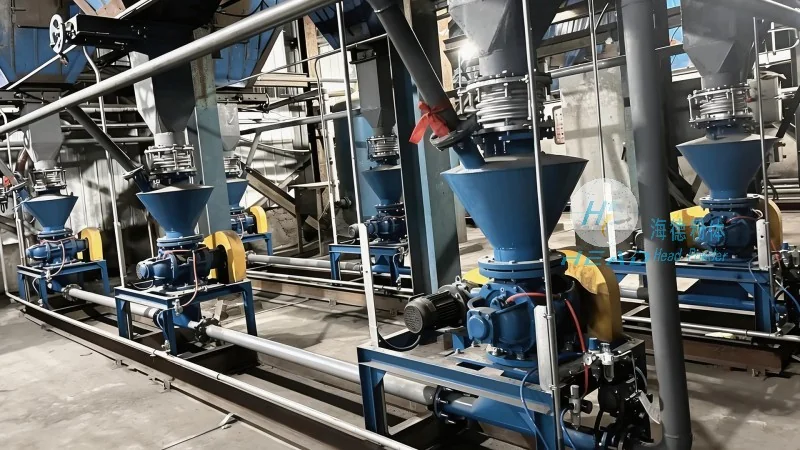
Understanding the Core Requirements for Caustic Soda Pneumatic Conveying
Before designing a pneumatic conveying system for caustic soda, it is essential to understand the specific characteristics of the material and the operational demands of the facility. Caustic soda is hygroscopic, meaning it absorbs moisture from the air, which can affect its handling properties. Additionally, it is a caustic substance that requires careful handling to prevent skin irritation or chemical burns. The design must address these challenges while ensuring compliance with safety regulations and operational efficiency. The system must also consider the scale of production, the distance between the storage and processing areas, and the desired throughput rate to ensure the design meets all operational requirements.
Material Properties and Their Impact on System Design
The physical and chemical properties of caustic soda significantly influence the selection of components and the overall system configuration. For instance, the material's density, flowability, and tendency to cake or agglomerate must be considered. A well-designed system will incorporate features such as proper hopper design to prevent material bridging, appropriate air flow rates to maintain consistent material transport, and suitable filtration to prevent dust accumulation. The choice of materials for system components, such as stainless steel or corrosion-resistant alloys, is critical to withstand the caustic environment and ensure long-term durability. The hopper should be equipped with a cone or wedge to prevent material from sticking to the walls, and the feeder may use a rotary valve or screw mechanism to control the flow rate accurately. The air compressor must be capable of delivering the required pressure and volume to move the material through the conveying line without causing excessive wear or pressure drops.
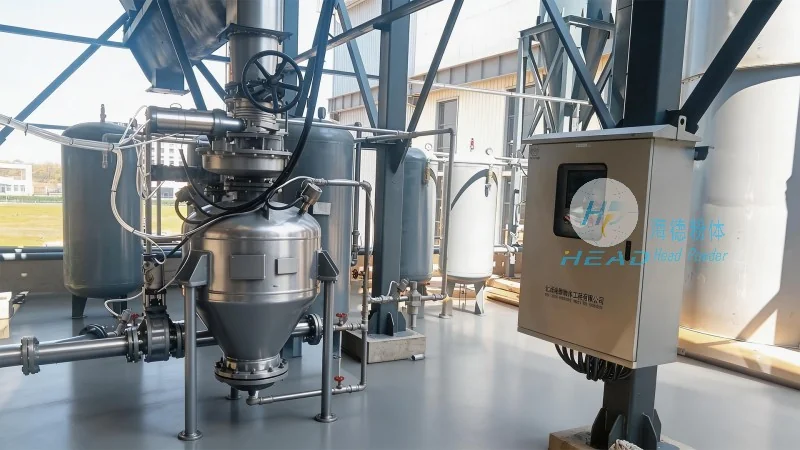
System Components and Their Role in Efficient Conveying
A caustic soda pneumatic conveying system typically consists of several key components, each playing a vital role in the overall operation. The primary components include the hopper, feeder, air compressor, conveying line, and receiver. The hopper is designed to store the caustic soda and provide a consistent feed to the feeder. The feeder controls the material flow rate, ensuring a steady supply to the system. The air compressor generates the necessary air pressure to move the material through the conveying line. The conveying line, often made of flexible or rigid tubing, transports the material from the feeder to the receiver. The receiver collects the material at the destination and may include features like a dust collection system to maintain air quality. The system may also include a venturi or eductor to assist in material transport, especially for materials with low flowability. Properly sized and positioned components are essential to ensure the system operates efficiently and without excessive energy consumption.
Design Considerations for Safety and Compliance
Safety is a top priority when handling caustic soda, and the pneumatic conveying system must be designed with robust safety features. This includes proper ventilation to prevent the accumulation of caustic fumes, explosion-proof components if the system operates in potentially explosive environments, and emergency shutdown mechanisms. Additionally, the system must comply with relevant safety standards and regulations, such as those from OSHA (Occupational Safety and Health Administration) and local environmental agencies. Regular maintenance and inspection protocols are also essential to ensure the system operates safely and efficiently over time. The system should be equipped with pressure relief valves to prevent over-pressurization and include warning labels and signage to alert personnel of potential hazards. The design must also consider the risk of dust explosions, especially in environments where fine caustic soda particles are present, and incorporate appropriate explosion prevention measures.
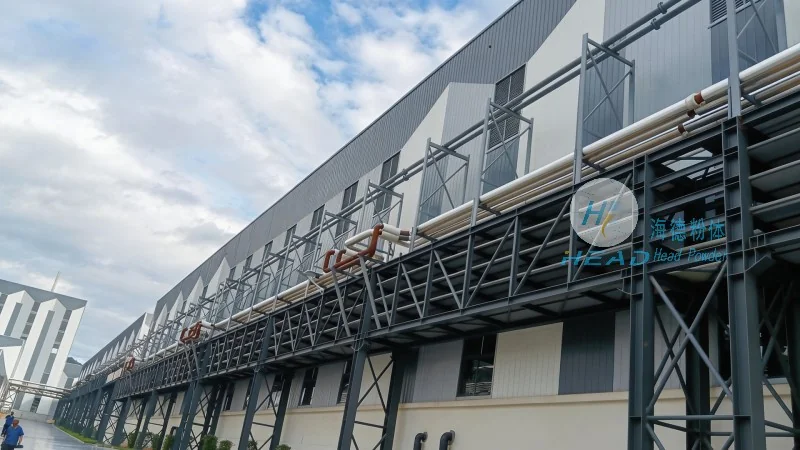
Optimizing Air Flow and Pressure for Maximum Efficiency
The air flow rate and pressure are critical parameters that determine the efficiency of the pneumatic conveying system. An optimal air flow rate ensures that the caustic soda is transported smoothly without causing excessive wear on system components or generating excessive dust. The pressure level must be sufficient to overcome the resistance in the conveying line and maintain a consistent material flow. System designers must consider factors such as the distance between the hopper and receiver, the number of bends in the conveying line, and the material's characteristics to determine the appropriate air flow and pressure settings. Properly calibrated pressure regulators and flow meters are essential to maintain these parameters within the desired range. The use of air filters and dryers is also important to ensure the air used in the system is clean and dry, preventing moisture from affecting the caustic soda's properties or causing corrosion in system components. By optimizing air flow and pressure, the system can achieve high throughput rates while minimizing energy consumption and wear on parts.
Integration with Existing Facilities and Scalability
When designing a caustic soda pneumatic conveying system, it is important to consider how it will integrate with existing industrial facilities. The system should be compatible with the existing infrastructure, such as piping, electrical systems, and control panels. Additionally, the design should allow for scalability, enabling the system to be expanded or modified as the facility's needs change. This flexibility ensures that the investment in the system remains viable over the long term and can adapt to future production requirements. The system may be designed to connect to existing storage tanks or processing units, minimizing the need for new construction or major modifications. The control system should be user-friendly and capable of integrating with existing plant management software, allowing for seamless operation and monitoring. By considering integration and scalability from the outset, the system can provide long-term value and support the facility's growth.




