Grain silo material pneumatic conveying is a technology widely used in the storage and handling of bulk materials, particularly in the grain industry. This method involves transporting materials such as grains, powders, and other bulk solids using air as the conveying medium. The process typically involves a system where material is drawn into a pipeline by a vacuum or pressure, allowing it to be moved from a source to a destination without the need for mechanical components like belts or buckets. This technology is crucial for efficient and safe material handling in grain storage facilities, ensuring minimal contamination and loss during transport.
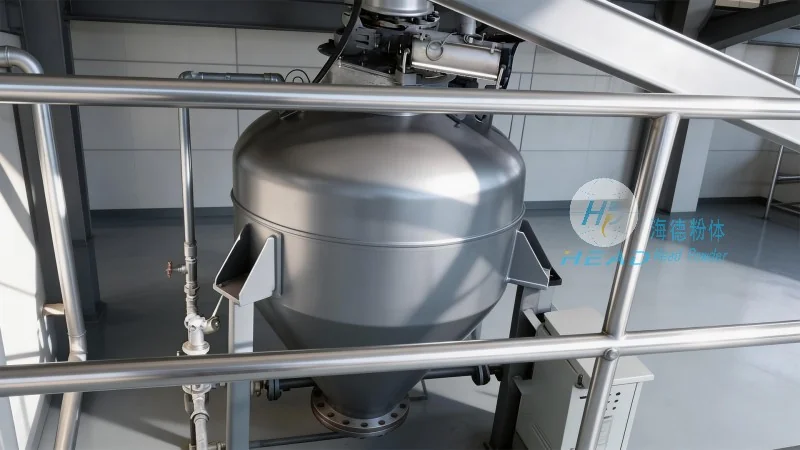
Understanding Pneumatic Conveying in Grain Silos
Pneumatic conveying systems for grain silos are designed to handle large volumes of bulk materials with precision and reliability. The core components of such a system include a hopper or feeder, a conveying line, a receiver or silo, and a vacuum or pressure source. The hopper holds the material to be conveyed, and as air is introduced, it creates a flow that pulls the material through the pipeline. This method is especially effective for materials that are fine, dusty, or have a tendency to clump, as it minimizes the risk of material degradation and ensures consistent flow rates.
Design Principles of Pneumatic Conveying Systems
The design of a pneumatic conveying system for grain silos is based on several key principles to ensure optimal performance. First, the system must be capable of handling the specific characteristics of the material, such as particle size, density, and moisture content. Engineers must calculate the appropriate air velocity and pressure to prevent material deposition or blockages in the pipeline. Second, the system's layout and components must be selected to minimize energy consumption while maintaining the required conveying capacity. This involves choosing the right type of air mover (vacuum or pressure), the diameter and length of the conveying line, and the size of the hopper and receiver. Third, safety considerations are paramount, as pneumatic systems can pose risks of dust explosions or material spills. Therefore, systems are often equipped with explosion-proof features and proper ventilation to mitigate these risks.
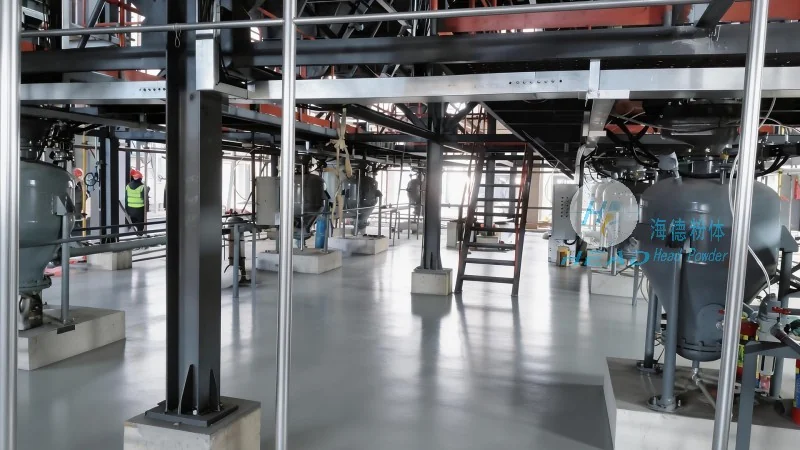
Components and Their Functions in Pneumatic Conveying
Each component of a pneumatic conveying system plays a critical role in the overall operation. The hopper or feeder is responsible for feeding the material into the system, ensuring a consistent flow. It may include features like a gate valve or a rotary valve to control the material discharge rate. The conveying line, typically made of metal or plastic, is designed to withstand the pressure and temperature of the material and air. The line's diameter and length are carefully selected to maintain the required air velocity for efficient transport. The receiver or silo is where the material is deposited, and it may be equipped with a discharge valve or a rotary valve to control the material release. The air mover, which can be a vacuum pump or a positive displacement blower, provides the necessary air flow to move the material through the system. Finally, the control system monitors and regulates the operation of the components, ensuring the system runs smoothly and efficiently.
Advantages of Pneumatic Conveying in Grain Storage
Implementing pneumatic conveying systems in grain silos offers several advantages over traditional mechanical methods. One of the primary benefits is the ability to handle fine and dusty materials without the need for additional equipment like conveyors or elevators. This reduces the risk of material contamination and loss, as the material remains contained within the system. Another advantage is the reduced maintenance requirements, as there are fewer moving parts compared to mechanical systems. Pneumatic systems also offer greater flexibility in terms of layout, as the conveying line can be routed around obstacles or through multiple levels. Additionally, these systems can be integrated with other processes, such as cleaning or drying, to create a more comprehensive material handling solution.
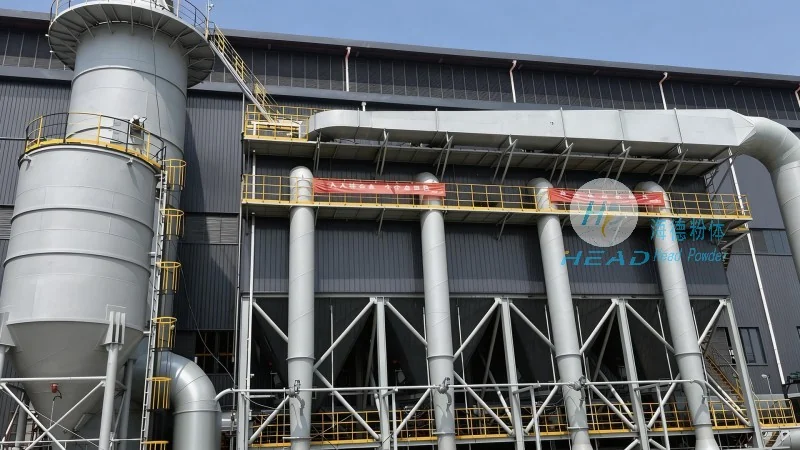
Applications in the Grain Industry
Pneumatic conveying systems are widely used in various applications within the grain industry. In grain storage facilities, they are used to transfer grain from the storage silos to processing plants or distribution centers. They are also used in grain mills to transport raw materials to the milling equipment and to move finished products to storage or packaging areas. In addition, these systems are employed in the handling of byproducts, such as bran or germ, which are often fine and dusty. The versatility of pneumatic conveying makes it suitable for a wide range of applications, from small-scale operations to large industrial facilities.
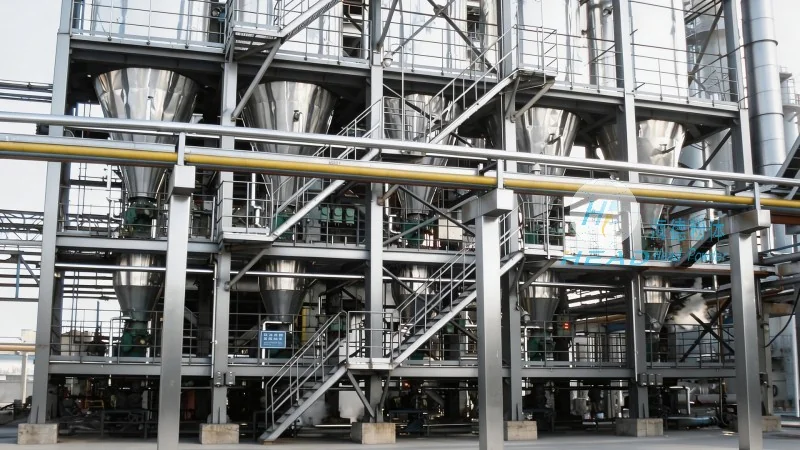
Company Overview: Shandong HeadPowder Engineering Co., Ltd.
Shandong HeadPowder Engineering Co., Ltd., commonly known as HeadPowder, is a leading manufacturer and supplier of pneumatic conveying systems and related equipment for the grain industry. With a strong focus on innovation and quality, the company has established itself as a trusted partner for grain storage and handling solutions. HeadPowder's products are designed to meet the specific needs of the grain industry, ensuring efficient, safe, and reliable material transport. The company's team of engineers and technicians work closely with clients to understand their requirements and provide customized solutions that enhance operational efficiency and reduce costs.
Address and Contact Information
HeadPowder is located in Shandong, China, providing a strategic base for serving clients both domestically and internationally. The company's headquarters is situated in a modern facility equipped with advanced manufacturing and testing capabilities. This location allows HeadPowder to leverage the region's strong industrial infrastructure and expertise in the grain processing sector. By being based in China, the company can offer competitive pricing and quick delivery times, while maintaining high standards of quality and service.




