

What is Hydrogen Sulfide Powder Pneumatic Conveying Equipment? And What Are Its Design Principles?
Hydrogen sulfide (H₂S) is a highly toxic and corrosive gas commonly found in industrial processes, particularly in the petroleum, chemical, and mining sectors. Handling and transporting H₂S-containing powders safely and efficiently is a critical challenge for many industries. This article explores the concept of hydrogen sulfide powder pneumatic conveying equipment and delves into its fundamental design principles, highlighting how such systems address the unique challenges posed by this hazardous material.
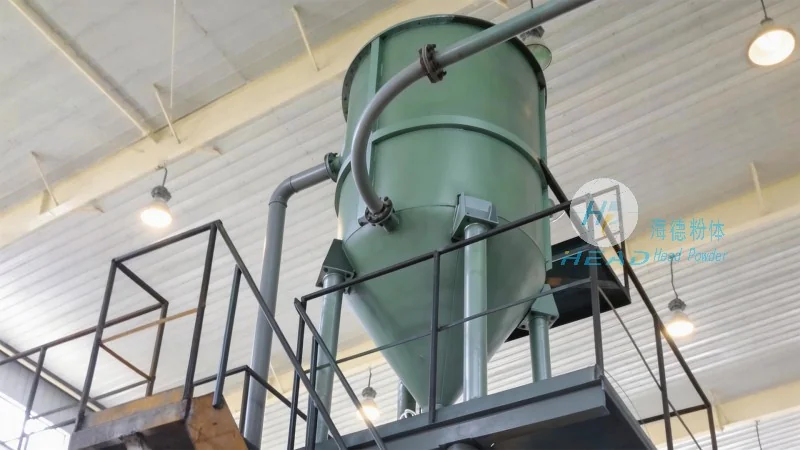
Understanding Hydrogen Sulfide Powder Pneumatic Conveying Equipment
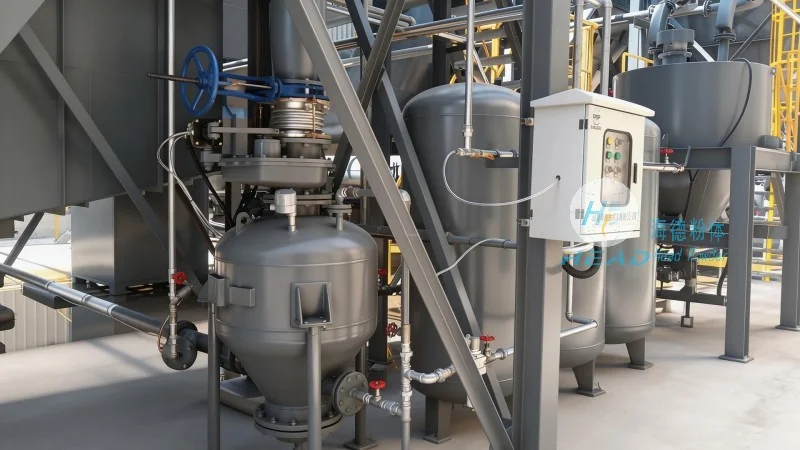
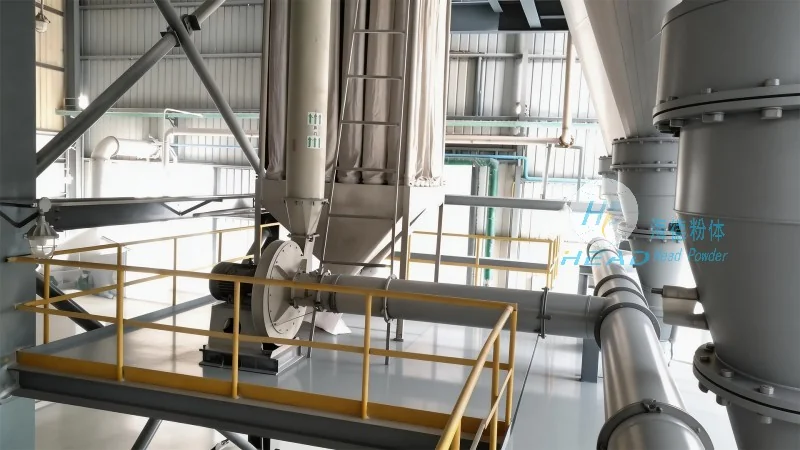
Hydrogen sulfide powder pneumatic conveying equipment is a specialized system designed to transport H₂S-laden powders from one location to another within industrial facilities. Unlike traditional mechanical conveying methods, which may pose risks of contamination or equipment failure due to the corrosive nature of H₂S, pneumatic conveying offers a more controlled and secure solution. The equipment typically consists of a hopper, a conveyor line (often with flexible tubing or rigid pipes), a blower or compressor to generate airflow, and a dust collection system to ensure safety and compliance with environmental regulations.
Key Design Principles for H₂S Powder Pneumatic Conveying
The design of hydrogen sulfide powder pneumatic conveying systems must adhere to stringent safety and material compatibility standards. Several critical principles guide the development of these systems:
- Corrosion Resistance: Materials of construction, such as stainless steel or specialized alloys, are essential to prevent degradation from H₂S exposure. Components like hoppers, pipes, and valves are engineered to withstand the corrosive effects of the gas and the powders being transported.
- Airflow Management: Proper airflow velocity and pressure are crucial to ensure reliable powder transport without clogging or particle degradation. The system must maintain sufficient velocity to keep particles suspended in the air stream, while avoiding excessive pressure that could lead to equipment damage or safety hazards.
- Sealing and Containment: To prevent H₂S leakage and protect personnel, the equipment incorporates robust sealing mechanisms at joints, valves, and connections. This includes double-seal designs and leak detection systems to ensure the system operates within safe limits.
- Temperature Control: H₂S can react with heat to produce toxic byproducts, so temperature management is vital. The system is designed to maintain temperatures below the critical threshold to prevent hazardous reactions.
Components and Functionality of the Equipment
HeadPowder, a leading manufacturer based in Shandong, China, specializes in developing hydrogen sulfide powder pneumatic conveying equipment tailored to the specific needs of industrial clients. The company’s systems are engineered with the following key components:
- Feed Hopper: A large, corrosion-resistant hopper that stores the H₂S powder, equipped with a level indicator and discharge valve to control the flow of material.
- Pneumatic Conveying Line: A network of pipes or flexible hoses that transports the powder using compressed air. The line is designed with smooth, internal surfaces to minimize friction and prevent particle buildup.
- Blower/Compressor: A high-efficiency blower or compressor that generates the necessary airflow to move the powder through the system. The equipment is equipped with pressure regulators to maintain consistent performance.
- Dust Collection System: A filtration unit that captures any airborne particles and H₂S gas, ensuring compliance with environmental regulations and protecting the surrounding environment.
Applications and Benefits of H₂S Powder Pneumatic Conveying
Hydrogen sulfide powder pneumatic conveying equipment is widely used in industries where H₂S-containing powders are processed, such as in the production of sulfuric acid, petroleum refining, and mining operations. The primary benefits of using this technology include:
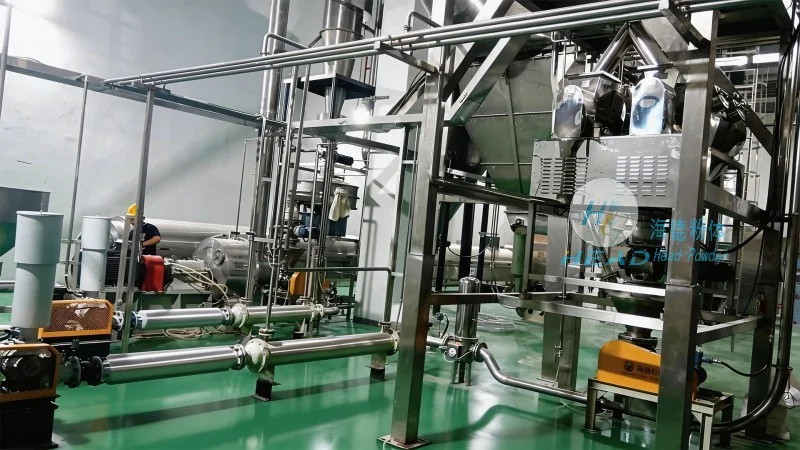
- Enhanced Safety: By eliminating the need for manual handling of H₂S powders, the system reduces the risk of exposure to toxic gases and prevents accidents.
- Improved Efficiency: Pneumatic conveying allows for continuous, automated material transport, increasing production throughput and reducing labor costs.
- Reduced Downtime: The system’s design minimizes maintenance requirements and clogging, ensuring consistent operation and minimizing downtime.
- Environmental Compliance: The integrated dust collection system ensures that H₂S emissions are controlled, helping facilities meet regulatory standards.
Conclusion
Hydrogen sulfide powder pneumatic conveying equipment is a critical solution for safely and efficiently handling H₂S-laden powders in industrial applications. Through careful design, robust materials, and advanced technology, such systems address the unique challenges posed by this hazardous material. HeadPowder Engineering Co., Ltd., with its headquarters in Shandong, China, provides specialized equipment that adheres to the highest safety and performance standards, helping industries manage H₂S powders with confidence and compliance.