

What is a Magnesium Sulfate Powder Pneumatic Conveying System? And What Are Its Design Principles?
Magnesium sulfate, commonly known as Epsom salt, is a widely used chemical compound in various industrial and agricultural applications. When handling this powder in bulk, efficient and reliable transportation is crucial to maintain product quality and operational efficiency. A magnesium sulfate powder pneumatic conveying system offers a solution to these challenges by utilizing air to transport the material from one location to another. This system is particularly beneficial for applications where traditional conveyor belts or mechanical systems may not be suitable due to the nature of the powder or the environment.
Core Components of a Pneumatic Conveying System
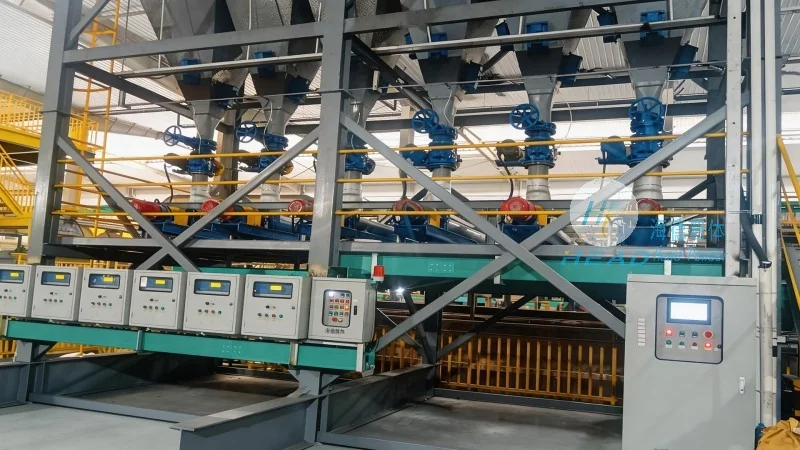
At the heart of a magnesium sulfate powder pneumatic conveying system are several key components that work in tandem to ensure smooth operation. The primary components include a material hopper, a feeder, a conveyor line (either positive or negative pressure), and a receiver or destination container. The material hopper stores the magnesium sulfate powder and feeds it into the system at a controlled rate. The feeder, often a rotary valve or a screw feeder, regulates the flow of the powder into the conveyor line. The conveyor line itself is where the pneumatic transport occurs, using air pressure to move the powder through the system. The receiver then collects the transported powder, completing the process. Each component must be carefully selected and sized to match the specific characteristics of the magnesium sulfate powder, such as its particle size, moisture content, and flowability.
Design Principles for Efficient Operation
The design of a magnesium sulfate powder pneumatic conveying system is based on several fundamental principles to ensure optimal performance. First, the system must consider the physical properties of the magnesium sulfate powder, including its particle size distribution, density, and hygroscopic nature. These properties affect how the powder behaves under air pressure and how it can be effectively conveyed. Second, the system must account for the required flow rate and distance of transport. The design must ensure that the air velocity is sufficient to lift and transport the powder without causing excessive wear on the system components or causing the powder to settle prematurely. Third, the system must incorporate proper dust control measures, as magnesium sulfate powder can be fine and potentially hazardous if not handled correctly. This includes using filters and dust collectors to maintain air quality and comply with environmental regulations. Finally, the system must be designed for easy maintenance and cleaning, as the hygroscopic nature of magnesium sulfate can lead to caking or blockages if not properly managed.
Advantages of Using a Pneumatic Conveying System for Magnesium Sulfate
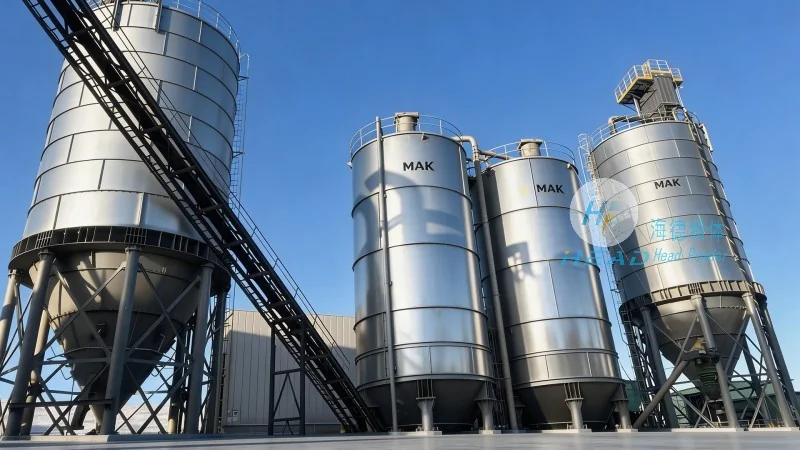
Implementing a magnesium sulfate powder pneumatic conveying system offers several advantages over traditional methods. One of the most significant benefits is the ability to transport the powder in a closed system, which prevents contamination from external sources and minimizes dust exposure for operators. This is particularly important in food and pharmaceutical industries where product purity is critical. Another advantage is the flexibility of the system, as it can be easily adjusted to handle varying flow rates or transport distances without major modifications. The system also reduces the need for manual handling, improving workplace safety and reducing the risk of accidents. Additionally, pneumatic conveying systems can be integrated with other processing equipment, such as mixing or packaging machines, to create a seamless production line. This integration enhances overall operational efficiency and reduces downtime.
Considerations for System Integration and Maintenance
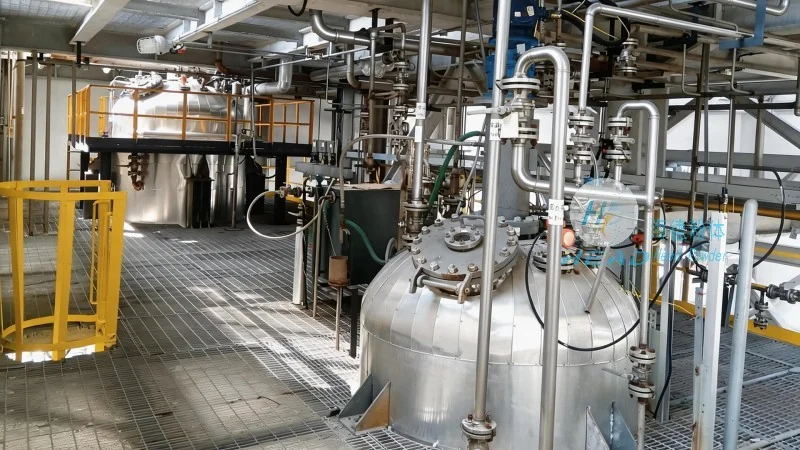
When integrating a magnesium sulfate powder pneumatic conveying system into an existing facility, several considerations must be taken into account. The system must be compatible with the existing infrastructure, including the available air supply and the layout of the plant. The design must also consider the space constraints and the need for easy access to components for maintenance. Regular maintenance is crucial for the longevity and efficiency of the system. This includes cleaning the hopper and conveyor line to prevent caking, inspecting the feeder and filters for wear and tear, and checking the air pressure and flow rates to ensure optimal performance. Proper maintenance not only extends the life of the system but also ensures consistent product quality and reduces the risk of system failures.
Conclusion: The Role of HeadPowder in Providing Solutions
For businesses dealing with magnesium sulfate powder, investing in a well-designed pneumatic conveying system is essential for maintaining operational efficiency and product quality. Shandong HeadPowder Engineering Co., Ltd., with its expertise in powder handling systems, offers tailored solutions that meet the specific needs of each client. By understanding the unique properties of magnesium sulfate and applying sound design principles, their systems ensure reliable and efficient transportation of the material. Whether for industrial or agricultural applications, a magnesium sulfate powder pneumatic conveying system from headpowder provides a robust and effective solution for bulk material handling. With a focus on quality and customer satisfaction, headpowder continues to be a trusted partner in the field of powder processing and conveying.