HeadPowder, a leading engineering company based in Shandong, China, specializes in the design, manufacturing, and implementation of advanced pneumatic conveying systems tailored for epoxy resin handling. This article provides an in-depth exploration of the fundamental principles behind epoxy resin pneumatic conveying, its practical applications across various industries, and the evolving trends that shape this technology's future.
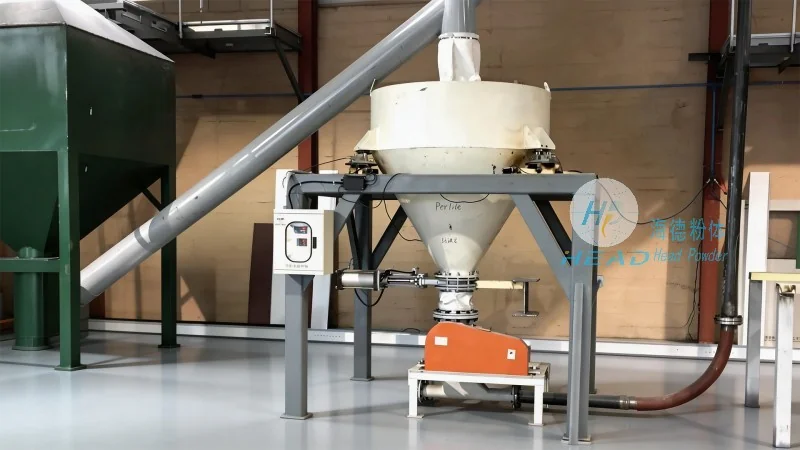
Epoxy resin, a versatile and widely used thermosetting polymer, presents unique challenges when it comes to material handling due to its high viscosity, abrasive properties, and sensitivity to moisture. Traditional methods such as bulk bags or manual handling often lead to inefficiencies, contamination risks, and safety hazards. Pneumatic conveying offers a solution by utilizing air pressure to transport the resin in a closed system, ensuring minimal product degradation and operational safety.
The core principle of epoxy resin pneumatic conveying involves the creation of a consistent air flow through a pipeline network, where the resin is suspended and transported as a dilute or dense phase stream. Key components of the system include the material feed hopper, air supply unit, conveying line, and discharge equipment. The choice between dilute phase (air velocity above the dust lifting velocity) and dense phase (lower air velocity, higher material concentration) depends on the specific characteristics of the epoxy resin and the distance to be covered. For epoxy resins, dense phase conveying is often preferred due to its ability to handle high viscosity materials and reduce particle degradation.
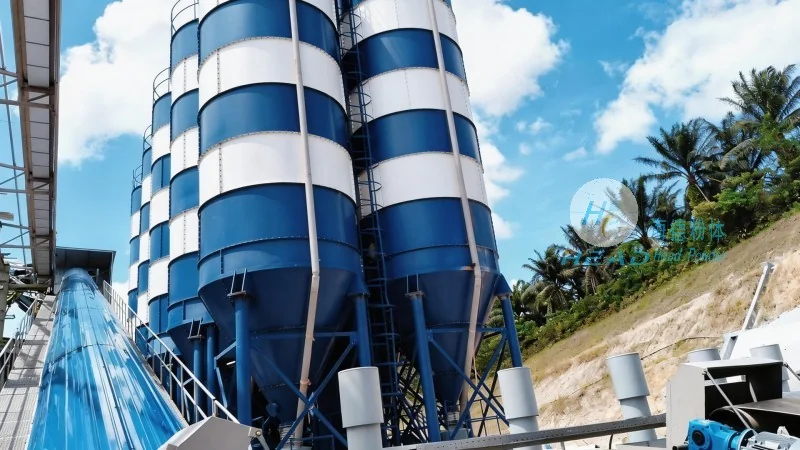
Applications of epoxy resin pneumatic conveying span multiple sectors, including the construction industry for epoxy flooring and coating applications, the electronics industry for potting and encapsulation processes, and the automotive sector for composite part manufacturing. In construction, the technology enables efficient delivery of epoxy resins to job sites, ensuring uniform mixing and application. In electronics, it facilitates the precise dispensing of epoxy for circuit board protection and component encapsulation, minimizing waste and improving product consistency. The automotive industry benefits from the ability to transport epoxy resins for composite material production, supporting the development of lightweight and durable vehicle components.
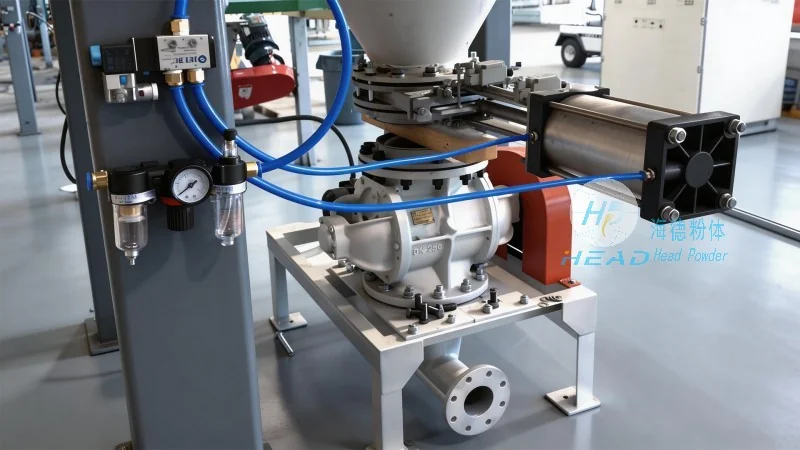
Recent advancements in epoxy resin pneumatic conveying technology focus on enhancing system efficiency, reducing energy consumption, and improving material handling capabilities. Innovations include the integration of smart sensors for real-time monitoring of air pressure, flow rates, and material levels, enabling predictive maintenance and optimized operation. Additionally, the development of more durable and corrosion-resistant materials for conveying lines addresses the challenges posed by epoxy resin's chemical properties, extending system lifespan and reducing maintenance costs. Automation and control system improvements also play a crucial role, allowing for seamless integration with existing production lines and enhancing overall operational reliability.
Future trends in epoxy resin pneumatic conveying are driven by the need for more sustainable and environmentally friendly solutions. The adoption of energy-efficient air compressors and the implementation of closed-loop systems to minimize air leakage are key areas of development. Furthermore, the integration of artificial intelligence and machine learning algorithms is expected to optimize system performance, predict maintenance needs, and adapt to varying material characteristics. As the demand for epoxy resin applications continues to grow, particularly in the construction and electronics sectors, the evolution of pneumatic conveying technology will remain critical in ensuring efficient, safe, and cost-effective material handling.




