

What is Bag Weighing and Feeding Pneumatic Conveying for Powders? Understanding Its Design Principle
This article delves into the technical aspects of bag weighing and feeding systems used in pneumatic conveying for powder materials. These systems are critical in industries where precise material handling and efficient transport are essential. The focus here is on explaining the fundamental concepts and design principles that underpin such systems, with an emphasis on practical applications and engineering considerations.
Introduction to Bag Weighing and Feeding Pneumatic Conveying for Powders
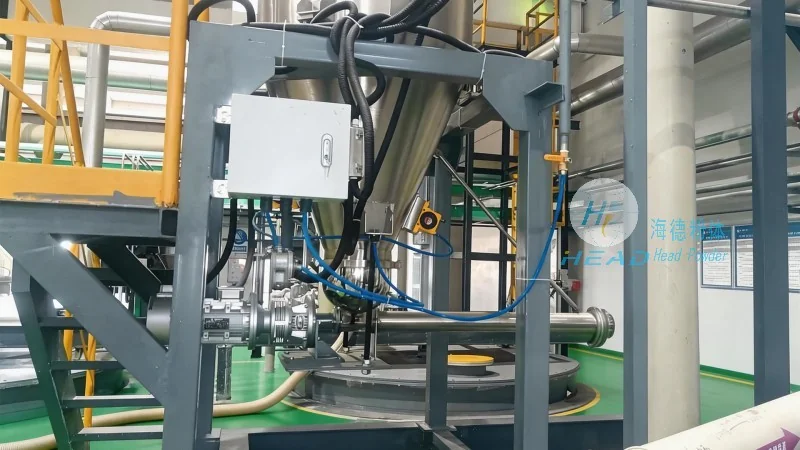
At its core, a bag weighing and feeding system for pneumatic conveying involves the automated measurement and controlled discharge of powder from bulk bags (also known as FIBCs or big bags). The primary goal is to ensure accurate and consistent feeding of the powder into the pneumatic conveying line, which is crucial for maintaining process stability and product quality. This system typically integrates a weighing scale, a feeding mechanism, and a pneumatic conveying component to achieve seamless material transfer.
Understanding the Core Function of Bag Weighing and Feeding Systems
The design of a pneumatic conveying system for powders is governed by several key principles. First, the system must ensure that the powder is conveyed under controlled conditions to prevent degradation, agglomeration, or loss of product integrity. This involves selecting the appropriate conveying air pressure, flow rates, and pipeline design. Second, the system must incorporate robust sealing and filtration to maintain product purity and environmental safety. Third, the design must consider the specific characteristics of the powder, such as particle size, density, and flowability, to optimize performance. These principles are critical for achieving efficient and reliable operation.
Key Components and Their Roles in the System
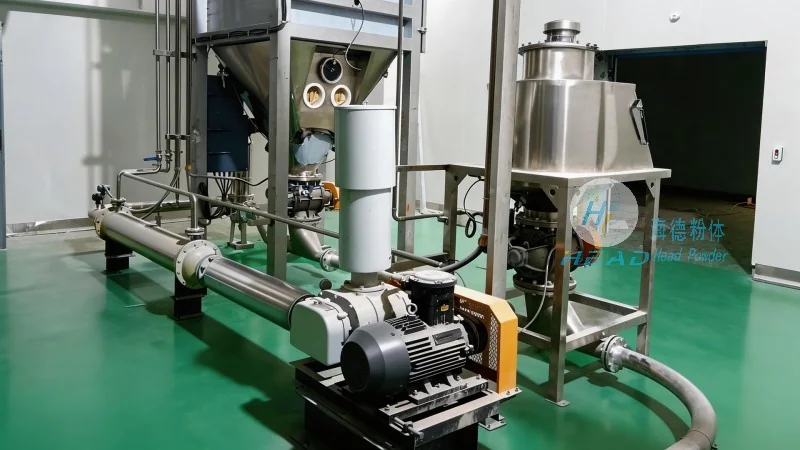
Several key components make up a bag weighing and feeding pneumatic conveying system. The bulk bag discharger, or the bag valve, is the entry point where the powder is released from the bag. The weighing scale, often integrated with the discharger, provides real-time weight data to control the feeding rate. The feeding mechanism, which may include a rotary valve or a screw feeder, regulates the flow of powder from the weighing hopper into the conveying line. The pneumatic conveying pipeline, equipped with air filters and regulators, ensures the powder is transported efficiently to the destination. Each component plays a vital role in maintaining the system's accuracy and reliability.
The Role of HeadPowder in Providing Advanced Solutions
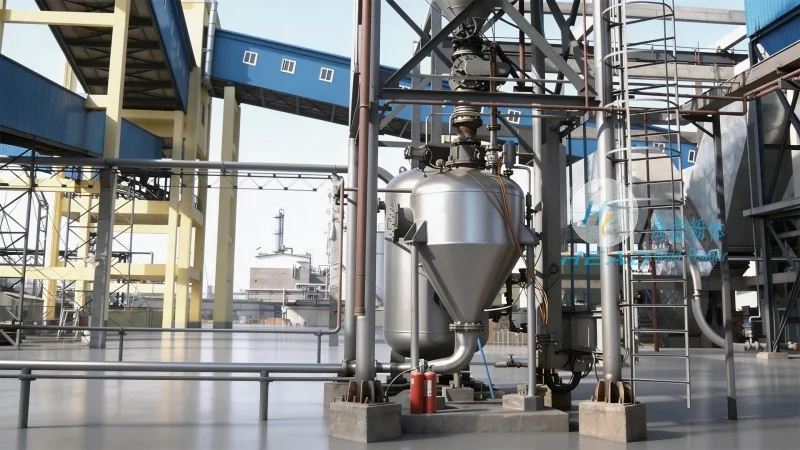
Shandong HeadPowder Engineering Co., Ltd., commonly known as headpowder, is a leading provider of engineering solutions for powder handling systems. With a strong presence in China, particularly in Shandong, the company specializes in designing, manufacturing, and implementing advanced bag weighing and feeding pneumatic conveying systems. HeadPowder's expertise lies in tailoring systems to meet the specific needs of various industries, including pharmaceuticals, food processing, and chemical manufacturing. The company's commitment to quality and innovation ensures that clients receive systems that are not only efficient but also compliant with industry standards and regulations. By leveraging their deep understanding of powder flow dynamics and pneumatic conveying principles, HeadPowder delivers solutions that enhance process efficiency and product quality.
Conclusion
In summary, bag weighing and feeding pneumatic conveying systems are sophisticated engineering solutions that combine precise measurement, controlled feeding, and efficient material transport. The design principles and components work in harmony to ensure that powder materials are handled safely, accurately, and reliably. For industries requiring high standards of material handling, partnering with a reputable provider like Shandong HeadPowder Engineering Co., Ltd. is essential to achieve optimal performance and operational efficiency.