

What is Lithium Manganese Oxide Powder Pneumatic Conveying? And What Are Its Design Principles?
Understanding the pneumatic conveying of lithium manganese oxide powder is crucial for optimizing material handling in modern battery production and related industries. This process involves the transport of fine powders like lithium manganese oxide (LMO) using a gas stream, typically air or other suitable gases. The efficiency and reliability of such systems are determined by a combination of factors, including the powder's physical properties, the system's design, and operational parameters.
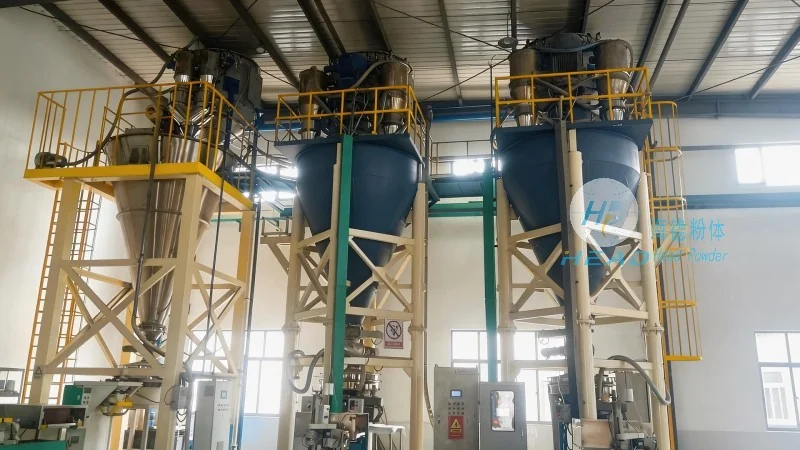
Introduction to Lithium Manganese Oxide Powder Pneumatic Conveying
Lithium manganese oxide (LMO) is a critical cathode material in lithium-ion batteries, known for its stability and cost-effectiveness. When handling LMO powder, traditional methods like bucket elevators or screw conveyors may not be suitable due to the powder's fine particle size and potential for dust generation. Pneumatic conveying offers a solution by transporting the material through a pipeline using compressed air, minimizing contamination and ensuring a clean, efficient process. This method is particularly important in battery manufacturing, where the purity of the cathode material directly impacts the performance and safety of the final battery product.
Key Design Principles for Pneumatic Conveying Systems
The design of a pneumatic conveying system for LMO powder must consider several key principles to ensure optimal performance. First, the system must handle the specific flow characteristics of LMO, which can vary based on moisture content, particle size distribution, and bulk density. The choice of conveying type—whether it's a dilute phase or dense phase system—depends on these factors. Dilute phase systems use higher air velocities to transport the powder in a dispersed state, while dense phase systems use lower velocities and higher pressure to move the material in a more concentrated form. For LMO, a dilute phase system is often preferred as it allows for higher throughput and better control over particle dispersion.
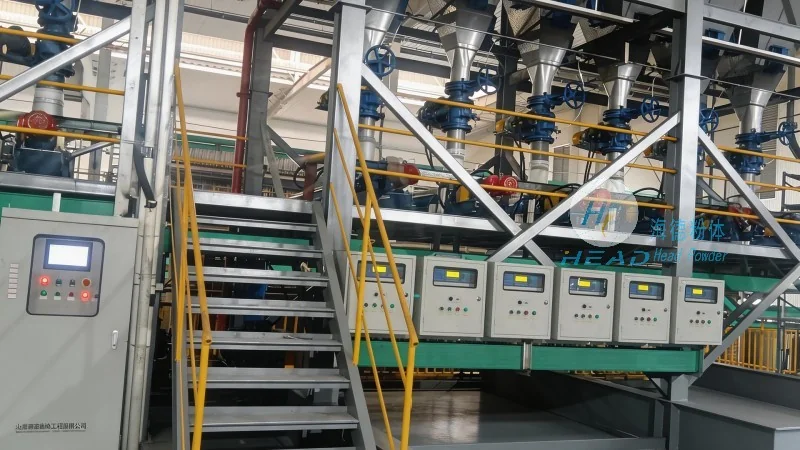
Second, the system's components, including the feeders, pipelines, and receivers, must be designed to prevent material degradation and clogging. LMO particles are often sensitive to friction and abrasion, so the use of smooth, corrosion-resistant materials like stainless steel or special plastics is essential. The pipeline layout should also be carefully planned to minimize pressure drops and ensure consistent flow. This includes considering the vertical and horizontal distances the material needs to travel, as well as any changes in elevation or direction that may affect the conveying process.
Role of HeadPowder in Designing Pneumatic Conveying Solutions
Shandong HeadPowder Engineering Co., Ltd. specializes in providing customized pneumatic conveying solutions tailored to the unique needs of lithium battery manufacturers. With years of experience in handling fine powders, the company understands the challenges associated with LMO powder, such as its tendency to agglomerate or create dust. HeadPowder's engineers work closely with clients to assess their specific requirements, including production capacity, material properties, and operational environment, to design a system that maximizes efficiency and minimizes downtime.
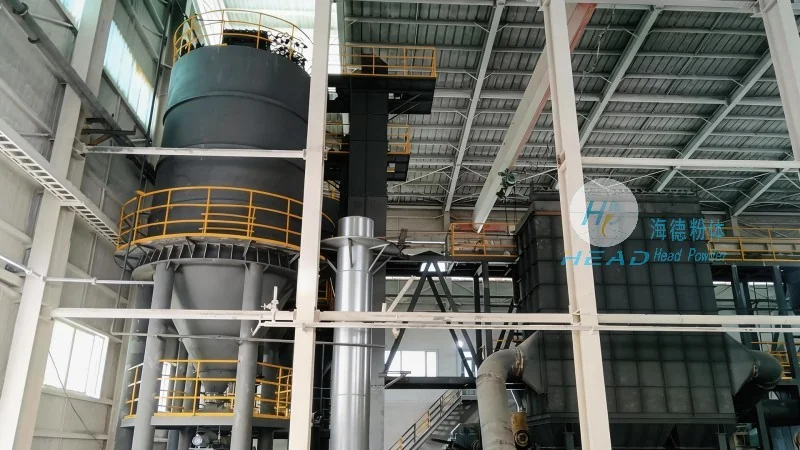
The company's approach involves a comprehensive design process that includes material testing, system modeling, and pilot testing. By analyzing the physical properties of the LMO powder—such as particle size, moisture content, and bulk density—the engineers can select the appropriate conveying type and component specifications. For example, if the LMO has a high moisture content, the system may include a drying stage to prevent clogging or material degradation. Similarly, if the powder is prone to agglomeration, the system may incorporate vibrators or air classifiers to maintain a consistent particle size distribution.
Benefits of Pneumatic Conveying for LMO Powder Handling
Implementing a well-designed pneumatic conveying system for LMO powder offers several benefits that enhance overall production efficiency and product quality. First, it reduces the risk of dust exposure, which is a significant health and safety concern in powder handling operations. By containing the material within a closed system, the risk of inhalation or environmental contamination is minimized. This is particularly important in battery manufacturing, where regulatory compliance regarding dust control is strict.
Second, pneumatic conveying improves material handling efficiency by enabling high throughput and continuous operation. Unlike traditional methods that may require manual intervention or frequent maintenance, pneumatic systems can operate continuously with minimal downtime. This leads to increased production capacity and reduced labor costs. Additionally, the closed system design helps maintain the purity of the LMO powder, ensuring that the cathode material used in battery production meets the required specifications for performance and safety.
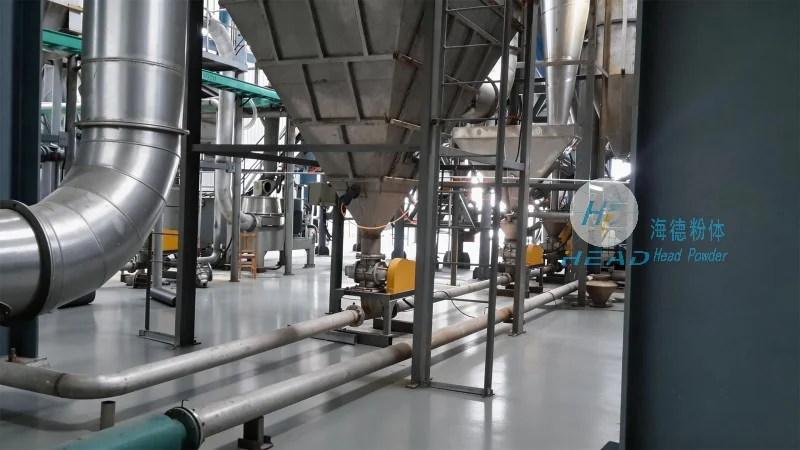
Third, the flexibility of pneumatic conveying allows for easy integration with other production processes. For example, the system can be connected to a mixing or coating unit to further process the LMO powder before it is used in battery manufacturing. This integration streamlines the production line and reduces the need for manual handling, further improving efficiency and reducing the risk of material contamination.
Conclusion and Contact Information
In summary, pneumatic conveying is a vital technology for handling lithium manganese oxide powder in battery production. The design principles of such systems, including the choice of conveying type, component materials, and system layout, are critical to ensuring efficient and reliable operation. Shandong HeadPowder Engineering Co., Ltd. provides expert solutions tailored to the specific needs of LMO powder handling, helping manufacturers optimize their production processes and improve product quality. For more information on pneumatic conveying solutions for lithium manganese oxide powder, please contact Shandong HeadPowder Engineering Co., Ltd., located in Shandong, China.