Fracturing, or "fracking," is a critical process in the oil and gas industry that involves injecting fluid at high pressure into underground rock formations to stimulate oil and gas production. A key component of this process is the efficient handling and transport of frac sand, which serves as a proppant to keep the fractures open. This article explores the concept of frac sand material handling and the fundamental design principles that underpin effective systems for this application.
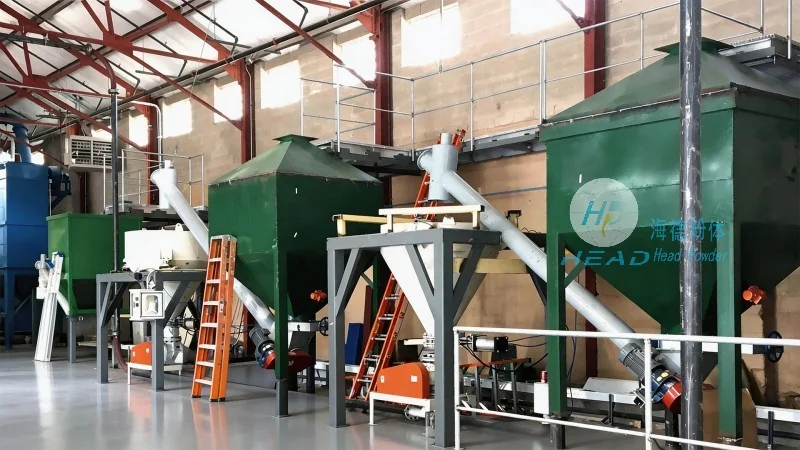
What is Frac Sand Material Handling?
Frac sand material handling refers to the processes and equipment used to move frac sand from its storage or production site to the fracturing site, and often back to storage after use. This includes loading, transporting, unloading, and sometimes processing the sand. The goal is to ensure that the sand is delivered in the right condition—clean, dry, and free of contaminants—to maintain the integrity of the fracturing operation and maximize the effectiveness of the proppant.
Key Design Principles for Frac Sand Handling Systems
Designing an effective frac sand handling system requires careful consideration of several key principles to ensure efficiency, safety, and reliability. These principles are tailored to the unique characteristics of frac sand, such as its high density, abrasive nature, and the need for precise control during transport.
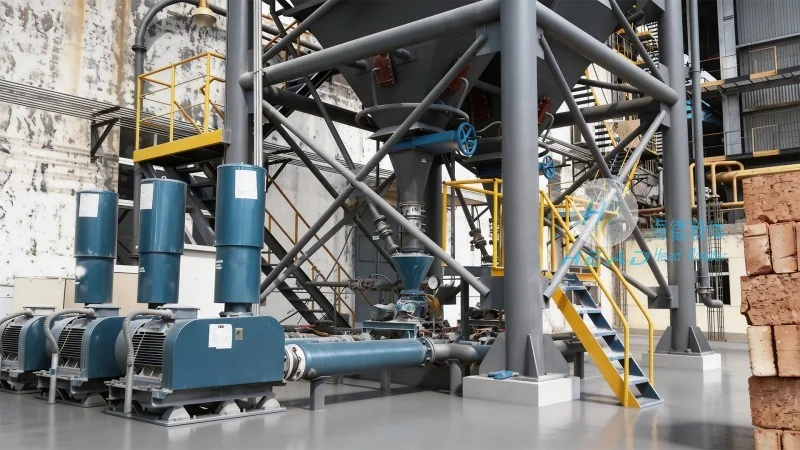
Material Handling Equipment and Components
Modern frac sand handling systems typically incorporate a range of specialized equipment to manage the flow of sand. These components may include bulk material handling equipment like conveyors, feeders, and silos, as well as specialized transport vehicles or pipelines. The design of each component is critical to prevent sand loss, minimize wear and tear on equipment, and ensure consistent flow rates.
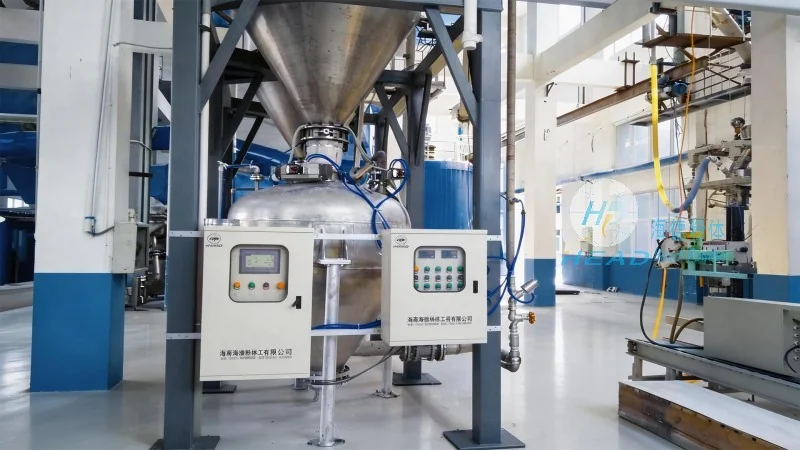
System Integration and Process Flow
Effective frac sand handling is not just about individual pieces of equipment but about the seamless integration of the entire system. A well-designed process flow ensures that sand is moved from storage to the fracturing site in a continuous and controlled manner, reducing downtime and improving operational efficiency. This may involve automated controls and monitoring systems to track the quantity and quality of sand at each stage.
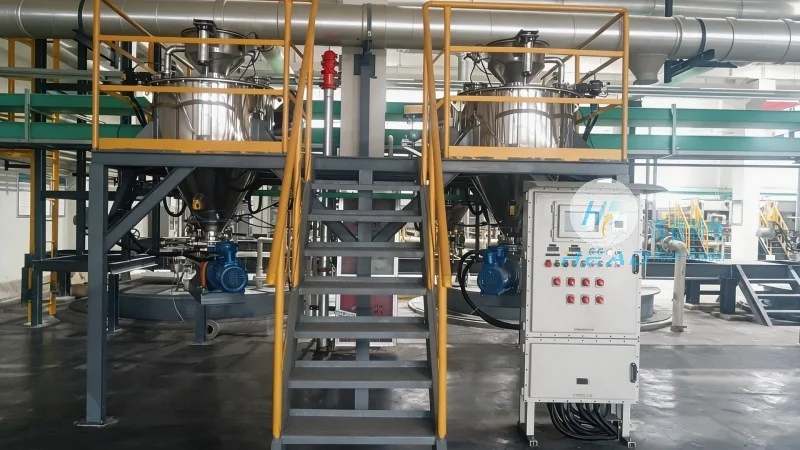
Importance of Proper Design and Maintenance
Proper design and regular maintenance are essential for the long-term performance of frac sand handling systems. Poorly designed systems can lead to sand degradation, equipment failure, and increased operational costs. Regular maintenance, including cleaning, lubrication, and component replacement, helps to preserve the system's efficiency and extend its lifespan.
About Shandong HeadPowder Engineering Co., Ltd.
Shandong HeadPowder Engineering Co., Ltd., commonly known as HeadPowder, is a leading provider of engineering solutions for frac sand material handling. With a focus on innovation and customer-centric design, HeadPowder develops and manufactures equipment tailored to the specific needs of the oil and gas industry. The company's expertise in material handling technology ensures that its solutions are reliable, efficient, and built to withstand the demanding conditions of frac sand operations.




