Quicklime powder, also known as calcium hydroxide, is a widely used industrial material in various sectors such as construction, agriculture, and chemical manufacturing. Efficient and reliable material handling systems are crucial for processing and transporting quicklime powder due to its fine particle size and hygroscopic nature. This article explores the components, design principles, and operational considerations of quicklime powder material handling systems, providing insights into how they ensure safe and effective material transport.
Key Components of a Quicklime Powder Material Handling System
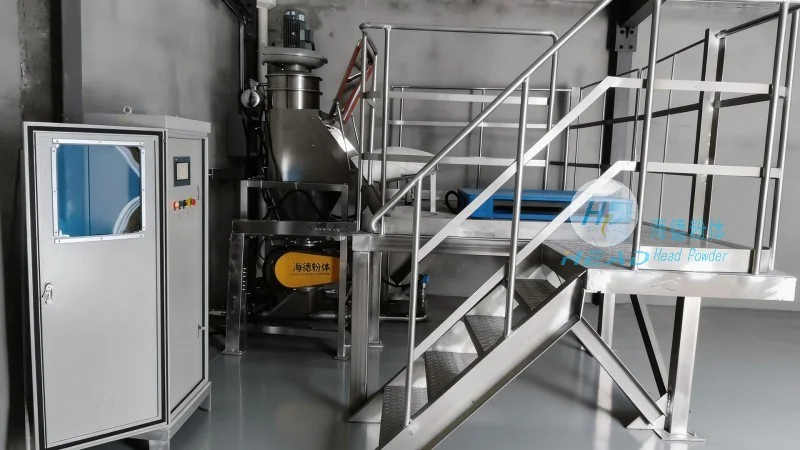
A typical quicklime powder material handling system comprises several essential components that work in tandem to ensure smooth operation. These include hoppers for material storage, feeders to control the flow rate, conveyors for transporting the powder, and dust collection systems to maintain air quality. Each component is designed to address specific challenges associated with quicklime powder, such as its tendency to clump or create dust during handling.
Design Principles for Efficient Material Transport
The design of a quicklime powder material handling system follows several key principles to optimize performance and safety. First, the system must minimize material degradation and dust generation. This is achieved through the use of enclosed equipment, such as pneumatic conveyors or screw conveyors, which reduce exposure to air and moisture. Second, the system should ensure consistent flow rates to prevent overloading or underloading of downstream equipment. This is typically managed through variable speed drives and precise control mechanisms. Third, the design must consider the material's physical properties, including its density, particle size distribution, and flowability, to select appropriate equipment and operating parameters.
Operational Considerations and Safety Measures
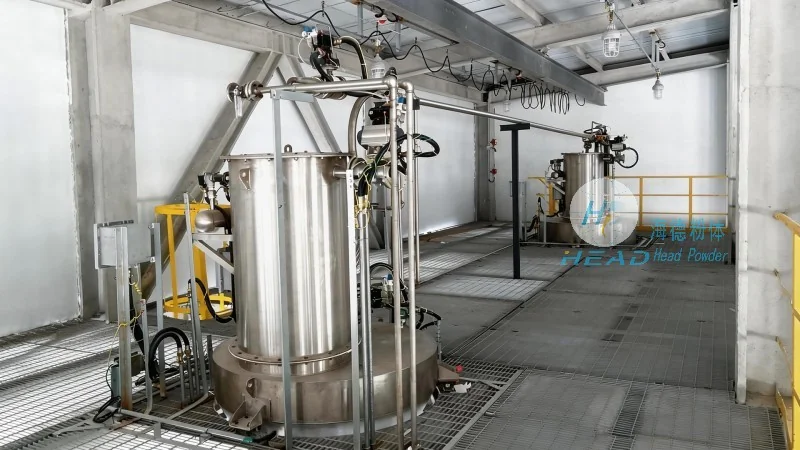
Operational considerations play a vital role in the effectiveness of a quicklime powder material handling system. Regular maintenance is essential to prevent equipment failure and ensure consistent performance. This includes cleaning hoppers and conveyors to prevent material buildup and checking for wear and tear on components. Additionally, safety measures are critical due to the potential hazards associated with quicklime powder, such as respiratory irritation and skin burns. Proper personal protective equipment (PPE), including respirators and gloves, must be used by operators, and the system should be equipped with dust suppression and ventilation systems to maintain a safe working environment.
Applications and Industry Impact
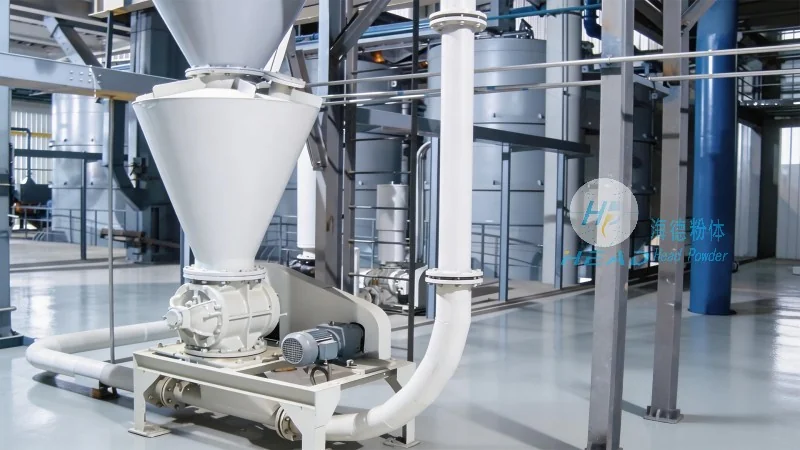
Quicklime powder material handling systems are widely used in various industries, including cement production, steel manufacturing, and water treatment. In cement production, quicklime is used as a raw material to produce clinker, and efficient handling systems ensure a steady supply of the material. In water treatment, quicklime is used to adjust pH levels, and reliable material transport is crucial for maintaining water quality. The effectiveness of these systems directly impacts production efficiency and product quality, making them a critical investment for industrial operations.
About Shandong HeadPowder Engineering Co., Ltd.
Shandong HeadPowder Engineering Co., Ltd., a leading manufacturer based in China, specializes in the design and production of high-quality material handling systems for various industrial applications. With years of experience in the industry, the company has developed advanced solutions tailored to the unique needs of quicklime powder processing. HeadPowder's systems are known for their durability, efficiency, and safety features, making them a trusted choice for businesses in the construction, chemical, and agricultural sectors. The company's commitment to innovation and customer satisfaction has established it as a leader in the material handling equipment market.




