For industrial operations dealing with granular materials, selecting the right conveying system is crucial for efficiency, safety, and cost-effectiveness. Among the various options available, the ABS (Air-Driven Solids) granular material conveying system stands out as a reliable solution. This article delves into the fundamentals of ABS systems, exploring their design principles and how they address the unique challenges of transporting bulk materials.
Introduction to ABS Granular Material Conveying Systems
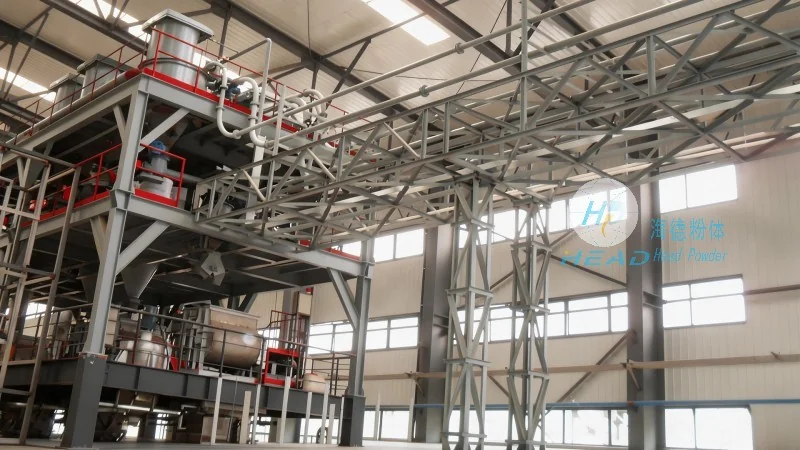
An ABS granular material conveying system is a type of pneumatic conveying equipment designed to transport dry, free-flowing bulk materials such as powders, granules, and small particles through a pipeline using compressed air. Unlike traditional mechanical systems that rely on belts, screws, or buckets, ABS systems utilize air pressure to move materials, offering advantages like reduced maintenance, lower energy consumption, and the ability to handle materials with varying properties.
Key Components of an ABS Conveying System
At the core of an ABS system are several key components that work in tandem to ensure smooth material transport. These include the material feed hopper, which holds the bulk material and feeds it into the system; the air compressor, which generates the necessary compressed air; the conveying line, typically made of flexible or rigid tubing; and the receiver, where the material is deposited at the destination. Each component is carefully designed to optimize performance and durability, ensuring the system can handle the specific demands of the application.
Design Principles of ABS Conveying Systems
The design of an ABS granular material conveying system is guided by several fundamental principles aimed at maximizing efficiency and reliability. One of the primary principles is the balance between air velocity and material flow rate. Engineers must calculate the optimal air velocity to ensure that the material is fully suspended and transported without excessive pressure drop or particle degradation. This involves considering factors such as particle size, density, and moisture content, as these variables directly impact the required air pressure and flow rate.
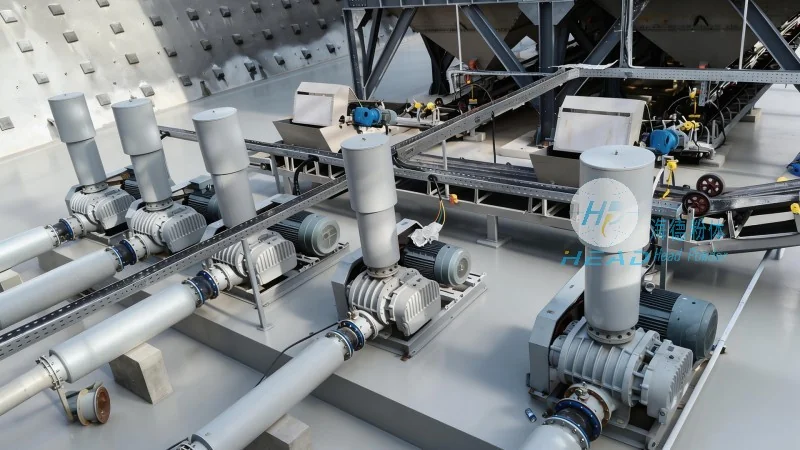
Another critical design principle is the system's pressure drop. The pressure drop across the conveying line is a key factor in determining the energy consumption and overall efficiency of the system. Proper sizing of the air compressor and conveying line diameter is essential to minimize pressure losses while maintaining sufficient air velocity to keep the material in suspension. Additionally, the use of appropriate fittings, elbows, and bends in the pipeline helps to reduce turbulence and maintain consistent material flow.
Advantages of ABS Conveying Systems
ABS granular material conveying systems offer several advantages over traditional mechanical conveying methods. One of the most significant benefits is the reduction in maintenance requirements. Since there are no moving parts in direct contact with the material, the risk of wear and tear is minimized, leading to lower downtime and maintenance costs. Additionally, ABS systems are highly versatile, capable of transporting materials over long distances and through complex layouts, including vertical lifts and multiple branches.
Energy efficiency is another key advantage. By using compressed air as the primary driving force, ABS systems consume less energy compared to mechanical systems that rely on motors and gears. This not only reduces operational costs but also contributes to a lower environmental impact. Furthermore, ABS systems are suitable for handling materials that are sensitive to contamination or degradation, as the enclosed pipeline prevents exposure to external elements.
Applications of ABS Conveying Systems
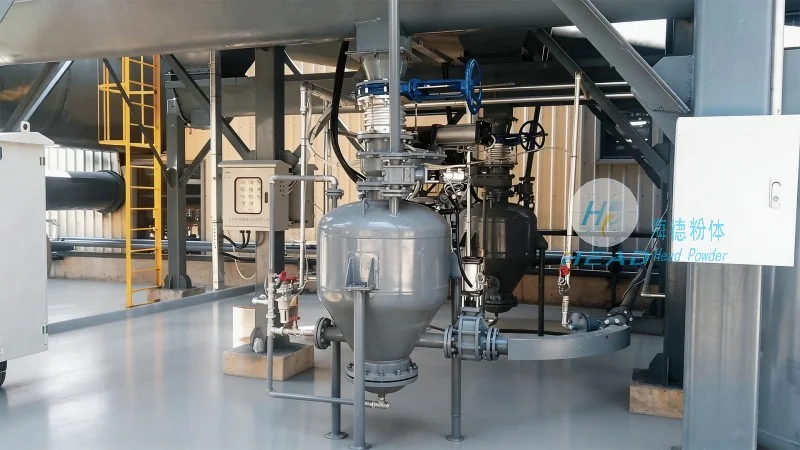
The versatility of ABS granular material conveying systems makes them suitable for a wide range of industrial applications. In the chemical industry, they are commonly used to transport powders such as plastics, pigments, and pharmaceuticals. In the food industry, ABS systems are employed to handle dry ingredients like flour, sugar, and spices, ensuring hygiene and product integrity. The construction industry also benefits from ABS systems for transporting bulk materials such as cement, sand, and gravel, while the mining sector uses them to convey ore and other minerals from processing plants to storage facilities.
Customization and Integration with Industrial Processes
Shandong HeadPowder Engineering Co., Ltd., a leading manufacturer based in China, specializes in designing and manufacturing customized ABS granular material conveying systems tailored to the specific needs of various industries. The company's expertise lies in understanding the unique challenges of each application and providing solutions that enhance operational efficiency and product quality. By integrating ABS systems with existing industrial processes, companies can achieve seamless material flow, reduce bottlenecks, and improve overall productivity.
Conclusion
In conclusion, ABS granular material conveying systems represent a sophisticated and efficient solution for transporting bulk materials in industrial settings. Their design principles, which focus on air velocity control, pressure management, and system optimization, ensure reliable and cost-effective operation. With the support of companies like Shandong HeadPowder Engineering Co., Ltd., industries can leverage these systems to enhance their production processes and meet the demands of modern manufacturing. As technology continues to advance, ABS systems will likely play an increasingly important role in the efficient handling of granular materials worldwide.




