For industrial applications involving magnesium hydroxide, efficient material handling is crucial to ensure smooth production processes and maintain operational efficiency. This article explores the working principle and key features of the specialized equipment designed for transporting and managing magnesium hydroxide materials, highlighting how such systems enhance productivity and safety in industrial settings.
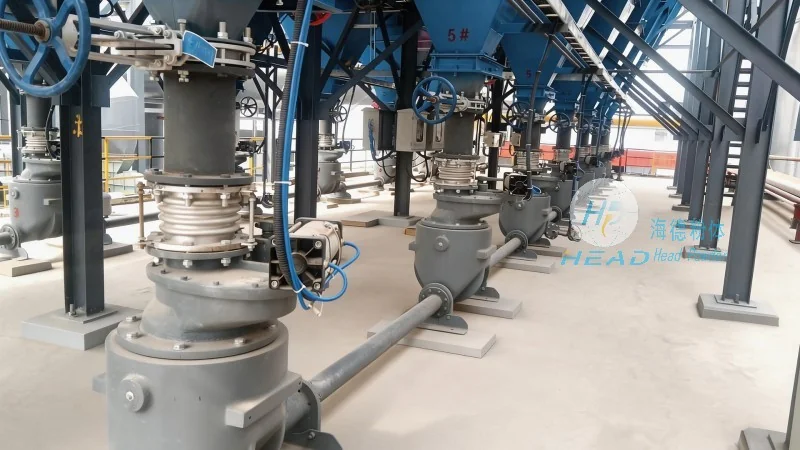
Overview of Magnesium Hydroxide Material Handling Systems
Magnesium hydroxide is a widely used industrial chemical, often employed in applications like flame retardants, rubber, and plastic manufacturing. The material handling systems for magnesium hydroxide must address its physical properties, such as its fine particle size and potential dust generation, to ensure safe and effective transport. These systems are engineered to meet the specific demands of handling this material while maintaining compliance with industrial safety standards.
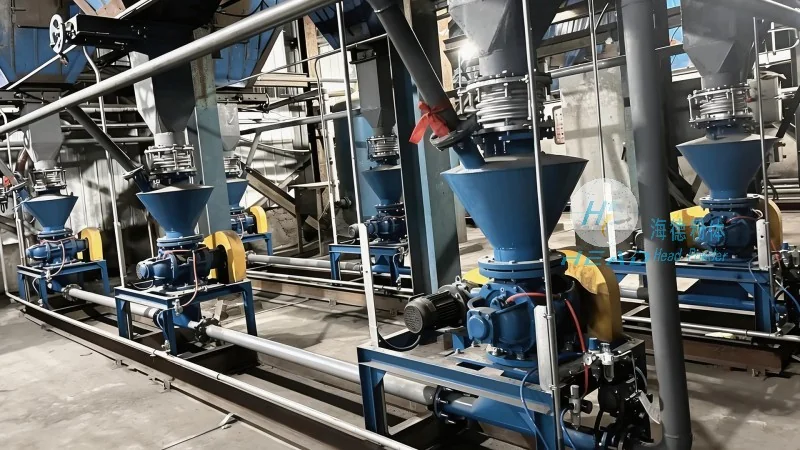
Working Principle of the Material Handling Equipment
The core of magnesium hydroxide material handling systems lies in their integrated design, which typically combines components like conveyors, feeders, and storage silos. The working principle involves the following key steps: material intake from storage silos or bulk containers, uniform feeding through specialized feeders to prevent blockages or uneven flow, and subsequent transport via conveyors (e.g., belt conveyors, screw conveyors, or pneumatic systems) to the processing or packaging areas. Advanced systems may incorporate sensors and control mechanisms to monitor flow rates, detect blockages, and adjust operations in real-time, ensuring consistent and reliable material movement.
Key Features of the Equipment
The equipment used in magnesium hydroxide material handling systems is characterized by several essential features that enhance performance and safety. Firstly, dust control is a critical aspect, as magnesium hydroxide can generate fine dust during handling. The systems often include dust suppression measures, such as sealed enclosures, dust collection systems, and air filtration units, to minimize airborne particles and protect both personnel and the environment. Secondly, the equipment is designed for durability and corrosion resistance, as magnesium hydroxide can be abrasive and may come into contact with moisture or other chemicals. Materials like stainless steel or specialized coatings are used to withstand wear and corrosion, extending the equipment's service life. Thirdly, the systems are equipped with safety features, including emergency stop buttons, overload protection, and interlocks to prevent accidents and ensure operator safety. Additionally, the equipment is often modular and customizable, allowing it to be adapted to different production scales and specific process requirements, making it versatile for various industrial applications.
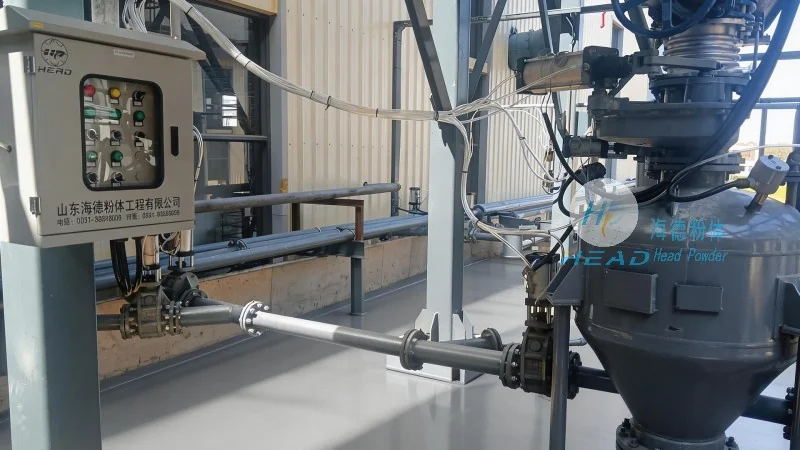
Company Introduction: Shandong HeadPowder Engineering Co., Ltd.
HeadPowder, the manufacturer of these advanced material handling systems, is a leading company in the field of industrial equipment for chemical processing. With a strong focus on innovation and quality, HeadPowder has established itself as a trusted provider of solutions tailored to the needs of the magnesium hydroxide industry. The company's headquarters is located in Shandong, China, where it leverages local expertise and resources to develop cutting-edge equipment that meets international standards. HeadPowder's commitment to customer satisfaction and technical excellence has earned it a reputation for delivering reliable and efficient material handling solutions that enhance operational efficiency and safety for its clients.




