Aluminum nitride (AlN) is a wide-bandgap ceramic material recognized for its exceptional thermal conductivity, electrical insulation properties, and chemical stability. In industrial applications, the efficient handling of AlN materials is vital for preserving product quality and operational efficiency. This article delves into the fundamental aspects of AlN material handling systems and the key design principles that underpin their functionality.
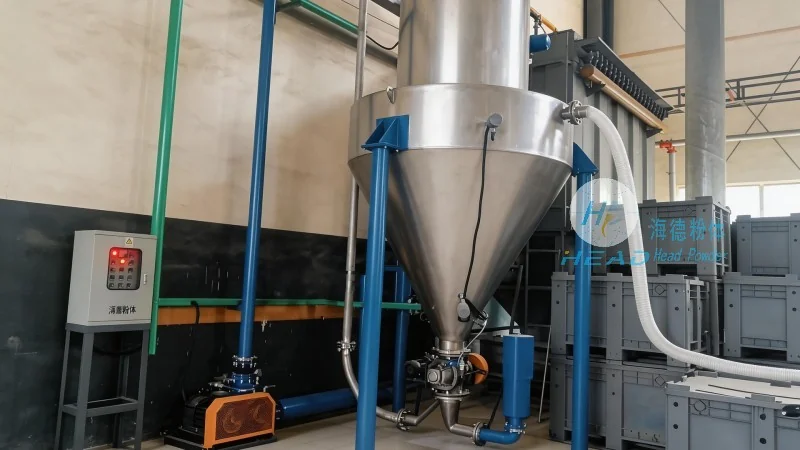
Key Components of Aluminum Nitride Material Handling Systems
Effective AlN material handling typically involves several critical components that collaborate to ensure safe and efficient material movement. These components include material feed mechanisms, conveying systems, storage solutions, and control interfaces. Each component is engineered to address specific challenges associated with AlN's physical properties, such as its brittleness and high thermal conductivity.
Design Principles for Optimal Material Handling
The design of AlN material handling systems follows several core principles aimed at maximizing performance and minimizing risks. These principles include:
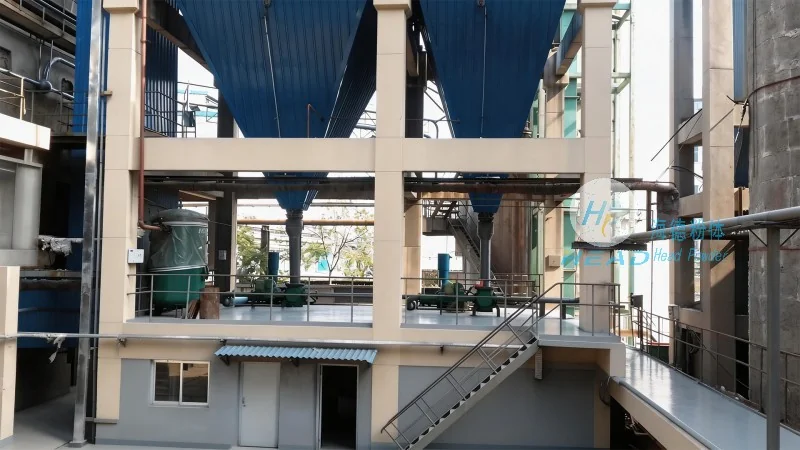
1. **Minimizing Mechanical Stress**: AlN is a brittle material, making it prone to cracking or chipping during handling. Consequently, systems are engineered with gentle handling mechanisms, such as low-friction conveyors and soft contact surfaces, to reduce mechanical stress.
2. **Thermal Management**: Given AlN's high thermal conductivity, temperature control is essential to prevent thermal shock or damage to the material. Designers incorporate thermal insulation and temperature-regulated zones within the handling system to maintain stable conditions.
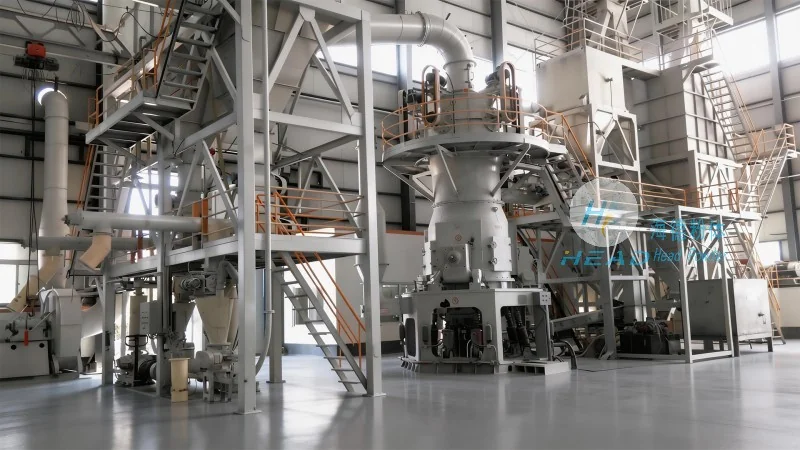
3. **Precision and Control**: The need for consistent material flow and accurate positioning drives the integration of advanced control systems. These systems often include sensors and feedback loops to monitor and adjust the handling process in real-time, ensuring precision and reliability.
Material Feed and Conveyance Solutions
Material feed mechanisms are a critical part of AlN handling systems, as they determine how raw or processed AlN is introduced into the system. Common feed solutions include vibrating feeders, screw conveyors, and belt conveyors, each tailored to the specific characteristics of AlN. For example, screw conveyors are often preferred for their ability to handle fine powders without causing agglomeration, while belt conveyors are suitable for larger AlN pieces.
Storage and Handling Considerations
AlN storage requires careful consideration due to its sensitivity to moisture and contamination. Storage systems are typically designed with sealed containers and moisture-resistant materials to protect the material from environmental factors. Additionally, the layout of storage areas is optimized to facilitate smooth material flow, reducing the need for excessive handling and minimizing the risk of damage.
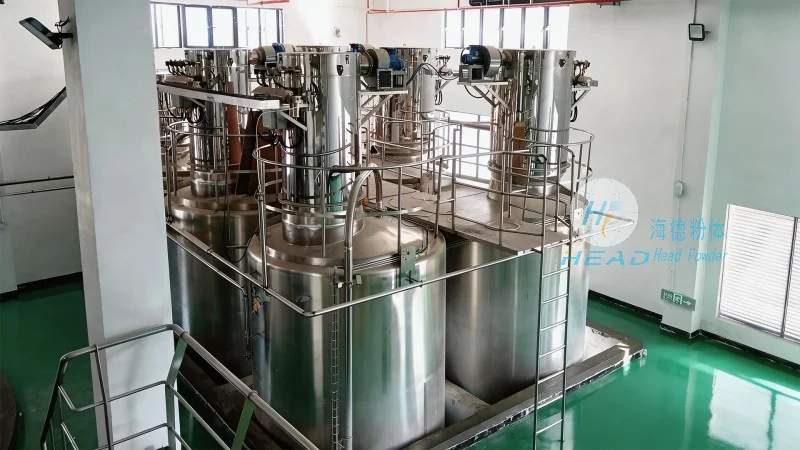
Control and Automation in Material Handling
Modern AlN material handling systems rely heavily on automation and control technologies to enhance efficiency and safety. These systems may include programmable logic controllers (PLCs), sensors for position and temperature monitoring, and software interfaces for process management. Automation allows for consistent operation, reduces human error, and enables remote monitoring of the handling process.
Conclusion
Efficient AlN material handling is a complex process that requires careful consideration of the material's unique properties and the integration of advanced design principles. By focusing on minimizing mechanical stress, effective thermal management, and precise control, manufacturers can develop systems that ensure the quality and integrity of AlN materials throughout the handling process. As a leading provider in this field, Shandong HeadPowder Engineering Co., Ltd. specializes in designing and implementing such systems, leveraging years of expertise to deliver reliable solutions for industrial applications.




