Understanding the design principles of rare earth material conveying is crucial for industries that handle these specialized materials. The process involves efficient and safe transportation of rare earth elements, which are vital for modern technology applications such as electronics, renewable energy, and advanced manufacturing. This article explores the fundamental concepts behind rare earth material conveying systems, focusing on the key design considerations and operational aspects that ensure optimal performance.
Key Components of Rare Earth Material Conveying Systems
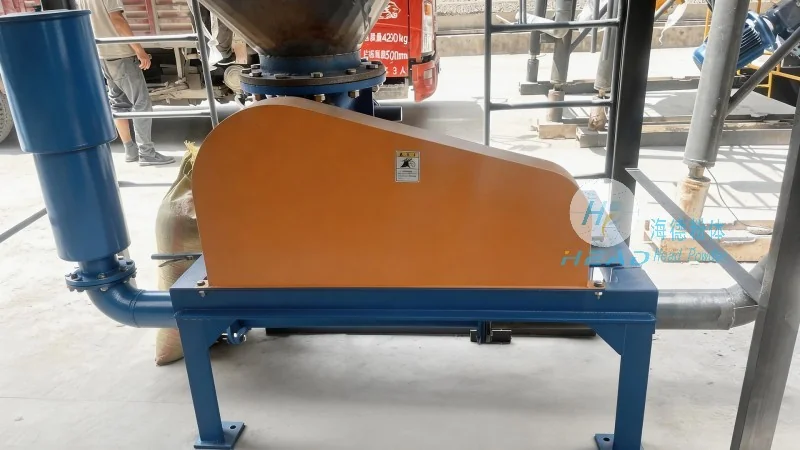
At the core of any rare earth material conveying system are several critical components that work in tandem to ensure smooth and reliable operation. These components include feed hoppers, conveyor belts or screw conveyors, control systems, and material handling equipment. Each component is designed to address specific challenges associated with rare earth materials, such as their abrasive nature and potential for dust generation. For example, feed hoppers are typically constructed from durable materials like stainless steel to prevent material degradation and ensure consistent feeding. Conveyor belts, often made from high-grade rubber or specialized synthetic materials, are chosen for their resistance to wear and tear from rare earth particles. The control systems, which may include sensors and automation software, monitor the flow of materials and adjust conveyor speeds as needed to maintain optimal performance.
Design Principles for Efficient Material Handling
The design of rare earth material conveying systems is guided by several key principles aimed at maximizing efficiency, safety, and durability. One of the primary principles is the minimization of material degradation during transport. This is achieved through the use of specialized materials for conveyor components, such as stainless steel or high-grade alloys, which resist corrosion and wear from rare earth particles. Additionally, the system is engineered to maintain a consistent flow rate, preventing blockages or overloading that could lead to equipment failure. Another critical principle is the reduction of dust generation and airborne particles, which is essential for maintaining a safe working environment and complying with environmental regulations. Enclosed conveyor systems and dust suppression mechanisms are commonly incorporated into the design to address these concerns.
Control Systems and Automation in Rare Earth Conveying
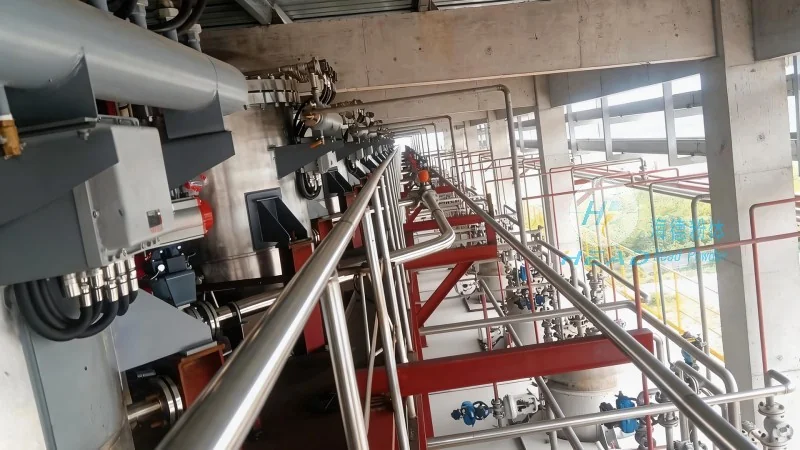
Modern rare earth material conveying systems often incorporate advanced control systems and automation to enhance operational efficiency. These systems use sensors and feedback mechanisms to monitor the flow of materials, adjust conveyor speeds, and detect potential issues like blockages or overfilling. The automation of these processes not only improves productivity but also reduces the risk of human error, ensuring a safer working environment. For instance, Shandong HeadPowder Engineering Co., Ltd., a leading provider of material handling solutions, integrates such advanced control systems into their designs to meet the specific needs of rare earth processing facilities. The company's engineers develop customized control software that can be tailored to the unique requirements of each client, ensuring seamless integration with existing production lines.
Addressing Safety and Environmental Considerations
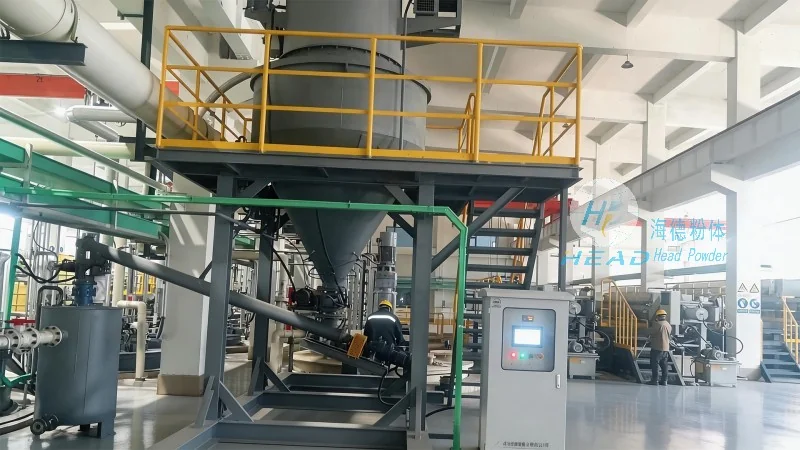
Given the hazardous nature of rare earth materials, particularly their potential to cause respiratory issues or environmental contamination, safety and environmental considerations are paramount in the design of conveying systems. Engineers at Shandong HeadPowder Engineering Co., Ltd. prioritize the implementation of dust suppression measures, such as enclosed conveyor systems and filtration units, to minimize airborne particles. Additionally, the systems are designed with explosion-proof components where necessary, ensuring compliance with safety regulations and protecting personnel and equipment. The company also adheres to strict environmental standards, incorporating features like material recovery and waste management into their designs to minimize the ecological impact of rare earth processing operations.
Customization and Adaptability in System Design
Every rare earth processing facility has unique requirements, and as such, rare earth material conveying systems must be adaptable and customizable. Shandong HeadPowder Engineering Co., Ltd. specializes in tailoring conveying solutions to meet the specific needs of clients, whether it's for small-scale laboratory applications or large-scale industrial production. The company's engineers work closely with clients to assess their material characteristics, production volumes, and operational constraints, then design a system that optimizes performance while minimizing costs. This approach ensures that the conveying system is not only efficient but also cost-effective and sustainable in the long run. For example, a client might require a system that handles a specific type of rare earth oxide with high abrasiveness, and the engineers at HeadPowder will design a conveyor with reinforced components and specialized lubrication to address these challenges.




