Calcium hydroxide, also known as slaked lime, is a versatile industrial chemical widely used in construction, water treatment, and various industrial processes. The efficient and safe transportation of this material is essential for industrial operations, and specialized material conveying lines have been developed to address these needs. This article delves into the working principle and distinctive features of calcium hydroxide material conveying lines, offering a comprehensive understanding of their design, operation, and benefits.
Introduction to Calcium Hydroxide Material Conveying Lines
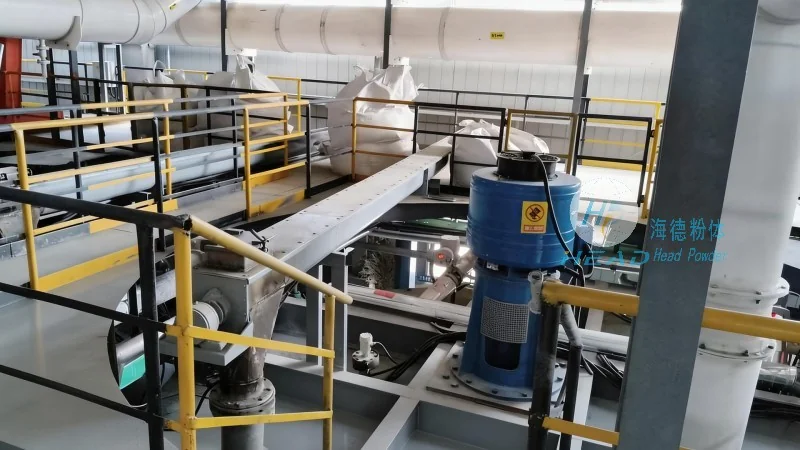
Calcium hydroxide material conveying lines are engineered systems designed to transport calcium hydroxide from storage or processing facilities to end-use applications. These systems are critical for maintaining consistent material flow, ensuring operational safety, and optimizing productivity in industrial settings. The design of these conveying lines considers the physical properties of calcium hydroxide, such as its powder form, moisture sensitivity, and tendency to generate dust, to ensure reliable and efficient operation.
Working Principle of Calcium Hydroxide Material Conveying Lines
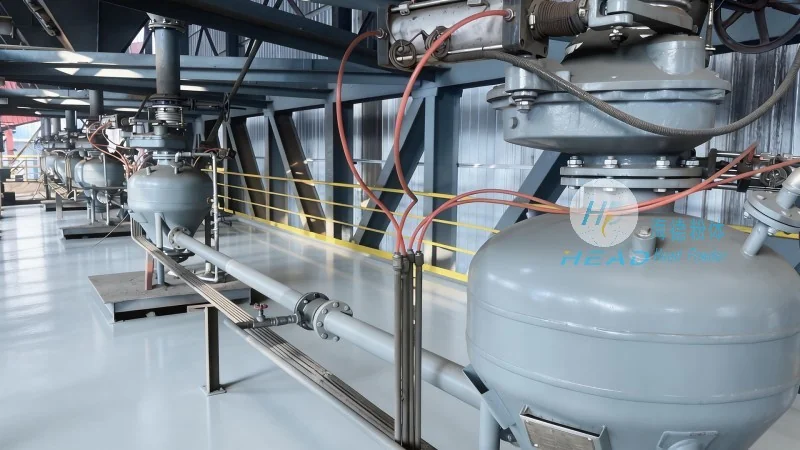
The working principle of calcium hydroxide material conveying lines involves a sequential integration of components to move the material. The primary components include hoppers for material storage, feeders to regulate flow rates, conveyors (such as screw, belt, or pneumatic systems) for transportation, and control systems for process monitoring. The process starts with the material being loaded into the hopper from bulk storage or processing units. The feeder then meters the material at a controlled rate, preventing overloading or underflow. The conveyor system then transports the material to the target destination, such as a processing unit, storage silo, or packaging station. Integrated sensors and automation systems monitor flow rates, pressure, and other parameters to ensure smooth operation and detect any deviations.
Key Features of Calcium Hydroxide Material Conveying Lines
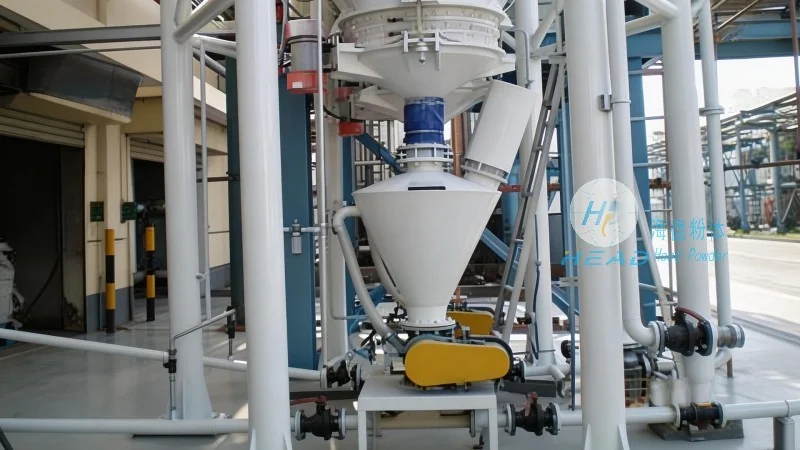
Calcium hydroxide material conveying lines are distinguished by several key features that enhance performance and reliability. One primary feature is the use of dust-proof and sealed components to minimize particle release, which is vital for maintaining air quality and preventing material loss. The systems often incorporate explosion-proof designs to mitigate dust explosion risks, ensuring compliance with safety regulations. Another important feature is the ability to handle varying material flow rates and bulk densities, providing flexibility in different production scenarios. Additionally, the conveyors are engineered to minimize material degradation, such as caking or agglomeration, through gentle handling and appropriate speed controls. The integration of real-time monitoring and control systems offers data-driven insights for proactive maintenance and operational optimization.




