For industrial operations dealing with magnesium oxide, the selection of an efficient and reliable material handling solution is critical. A magnesium oxide pneumatic conveying system represents a sophisticated approach to transporting this material, offering advantages in terms of safety, efficiency, and process control. This article explores the fundamental aspects of such systems, including their design principles and the key components that make them effective for handling magnesium oxide.
Understanding Magnesium Oxide Pneumatic Conveying Systems
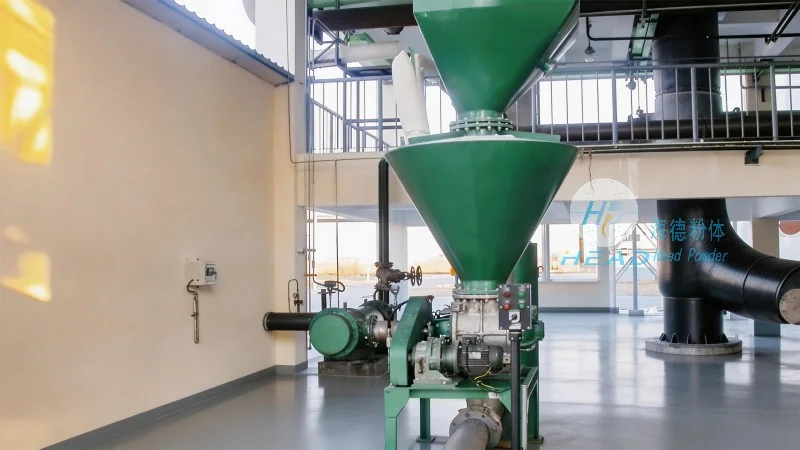
Magnesium oxide, also known as magnesia, is a white crystalline solid widely used in various industries, including construction, pharmaceuticals, and chemical manufacturing. Due to its fine particle size and potential for dust generation, traditional bulk material handling methods may pose challenges in terms of safety and operational efficiency. Pneumatic conveying systems provide an ideal solution by utilizing air to transport the material through a network of pipes, eliminating the need for mechanical components that could introduce contamination or wear.
The Core Design Principles of Pneumatic Conveying Systems
The design of a magnesium oxide pneumatic conveying system is based on the principles of fluid dynamics and material handling. The system typically operates by creating a pressure differential or using vacuum to move the material. In pressure systems, compressed air is introduced into the conveying line, while in vacuum systems, a vacuum is created to draw the material from the source. The choice between these two depends on factors such as the distance to be covered, the material's properties, and the required flow rate.
Key design considerations include the selection of appropriate air velocities to prevent particle deposition and ensure smooth flow. For magnesium oxide, which has a relatively low density and fine particle size, air velocities are often optimized to maintain a dilute phase flow, where particles are suspended in the air stream. This dilute phase operation minimizes blockages and reduces the risk of material degradation. Additionally, the system's design must account for the material's reactivity and potential for caking, ensuring that the conveying lines are constructed from materials that are compatible with magnesium oxide to prevent corrosion or contamination.
Components and Operational Mechanisms
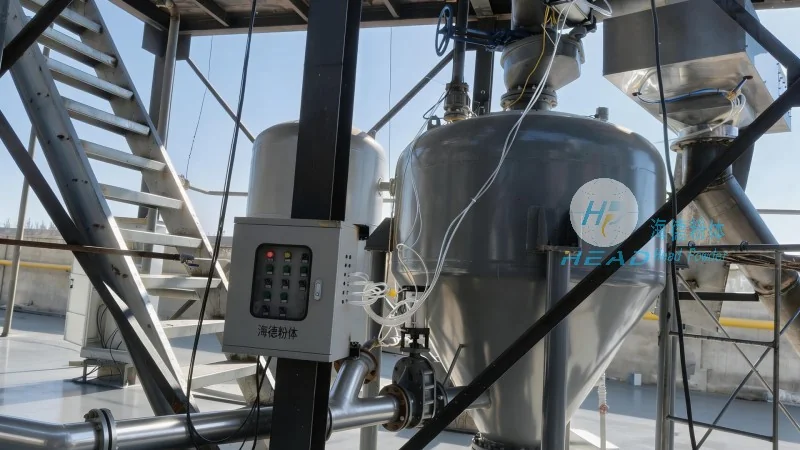
A typical magnesium oxide pneumatic conveying system consists of several key components. The primary elements include a material feed hopper, a conveying line (often made of stainless steel or other corrosion-resistant materials), a venturi or airlock for material discharge, and a dust collection system. The feed hopper is designed to store the magnesium oxide and provide a controlled feed rate into the conveying line. The conveying line is equipped with bends, elbows, and straight sections to guide the material and air mixture through the system. The venturi or airlock at the discharge end allows for the controlled release of the material while maintaining the air flow, preventing backflow and ensuring consistent delivery.
The dust collection system is a critical component, as magnesium oxide is a fine powder that can generate significant dust during handling. This system typically includes filters or cyclones to capture the fine particles, ensuring compliance with environmental regulations and maintaining a safe working environment. The air used in the system is often filtered and recycled to minimize waste and energy consumption.
Advantages of Using a Magnesium Oxide Pneumatic Conveying System
Implementing a pneumatic conveying system for magnesium oxide offers several advantages over traditional methods. Firstly, it enhances safety by eliminating the need for manual handling of fine powders, reducing the risk of inhalation and dust-related health issues. Secondly, it improves operational efficiency by providing a continuous and controlled flow of material, minimizing downtime and labor costs. Thirdly, the system's design allows for easy integration into existing industrial processes, enabling seamless material transfer from storage to processing equipment.
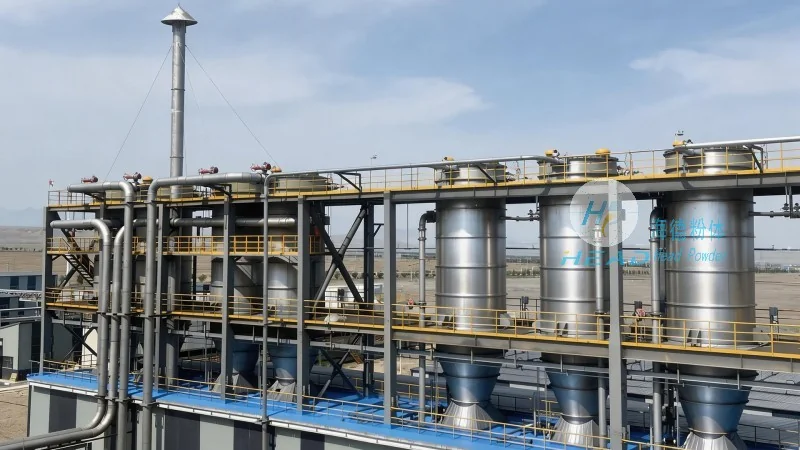
Furthermore, pneumatic conveying systems offer flexibility in terms of layout and scalability. They can be customized to accommodate varying material volumes and distances, making them suitable for both small-scale and large-scale industrial applications. The use of corrosion-resistant materials in the construction of the conveying lines ensures long-term durability and low maintenance costs, contributing to the overall cost-effectiveness of the system.
Company Background: Shandong HeadPowder Engineering Co., Ltd.
HeadPowder, a leading manufacturer of material handling solutions, specializes in designing and supplying pneumatic conveying systems tailored to the needs of various industries. With a focus on innovation and quality, the company has established itself as a trusted partner for businesses requiring reliable and efficient material transport solutions. HeadPowder's expertise in handling fine powders, such as magnesium oxide, is built on years of experience and a commitment to meeting the highest standards of performance and safety.
HeadPowder's facilities are located in Shandong, China, where the company leverages advanced manufacturing technologies and a skilled workforce to produce high-quality pneumatic conveying systems. The company's products are designed to meet international standards and are backed by comprehensive technical support and after-sales service, ensuring that clients receive the best possible solution for their material handling challenges.




