For manufacturers in the lithium battery industry, the efficient and safe handling of positive and negative electrode materials is a critical aspect of production. A pneumatic conveying system specifically designed for these materials offers a solution that addresses the unique challenges associated with handling powders and granules used in battery manufacturing. This article explores the concept of such a system and delves into its fundamental design principles, providing insights into how it operates and why it is essential in modern battery production.
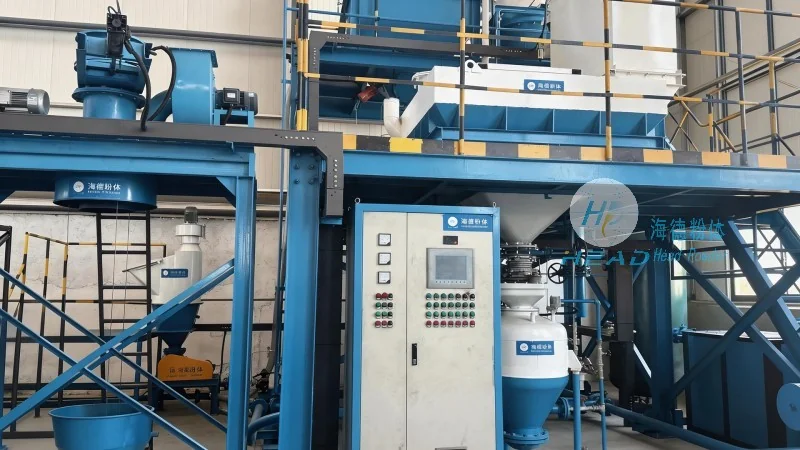
Pneumatic Conveying Systems: An Overview
A pneumatic conveying system is a technology that uses air or gas to transport bulk materials, such as powders and granules, from one location to another. In the context of lithium battery production, these systems are specifically engineered to handle the positive and negative electrode materials, which are typically fine powders or coated particles. The primary goal of these systems is to move these materials with precision, ensuring minimal loss, contamination, and damage during the transfer process. This is crucial because electrode materials are sensitive to moisture, temperature, and physical stress, which can affect the performance and lifespan of the final battery product.
Key Components of a Lithium Battery Electrode Material Pneumatic Conveying System
At the core of any pneumatic conveying system for lithium battery materials are several key components that work in tandem to ensure efficient material transfer. These components include:
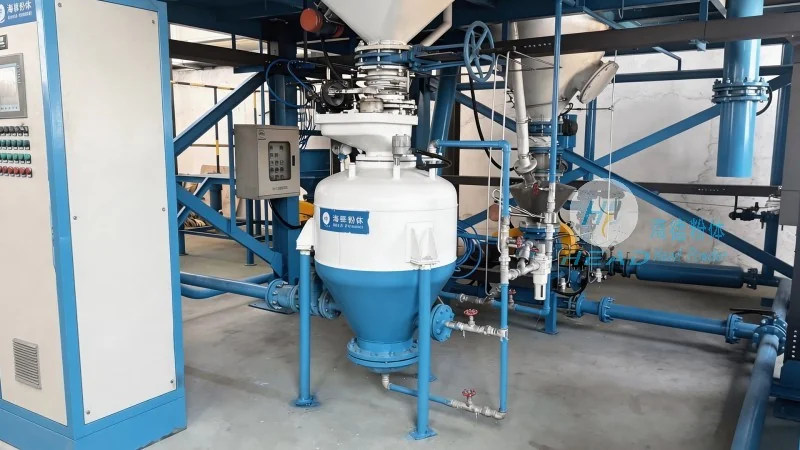
1. Feeder: The feeder is responsible for feeding the electrode material into the conveying line at a controlled rate. It ensures a consistent flow of material, preventing blockages and maintaining the integrity of the material being transported. For lithium battery materials, specialized feeders are used to handle fine powders without causing agglomeration or degradation.
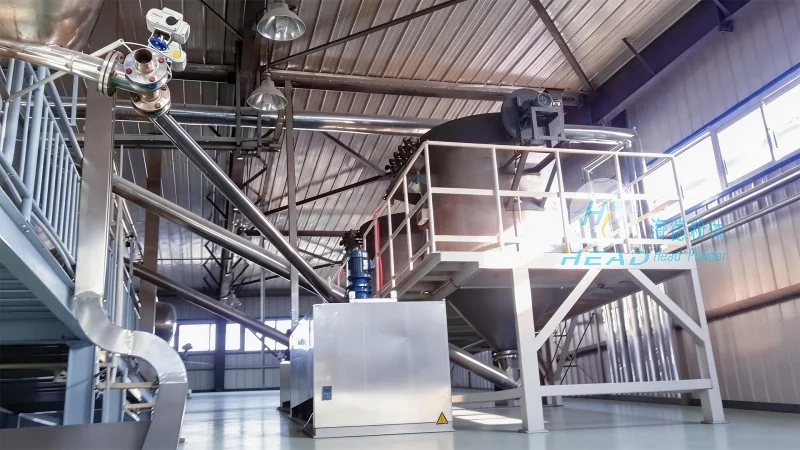
2. Conveying Line: The conveying line is the main channel through which the material is transported. It can be either a rigid pipe system or a flexible hose, depending on the application. The design of the line is critical to minimize material degradation and ensure efficient flow. The line is typically made of materials that are resistant to corrosion and wear, such as stainless steel or specialized polymers.
3. Pressure or Vacuum System: The system uses either pressure or vacuum to move the material through the line. In pressure systems, compressed air is used to push the material forward, while vacuum systems use suction to pull the material. The choice between pressure and vacuum depends on factors such as the material's properties, the distance to be covered, and the desired flow rate. For lithium battery materials, pressure systems are often preferred as they provide better control over the material's movement and can handle a wider range of particle sizes.
4. Separation and Collection Equipment: At the end of the conveying line, the material is separated from the air and collected in a storage or processing vessel. This equipment includes filters, cyclones, and dust collectors, which are essential for maintaining the purity of the electrode material and preventing environmental contamination. The design of these components is critical to ensure that no material is lost during the process and that the collected material is free from contaminants.
Design Principles for Efficient Material Handling
The design of a pneumatic conveying system for lithium battery electrode materials is guided by several key principles aimed at optimizing performance, safety, and material integrity. These principles include:
1. Material Compatibility: The system must be designed to handle the specific properties of the electrode materials, such as their particle size, moisture content, and chemical composition. This involves selecting appropriate materials for the components, such as the feeder and conveying line, to prevent corrosion or reaction with the material being transported.
2. Flow Rate and Pressure Control: Precise control over the flow rate and pressure is essential to ensure that the material is transported at the optimal speed without causing excessive wear or degradation. This is achieved through the use of adjustable valves, pressure regulators, and flow meters, which allow operators to fine-tune the system's performance based on the specific requirements of the material being handled.
3. Minimization of Material Degradation: Electrode materials are sensitive to physical and chemical changes, which can affect their performance in the final battery. The design of the system must minimize factors that could cause degradation, such as high temperatures, excessive shear forces, or exposure to air. This is achieved through the use of low-temperature conveying, gentle material handling, and proper sealing to prevent contamination.
4. Safety and Environmental Considerations: The system must be designed with safety in mind, including features such as explosion-proof components, overpressure relief valves, and dust collection systems to prevent environmental contamination. Additionally, the system should be designed to minimize the risk of fire or explosion, which can occur with certain electrode materials that are flammable or reactive.
Applications and Benefits of Pneumatic Conveying Systems
Pneumatic conveying systems for lithium battery electrode materials are used in various stages of the battery production process, including material preparation, mixing, coating, and packaging. The benefits of using such a system include:
1. Improved Efficiency: The system allows for the rapid and continuous transfer of materials, reducing production time and increasing overall throughput. This is particularly important in high-volume battery manufacturing, where efficiency is critical to meeting demand.
2. Enhanced Product Quality: By minimizing material loss, contamination, and degradation, the system helps to maintain the quality and consistency of the electrode materials, which in turn improves the performance and lifespan of the final battery product.
3. Space Savings: Pneumatic conveying systems can be designed to fit into tight spaces, making them ideal for facilities with limited floor space. The compact design of the system also reduces the need for additional equipment and infrastructure.
4. Reduced Labor Costs: While manual handling of electrode materials can be labor-intensive and hazardous, pneumatic conveying systems automate the process, reducing the need for manual labor and associated costs. This also improves workplace safety by eliminating the risk of handling powders manually.
Conclusion
A pneumatic conveying system for lithium battery positive and negative electrode materials is a sophisticated piece of equipment that plays a vital role in the battery manufacturing process. By understanding its design principles and components, manufacturers can optimize their production processes, improve product quality, and enhance overall efficiency. The system's ability to handle sensitive materials with precision and care makes it an indispensable tool in the modern lithium battery industry. As the demand for lithium batteries continues to grow, the importance of such systems will only increase, making them a key investment for any battery manufacturer looking to stay competitive in the market.




