HeadPowder, a leading engineering firm based in Shandong, China, specializes in the design and implementation of advanced pneumatic conveying systems for heavy powder handling. This article explores the fundamental aspects of heavy powder pneumatic conveying systems, including their operational principles and key design considerations.
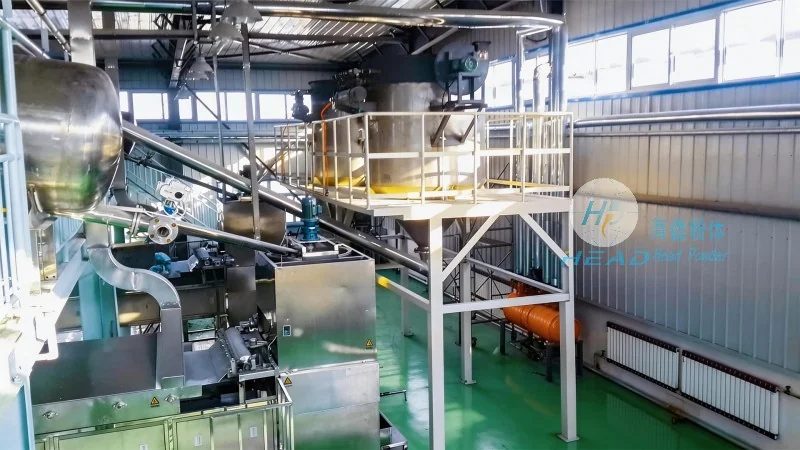
Understanding Heavy Powder Pneumatic Conveying Systems
A heavy powder pneumatic conveying system is a specialized technology used to transport bulk powders through a pipeline using compressed air or other gas as the conveying medium. Unlike traditional mechanical conveyors, this system relies on the kinetic energy of the gas to move the powder particles, making it particularly suitable for handling materials that are difficult to transport via conventional methods, such as abrasive, corrosive, or high-value powders.
These systems are widely employed in industries like pharmaceuticals, food processing, chemicals, and mining, where the need for clean, efficient, and low-maintenance material transport is critical. The primary advantage of pneumatic conveying is its ability to handle a wide range of powder characteristics while minimizing product contamination and ensuring consistent flow rates.
Core Components of a Heavy Powder Pneumatic Conveying System
The design of a heavy powder pneumatic conveying system involves several critical components, each playing a vital role in the overall operation. The main components typically include:
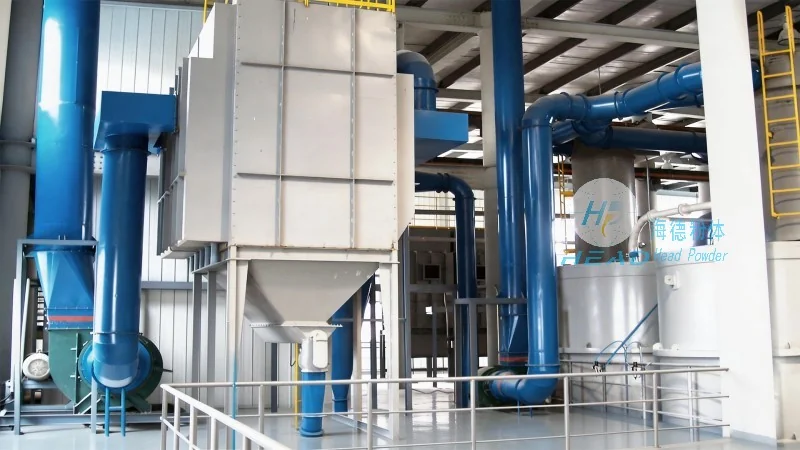
- Compressor or Blower: Provides the necessary pressure and airflow to move the powder particles through the system. The choice between a compressor and a blower depends on the system's pressure requirements and the type of powder being conveyed.
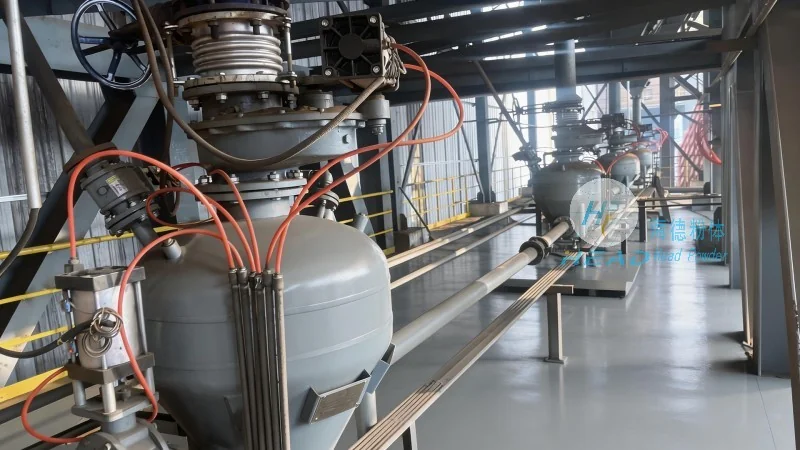
- Pneumatic Conveying Line: A network of pipes that transports the powder from the source to the destination. The line is usually made of materials like stainless steel or plastic, chosen based on the powder's chemical compatibility and abrasiveness.
- Pneumatic Conveying Hopper or Silo: A storage vessel where the powder is loaded before being conveyed. This component often includes a feeder or valve to control the flow of powder into the system.
- Receiver or Discharge Hopper: The final storage or processing vessel where the powder is deposited after being conveyed. It may include a discharge valve or conveyor to transfer the material to the next stage of the process.
- Control System: A set of sensors, valves, and controls that monitor and regulate the system's operation, ensuring optimal performance and preventing issues like blockages or pressure fluctuations.
Design Principles and Key Considerations
The design of a heavy powder pneumatic conveying system requires careful consideration of several factors to ensure efficiency, reliability, and safety. Key design principles include:
1. Powder Characteristics: The physical and chemical properties of the powder, such as particle size, density, moisture content, and flowability, significantly impact the system's design. For example, fine powders may require higher air velocities to prevent settling, while coarse or abrasive powders may need specialized equipment to minimize wear and tear.
2. System Pressure and Airflow: The pressure and airflow rates are critical parameters that determine the system's capacity and efficiency. Higher pressure systems are suitable for longer distances or higher material loads, while lower pressure systems are more energy-efficient for shorter distances or lighter loads.
3. Material Handling Requirements: The system must be designed to meet the specific handling requirements of the application, including the need for clean transfer, minimal product degradation, and compliance with industry regulations. For instance, in the pharmaceutical industry, the system must be designed to prevent cross-contamination and maintain product sterility.
4. Energy Efficiency and Maintenance: Modern designs emphasize energy efficiency and ease of maintenance. This includes selecting appropriate equipment, optimizing airflow, and incorporating features like automatic cleaning or self-cleaning filters to reduce downtime and operational costs.
Applications and Benefits
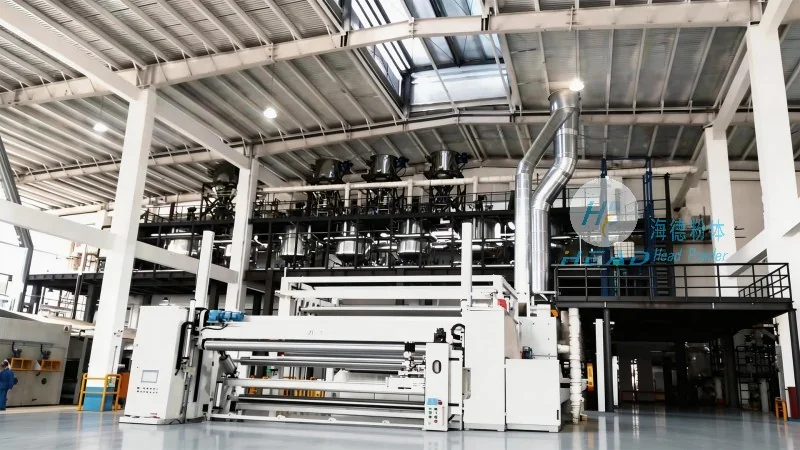
Heavy powder pneumatic conveying systems are used in a variety of applications across different industries. Some common applications include:
- Pharmaceutical Manufacturing: Transporting active pharmaceutical ingredients (APIs), excipients, and finished products with high precision and minimal contamination.
- Food Processing: Handling powders like sugar, flour, and spices in food production facilities, ensuring hygiene and consistent quality.
- Chemical Industry: Conveying corrosive or reactive powders, such as chemicals used in manufacturing, while protecting equipment and personnel.
- Mining and Minerals: Transporting raw materials like coal, ore, and minerals from processing plants to storage or processing facilities.
The benefits of using a heavy powder pneumatic conveying system include improved process efficiency, reduced labor costs, enhanced product quality, and increased safety compared to traditional mechanical conveyors. Additionally, these systems can be integrated with other processing equipment, creating a seamless material handling workflow.
Conclusion
Heavy powder pneumatic conveying systems are sophisticated solutions for efficient and reliable bulk powder transport. By understanding the core components, design principles, and applications, industries can leverage this technology to enhance their operational performance and meet the demands of modern manufacturing. As a leading provider of engineering solutions, Shandong HeadPowder Engineering Co., Ltd. specializes in designing and implementing customized pneumatic conveying systems tailored to the unique needs of each client, ensuring optimal performance and long-term reliability.




