Coal powder pneumatic conveying systems are industrial equipment designed to transport coal powder through a pipeline using air as the conveying medium. This technology is widely used in power plants, cement factories, and other industrial facilities where bulk material handling is required. The system's core function is to move coal powder from a storage silo or hopper to a burner or other processing equipment efficiently and reliably. Understanding the design principles of such systems is crucial for optimizing performance, ensuring safety, and maintaining operational efficiency.
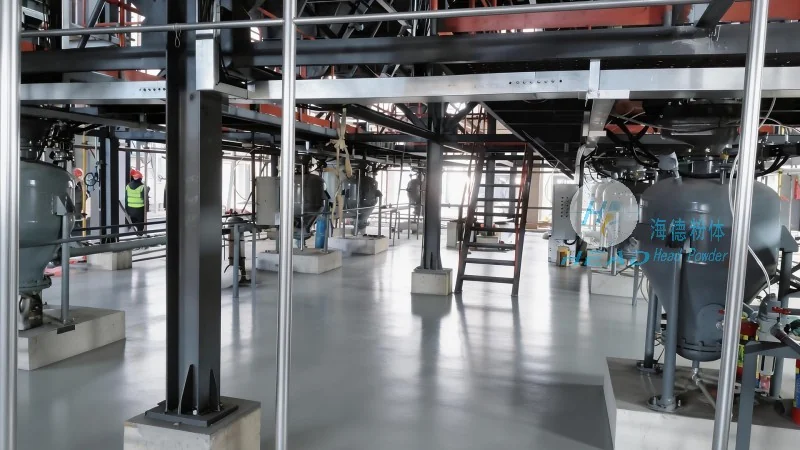
Introduction to Coal Powder Pneumatic Conveying Systems
A coal powder pneumatic conveying system typically consists of several key components, including a hopper or silo for material storage, a feeder to control the flow rate, a conveying pipeline, a blower or compressor to generate the air flow, and a receiver or destination vessel. The system operates by introducing air into the material stream, creating a mixture of coal powder and air that is then propelled through the pipeline to the target location. This method offers advantages over traditional mechanical conveying, such as reduced equipment wear, lower maintenance costs, and the ability to handle fine powders that are difficult to transport by other means.
Key Design Principles of Coal Powder Pneumatic Conveying Systems
The design of a coal powder pneumatic conveying system involves several critical principles aimed at ensuring efficient and safe operation. One of the primary principles is the selection of appropriate air velocity and pressure. The air velocity must be sufficient to keep the coal powder suspended in the air stream, preventing particle settling and blockages in the pipeline. Typically, the air velocity is maintained at a level that ensures the particle Reynolds number is within a range that promotes stable suspension. The pressure level is determined by the system's layout, including the vertical and horizontal distances the material needs to travel, as well as any obstacles or bends in the pipeline.
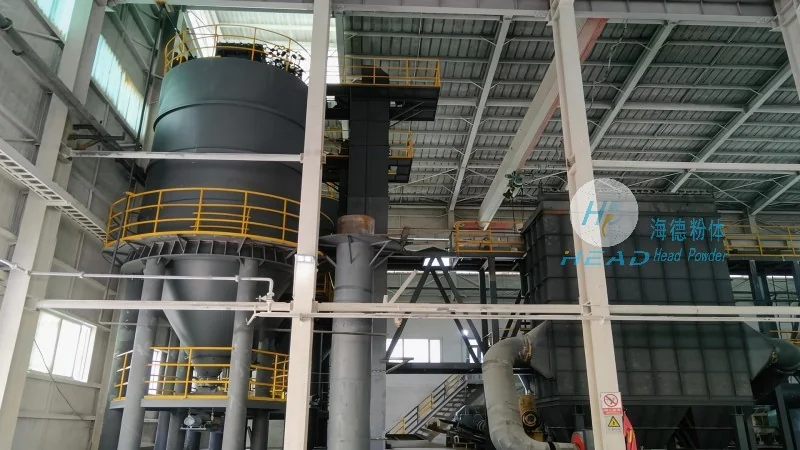
Another important design principle is the proper sizing of the conveying pipeline. The diameter of the pipeline is critical to maintaining the required air velocity and minimizing pressure drop. A larger diameter reduces friction losses and allows for higher material flow rates, but it also increases system cost and space requirements. Engineers must balance these factors based on the specific application's needs, considering the bulk density of the coal powder, the desired conveying capacity, and the system's overall layout. Additionally, the pipeline's material of construction is chosen to resist corrosion and abrasion from the coal powder, ensuring long-term durability.
Feeder and Material Handling Components
The feeder is a critical component in a coal powder pneumatic conveying system, as it controls the flow rate of the material into the pipeline. Proper feeder design is essential to prevent material bridging, which can lead to uneven flow and system blockages. Common feeder types include rotary valves, screw feeders, and vibratory feeders, each with its own advantages and limitations. For coal powder applications, rotary valves are often preferred due to their ability to handle fine powders and provide accurate flow control. The feeder is typically located at the bottom of the storage silo or hopper, ensuring a consistent material supply and preventing air leakage from the system.
The blower or compressor is another key component that generates the air flow necessary for conveying. The choice between a positive displacement blower and a centrifugal compressor depends on the system's pressure and flow requirements. Positive displacement blowers are suitable for low to medium pressure applications and provide a consistent flow rate, while centrifugal compressors are better for high-pressure, high-volume applications. The blower is connected to the pipeline via a filter and silencer to remove any dust from the air stream and reduce noise levels, respectively. The filter is essential to protect the blower from damage caused by fine particles, and the silencer helps to comply with noise regulations and improve operator comfort.
System Layout and Installation Considerations
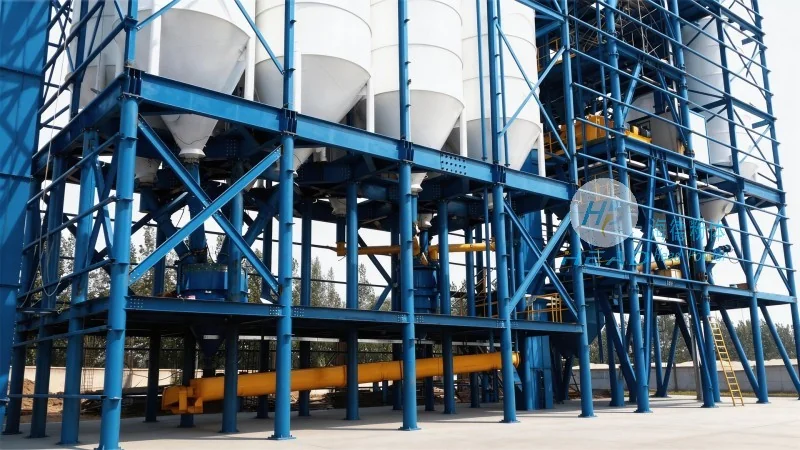
The layout of a coal powder pneumatic conveying system is carefully planned to optimize performance and minimize energy consumption. The system is typically designed to minimize the number of bends and vertical lifts, as these can cause pressure losses and increase the risk of particle settling. Horizontal runs are preferred over vertical lifts whenever possible, as they reduce the need for high air velocities and lower the risk of blockages. However, in some applications, vertical lifts are necessary, and the design must account for the increased pressure required to overcome gravity. The pipeline is usually installed with a slight upward slope from the feeder to the blower to prevent material accumulation at low points and ensure smooth flow.
Installation of the system requires careful attention to detail to ensure proper operation and safety. All components must be properly aligned and secured to prevent vibration and movement during operation. The pipeline must be properly supported to avoid sagging, which can lead to increased pressure drop and potential blockages. Additionally, the system must be equipped with safety features, such as pressure relief valves and emergency shut-off valves, to protect against overpressure and other hazards. Regular maintenance is also essential to ensure the system operates efficiently and safely over its service life.
Performance Optimization and Troubleshooting
Optimizing the performance of a coal powder pneumatic conveying system involves monitoring key parameters and making adjustments as needed. The system's performance can be affected by factors such as material properties, air velocity, pressure, and pipeline condition. Regular monitoring of pressure and flow rates helps to identify any issues early, such as blockages or leaks, which can reduce system efficiency and increase energy consumption. Troubleshooting common problems, such as uneven flow or increased pressure drop, often involves adjusting the feeder speed, increasing the air velocity, or cleaning the pipeline and filter.
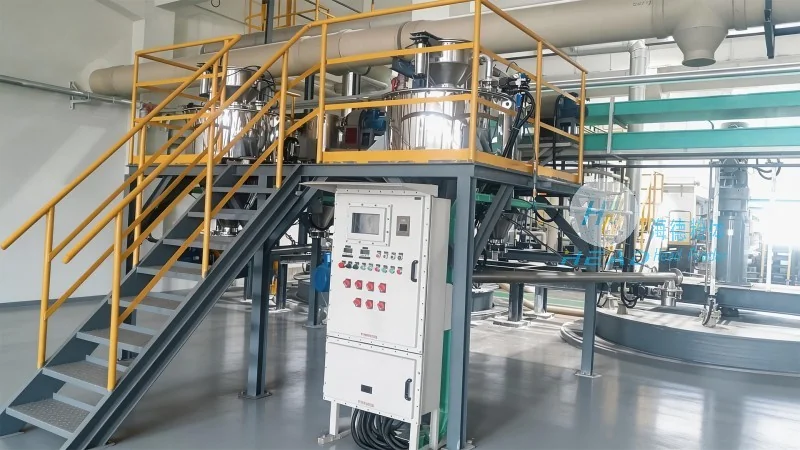
Long-term performance optimization may also involve upgrading components or modifying the system layout. For example, replacing an old blower with a more efficient model can reduce energy consumption and operating costs. Similarly, adding additional pipeline sections or adjusting the slope can improve material flow and reduce pressure losses. Regular maintenance, including cleaning the filter and checking for wear on components, is essential to maintain the system's performance and extend its service life.
Conclusion
Coal powder pneumatic conveying systems are essential equipment for efficiently transporting coal powder in industrial applications. The design principles, including proper air velocity and pressure control, pipeline sizing, and component selection, are critical to ensuring the system operates efficiently and safely. By understanding these principles and implementing proper maintenance and optimization strategies, industrial facilities can maximize the performance of their coal powder conveying systems and achieve their operational goals. As a leading provider of engineering solutions, Shandong HeadPowder Engineering Co., Ltd. specializes in designing and manufacturing high-quality coal powder pneumatic conveying systems tailored to the specific needs of its clients, ensuring reliable and efficient material handling in power plants, cement factories, and other industrial facilities.




