HeadPowder, a leading engineering company based in Shandong, China, specializes in the design and implementation of advanced pneumatic conveying systems for polypropylene pellets. This article delves into the fundamental principles behind such systems, highlighting their operational efficiency, reliability, and the technical aspects that make them ideal for handling polypropylene materials.
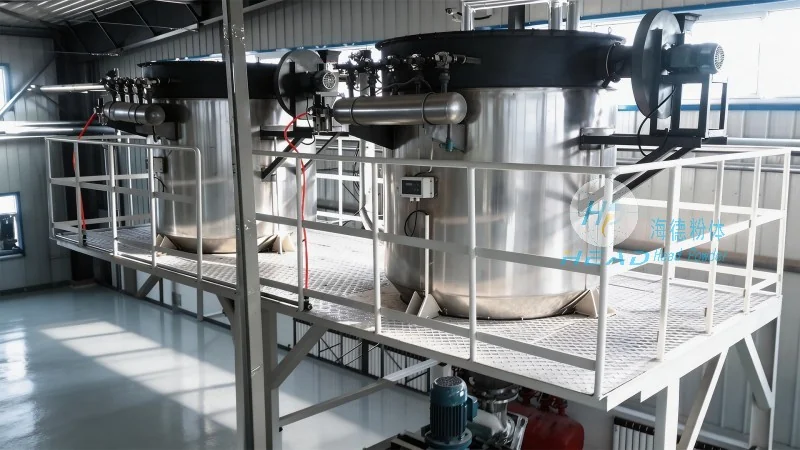
Understanding Pneumatic Conveying Technology
Pneumatic conveying systems utilize compressed air or other gases to transport bulk materials like polypropylene pellets from one location to another. The core principle involves creating a pressure differential that propels the material through a pipeline. There are two primary types of pneumatic conveying: pressure and vacuum systems. Pressure systems use positive pressure to push material, while vacuum systems use negative pressure to pull it. For polypropylene pellets, which are often lightweight and can be prone to dust generation, a well-designed pressure system is commonly preferred due to its ability to maintain consistent flow rates and minimize material degradation.
Key Components of a Polypropylene Pellet Pneumatic Conveying System
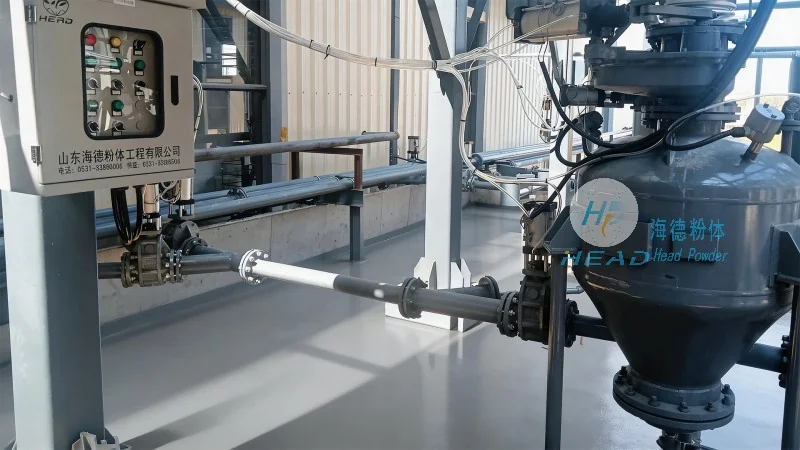
A typical polypropylene pellet pneumatic conveying system consists of several critical components, each playing a vital role in ensuring smooth operation. The main components include a material feeder, which controls the flow of pellets into the system; a conveying line, which transports the material; a separator or filter to remove air and fine particles; and a discharge device that delivers the material to its final destination. The material feeder is often equipped with a rotary valve or a screw feeder to regulate the input rate, preventing overloading or underloading of the system. The conveying line is typically made of stainless steel or other corrosion-resistant materials to withstand the chemical properties of polypropylene and the effects of compressed air. The separator, such as a cyclone or a bag filter, is essential for maintaining air quality and preventing dust accumulation in the system. The discharge device may include a rotary valve or a gate valve to control the output of the material.
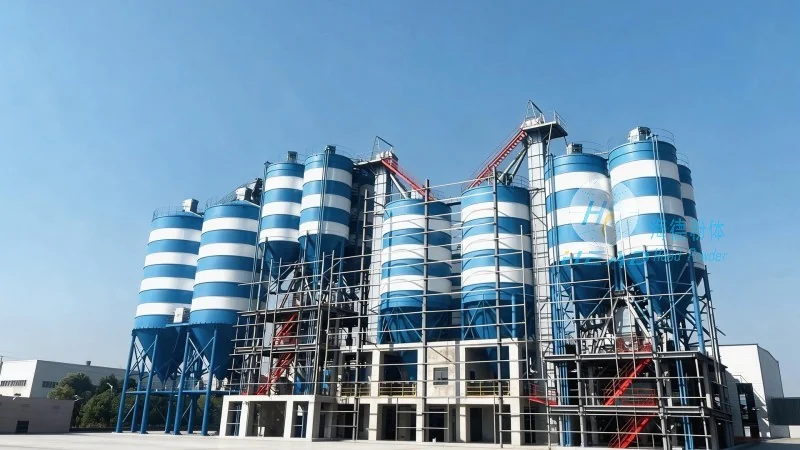
Advantages of Pneumatic Conveying for Polypropylene Pellets
Implementing a pneumatic conveying system for polypropylene pellets offers numerous advantages over traditional methods like belt conveyors or bucket elevators. One of the most significant benefits is the ability to transport materials in a closed system, which minimizes dust exposure and improves workplace safety. This is particularly important for polypropylene, as it can generate fine particles that are hazardous if inhaled. Additionally, pneumatic systems allow for flexible routing, enabling the material to be transported to multiple destinations from a single source. They also reduce the risk of material contamination, as the system is enclosed and does not come into direct contact with the environment. Another key advantage is the energy efficiency of modern pneumatic systems, which can achieve high material throughput with lower power consumption compared to other methods. This makes them cost-effective for both small and large-scale operations.
Application Scenarios and Operational Considerations
Polypropylene pellet pneumatic conveying systems are widely used in various industries, including plastics manufacturing, chemical processing, and food processing. In the plastics industry, these systems are commonly employed to transport raw materials from storage silos to processing lines, ensuring a continuous and uninterrupted supply of pellets. In chemical processing, they are used to move polypropylene pellets between different processing stages, such as drying, extrusion, or molding. The operational considerations for these systems include maintaining proper air pressure and flow rates, as fluctuations can lead to material blockages or reduced efficiency. Regular maintenance of components like the feeder, separator, and conveying line is also crucial to ensure long-term performance and prevent downtime. HeadPowder, with its expertise in engineering and manufacturing, provides comprehensive solutions tailored to the specific needs of each application, ensuring optimal performance and reliability.
Conclusion
In conclusion, the principle of polypropylene pellet pneumatic conveying systems revolves around the efficient use of compressed air to transport bulk materials. By understanding the key components, advantages, and operational considerations, industries can leverage these systems to enhance productivity, improve safety, and reduce costs. As a trusted provider, Shandong HeadPowder Engineering Co., Ltd. continues to innovate and deliver high-quality pneumatic conveying solutions that meet the evolving needs of the polypropylene industry.




