For industries dealing with bulk materials like sawdust and wood flakes, efficient material handling is crucial for maintaining production efficiency and product quality. The sawdust and wood flakes pneumatic conveying equipment, a specialized type of powder conveying device, offers a reliable solution for transporting these lightweight, often dusty materials. This article provides an in-depth look at the structure, working principles, and key components of such equipment, helping users understand its functionality and applications.
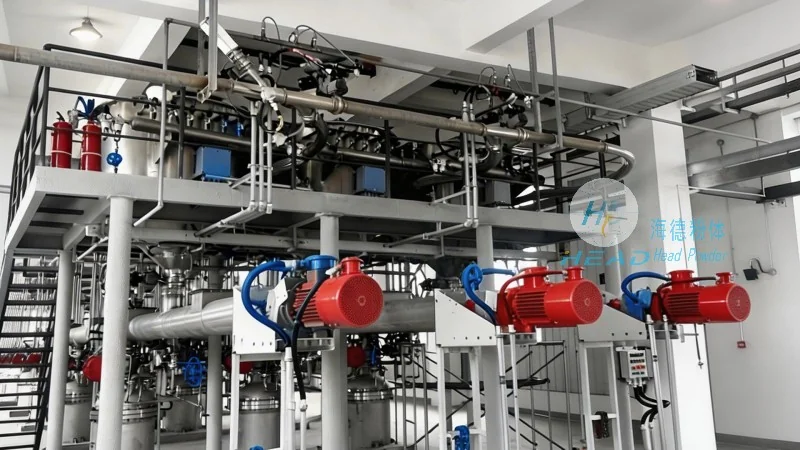
Introduction to Sawdust and Wood Flakes Pneumatic Conveying Equipment
HeadPowder, a leading manufacturer based in Shandong, China, specializes in the design and production of advanced powder handling systems. The sawdust and wood flakes pneumatic conveying equipment is engineered to handle the unique challenges of transporting sawdust and wood flakes, which are often prone to dust generation and require gentle handling to prevent degradation. This equipment is widely used in woodworking, paper manufacturing, and biomass energy sectors, where consistent material flow is essential for downstream processes.
Structural Components of the Pneumatic Conveying System
The sawdust and wood flakes pneumatic conveying equipment typically consists of several key components that work in tandem to achieve efficient material transport. The main parts include the hopper, feeder, air compressor, conveying line, and receiver. Each component plays a critical role in the overall operation of the system.
The hopper is the initial storage container where raw sawdust or wood flakes are loaded. It is designed with a wide opening to facilitate easy material loading and often features a conical or rectangular shape to ensure uniform material flow into the feeder. The feeder, usually a rotary valve or a screw feeder, regulates the flow of material from the hopper into the conveying line. This component is crucial for controlling the material feed rate, preventing overloading, and maintaining consistent pressure within the system.
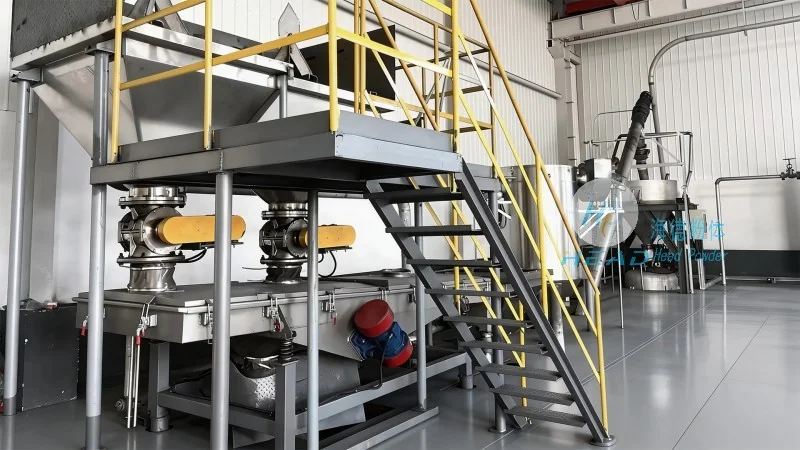
The air compressor is the heart of the pneumatic conveying system, responsible for generating the necessary air pressure to move the material. It can be a positive displacement or centrifugal type, depending on the system requirements. The conveying line, which can be made of metal or flexible tubing, transports the material and air mixture from the feeder to the receiver. The receiver is the final storage container where the conveyed material is deposited. It is often equipped with a dust collection system to capture any fine particles and ensure a clean working environment.
Working Principle of the Pneumatic Conveying Process
The operation of the sawdust and wood flakes pneumatic conveying equipment follows a simple yet effective principle: using compressed air to transport bulk materials. The process begins when the feeder starts to discharge material into the conveying line. Simultaneously, the air compressor supplies high-pressure air into the line. The air and material mixture travels through the conveying line due to the pressure differential created by the compressor and the resistance of the material flow.
As the mixture moves through the line, the air velocity is maintained at a level sufficient to keep the material suspended and prevent it from settling. The receiver is positioned at a lower elevation than the hopper, creating a gravitational head that helps in the final deposition of the material. The system can operate in either positive or negative pressure modes. In positive pressure systems, air is forced into the conveying line, pushing the material forward. In negative pressure systems, air is drawn out of the line, creating a vacuum that pulls the material. For sawdust and wood flakes, positive pressure systems are more common due to their ability to handle larger particles and prevent dust leakage.
Advantages of Using Pneumatic Conveying for Sawdust and Wood Flakes
Compared to traditional mechanical conveying methods like belt conveyors or bucket elevators, the sawdust and wood flakes pneumatic conveying equipment offers several advantages. First, it provides a dust-free and clean operation, which is essential for maintaining product quality and worker safety. The enclosed system prevents dust from escaping into the environment, reducing the risk of respiratory issues and contamination. Second, it allows for gentle handling of the material, minimizing degradation and preserving the quality of the sawdust or wood flakes. This is particularly important for applications where the material is used as a raw ingredient in manufacturing processes.
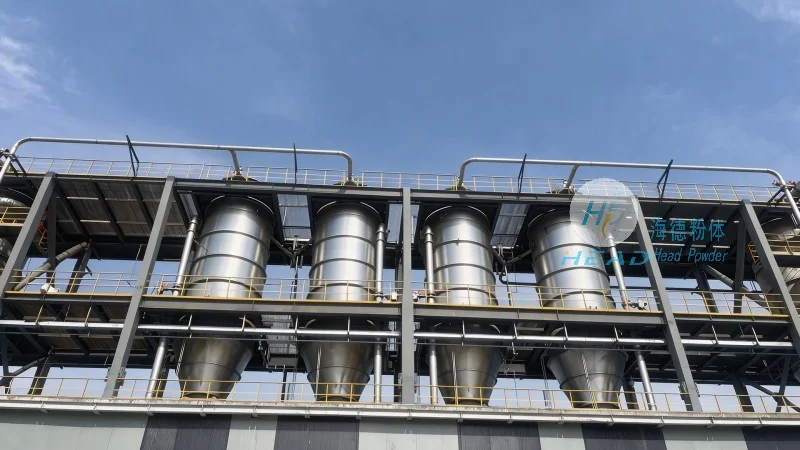
Third, the system offers flexibility in terms of layout and installation. The conveying line can be arranged in various configurations, including vertical, horizontal, or a combination of both, to suit the specific space constraints of the facility. This flexibility allows for efficient use of available space and easy integration with existing production lines. Fourth, the pneumatic conveying system can handle materials with varying moisture content and particle sizes, making it suitable for a wide range of applications. The ability to transport materials over long distances without the need for multiple transfer points also enhances operational efficiency.
Applications and Industries
The sawdust and wood flakes pneumatic conveying equipment is widely used in various industries that rely on bulk material handling. In the woodworking industry, it is used to transport sawdust from the cutting and shaping processes to the storage or processing areas. In paper manufacturing, it helps in conveying wood chips or pulp to the pulping and papermaking machines. The biomass energy sector also utilizes this equipment to transport sawdust and wood flakes to biomass boilers for energy generation. Additionally, it is used in the production of wood-based panels, such as particleboard and fiberboard, where consistent material supply is critical for the manufacturing process.
Maintenance and Operational Considerations
To ensure the optimal performance and longevity of the sawdust and wood flakes pneumatic conveying equipment, regular maintenance is essential. The air compressor should be checked regularly for proper lubrication and air filter maintenance to prevent dust accumulation and ensure efficient operation. The conveying line should be inspected for any signs of wear or damage, such as cracks or kinks, which can affect the material flow and increase the risk of blockages. The feeder and hopper should be cleaned periodically to remove any accumulated material, which can affect the feed rate and system pressure. Additionally, the receiver should be checked for any leaks or blockages to ensure proper material deposition.




