Dry coffee pneumatic conveying systems are integral to the processing and handling of coffee beans and related products. These systems utilize air to transport dry materials, offering advantages such as effective dust control, reduced contamination risks, and efficient material movement. For businesses engaged in coffee production, understanding the components of these systems is crucial for optimizing operational efficiency and maintaining product quality. This article explores the key components that constitute a typical dry coffee pneumatic conveying system, detailing the role of each element in the overall material handling process.
Key Components of Dry Coffee Pneumatic Conveying
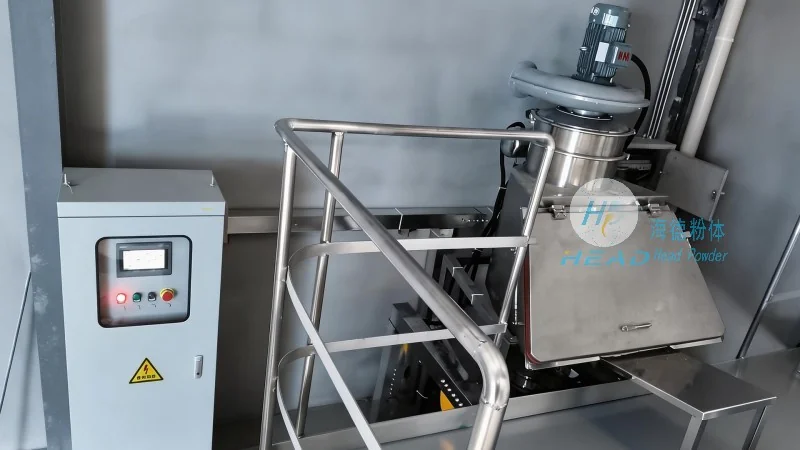
The dry coffee pneumatic conveying system comprises several interconnected components that work in harmony to achieve efficient material transport. The primary components include the conveying line, air source, material feed system, separation equipment, and control mechanisms. Each component is vital for maintaining the system's performance, ensuring the safe and effective handling of coffee beans throughout the process.
The Conveying Line: The Core of the System
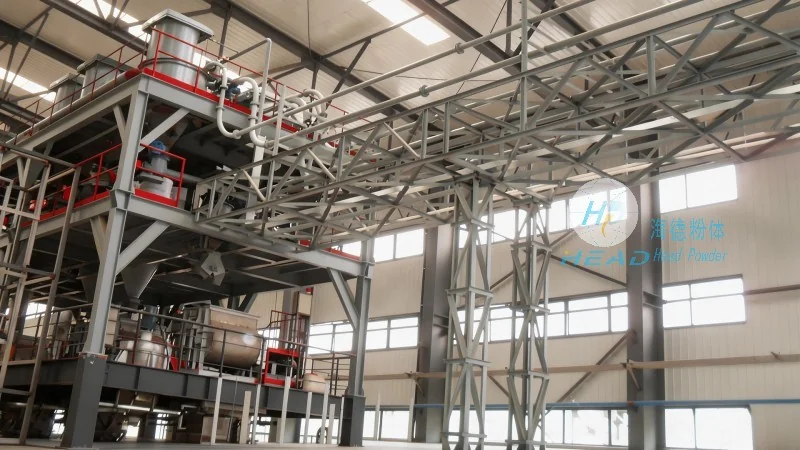
The conveying line serves as the central pathway for transporting coffee beans within the dry coffee pneumatic conveying system. It typically consists of flexible or rigid pipes, chosen based on the application's requirements, including the distance over which material needs to be transported and the system's capacity. The line is engineered to withstand the pressure and flow of air and material, minimizing pressure loss and ensuring efficient material movement. For dry coffee, the conveying line is often constructed from materials like stainless steel or food-grade plastic to prevent contamination and preserve product integrity. The design of the conveying line, including its diameter and length, directly impacts the system's efficiency and overall performance, as improper sizing can lead to reduced airflow or increased energy consumption.
Air Source and Blowers: The Power Behind Conveying
The air source, commonly a blower or compressor, provides the necessary pressure and volume of air to move the coffee beans through the conveying line. The selection of the air source depends on factors such as the system's capacity, the type of coffee being handled, and the distance of material transport. High-pressure blowers are widely used in dry coffee pneumatic conveying systems due to their ability to generate sufficient airflow and pressure to overcome resistance in the conveying line. The air source is typically equipped with filters to remove contaminants from the air, ensuring that the coffee beans are not exposed to dust or other particles that could affect their quality. Regular maintenance of the air source is essential to prevent issues like air leaks or pressure fluctuations, which can impact the conveying efficiency and system reliability.
Material Feed System: Ensuring Consistent Loading
The material feed system is responsible for introducing coffee beans into the conveying line at a controlled rate, maintaining a consistent flow rate and preventing overloading or underloading of the system. Common feed systems include hoppers, screw feeders, or vibratory feeders, designed to handle dry coffee beans without causing excessive wear or damage. The feed system is often equipped with sensors and controls to monitor the material level and adjust the feeding rate as needed, ensuring the conveying system operates at optimal speed. This helps avoid blockages or uneven material distribution, which could disrupt the entire process. For dry coffee, the feed system may also include a pre-screening or cleaning step to remove foreign objects or debris from the coffee beans before they enter the conveying line, further enhancing product quality.
Separation and Cleaning Equipment: Maintaining Product Purity
Separation and cleaning equipment are critical components in dry coffee pneumatic conveying systems, focused on maintaining the quality and purity of the coffee beans. These systems help remove foreign materials, such as dust, moisture, or other contaminants from the coffee beans during transport. Common separation equipment includes cyclones, filters, and separators, which utilize centrifugal force or air flow to separate coffee beans from the air stream. The separation process is essential as it prevents contamination of the coffee beans, which could affect their flavor, aroma, or shelf life. Additionally, the cleaning equipment helps maintain system efficiency by removing debris that could accumulate in the conveying line or affect the performance of other components. Regular cleaning and maintenance of the separation equipment are necessary to ensure optimal performance and prevent clogging or damage, extending the system's operational life.
Control and Monitoring Systems: Ensuring System Efficiency
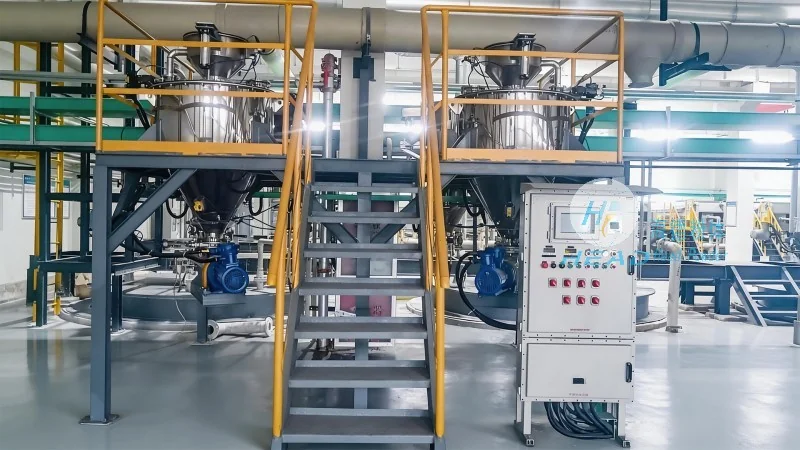
Control and monitoring systems are vital for managing the dry coffee pneumatic conveying system and ensuring its efficient operation. These systems typically include sensors, controllers, and indicators that monitor key parameters such as air pressure, material flow rate, and system temperature. The control system allows operators to adjust the settings of the conveying system in real-time, optimizing performance based on material load or distance. For example, the system may automatically adjust air pressure or feeding rate to maintain consistent material flow. The monitoring system provides real-time feedback on system performance, helping to identify potential issues or inefficiencies before they become major problems. This proactive approach to system management helps maintain coffee bean quality and reduces downtime or maintenance costs. The control and monitoring systems are often integrated with other components, offering a comprehensive solution for coffee handling that enhances operational reliability.
Company Overview: Shandong HeadPowder Engineering Co., Ltd.
Shandong HeadPowder Engineering Co., Ltd., operating under the brand name HeadPowder, is a leading manufacturer of dry coffee pneumatic conveying systems and related equipment. With a strong focus on innovation and quality, HeadPowder has established itself as a trusted partner for businesses in the coffee industry. The company's products are tailored to meet the specific needs of coffee processing facilities, delivering reliable and efficient solutions for material handling. HeadPowder's team of experts collaborates closely with clients to understand their requirements and provide customized solutions that enhance operational efficiency. The company's commitment to quality and customer satisfaction has earned it a reputation for excellence in the industry. HeadPowder is based in Shandong, China, leveraging local expertise and resources to deliver high-quality products and services to clients worldwide, supporting the global coffee supply chain with advanced technology and reliable equipment.




