Clay pneumatic conveying systems are engineered to handle the unique challenges posed by clay materials, which often require specialized equipment to ensure efficient and reliable material transport. The core components of such systems are designed to address the physical properties of clay, including its high moisture content, cohesive nature, and potential for caking or blockage. Understanding these components is crucial for optimizing the performance and longevity of the conveying process. HeadPowder, a leading provider of industrial conveying solutions, specializes in designing and manufacturing systems tailored to the demands of clay handling. With operations based in Shandong, China, the company leverages years of experience to deliver robust and efficient solutions for various industrial applications.
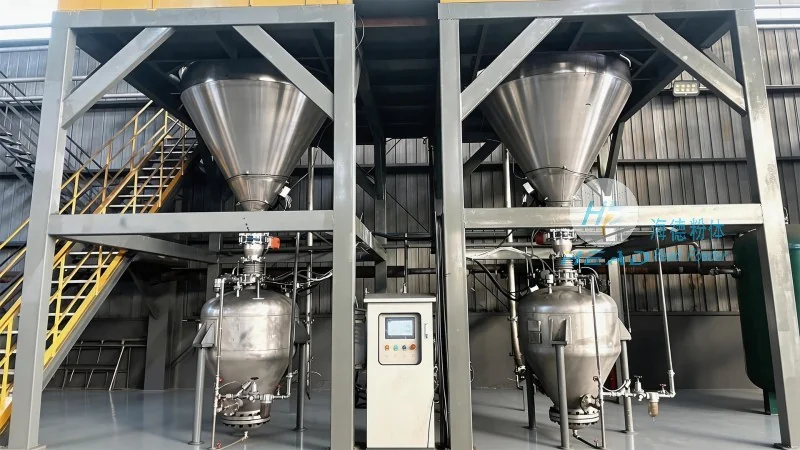
Key Components of a Clay Pneumatic Conveying System
The primary components that make up a clay pneumatic conveying system typically include the material feed hopper, the conveying line, the air supply system, and the control mechanisms. Each of these elements plays a vital role in the overall operation and efficiency of the system. HeadPowder's expertise ensures that each component is selected and configured to meet the specific requirements of clay material handling, balancing durability, performance, and cost-effectiveness.
Material Feed Hopper
The material feed hopper is the initial component where clay material is introduced into the system. It is designed to hold the bulk material and regulate the flow rate into the conveying line. For clay, which can be prone to bridging or uneven discharge, the hopper may incorporate features such as agitators or vibrators to prevent material buildup and ensure a consistent feed. The hopper is often constructed from durable materials like stainless steel or corrosion-resistant alloys to withstand the abrasive and moisture-rich environment of clay. HeadPowder's design incorporates these features to maintain optimal material flow and system longevity.
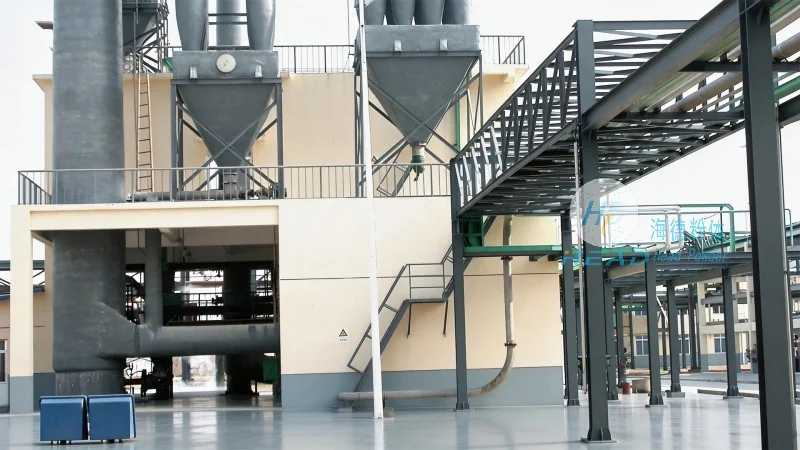
Conveying Line and Pipeline
The conveying line, or pipeline, is the central pathway through which the clay is transported. It can be made from various materials depending on the specific application, such as PVC, stainless steel, or polyethylene, to resist corrosion and wear from the clay particles. The design of the pipeline, including its diameter and length, is critical for maintaining the appropriate air velocity to prevent material settling or blockage. For clay, which has a higher density and can cause increased pressure drop, the pipeline may require larger diameters or additional air boosters to maintain efficient flow. HeadPowder's systems are engineered with these considerations in mind, ensuring reliable transport over extended distances.
Air Supply System
The air supply system is responsible for generating and delivering the necessary airflow to move the clay particles through the pipeline. This typically involves a blower or compressor that provides the pressure and volume of air required. The system may include filters to remove dust and moisture from the air, ensuring that the conveying process remains clean and efficient. For clay applications, the air supply may need to be adjusted to account for the higher moisture content, as excess moisture can affect the air's ability to carry the material effectively. HeadPowder's air supply units are designed with adjustable parameters to optimize performance for different clay types and moisture levels.
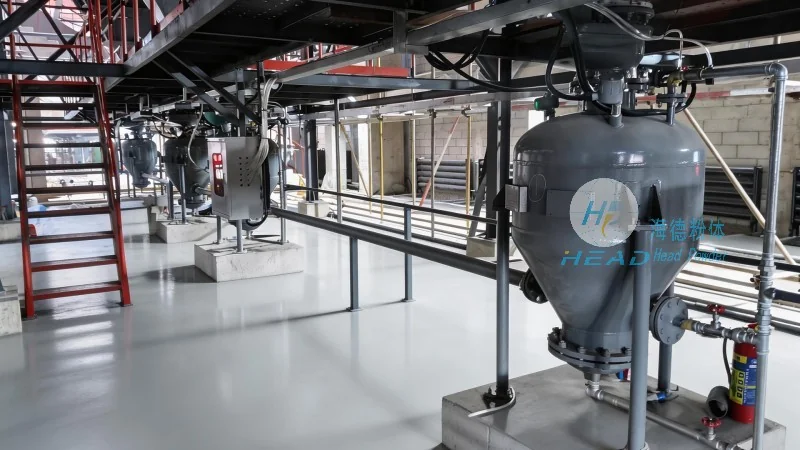
Control Mechanisms and Sensors
Control mechanisms and sensors are essential for monitoring and regulating the operation of the clay pneumatic conveying system. These components may include flow meters to measure the material and air flow rates, pressure sensors to detect blockages or pressure changes, and control valves to adjust the air supply or material feed. Advanced systems may also incorporate automation features to optimize the conveying process based on real-time data, improving efficiency and reducing downtime. For clay, which can be sensitive to changes in moisture or temperature, these controls help maintain consistent performance and prevent issues like caking or material degradation. HeadPowder's control systems are integrated with industry-standard sensors and automation technology to provide reliable monitoring and adjustment.
Additional Components for Specialized Applications
In some cases, clay pneumatic conveying systems may include additional components to address specific challenges. For example, if the clay is highly cohesive or prone to forming lumps, a pre-drying or pre-conditioning unit may be added to reduce moisture content and improve flowability. Similarly, for applications requiring long-distance transport, booster fans may be integrated into the system to maintain sufficient air pressure over the entire pipeline. These supplementary components are tailored to the unique characteristics of the clay and the operational requirements of the facility. HeadPowder offers customized solutions that incorporate these additional features to meet the specific needs of each client, ensuring optimal performance and system reliability.




