Shandong HeadPowder Engineering Co., Ltd., a leading manufacturer and supplier of specialized powder handling solutions, is dedicated to providing efficient and reliable air-driven conveying systems for sodium sulfate and other industrial powders. The company is based in Shandong, China, and has built a strong reputation for its expertise in designing customized material transport solutions tailored to the unique needs of various industries, including chemical, food, and pharmaceutical sectors.
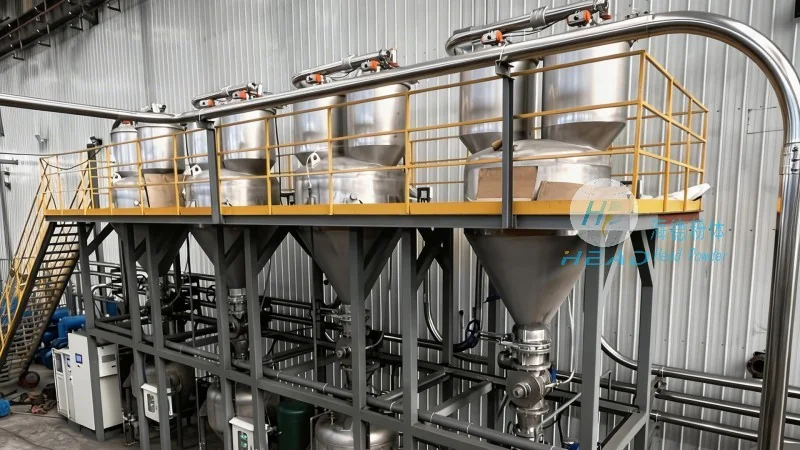
Core Structures in Air-Driven Sodium Sulfate Powder Conveying Systems
The air-driven conveying of sodium sulfate powder relies on a series of interconnected structures and components that work in harmony to ensure effective material transport. These structures are engineered to handle the physical properties of sodium sulfate, such as its granular or fine powder form, density (typically around 2.66 g/cm³), and flow characteristics. The primary structures include the conveying pipeline network, air supply equipment, material separation units, and control mechanisms. Each component is critical to maintaining the powder's integrity during transport and minimizing operational risks, such as dust emissions or system inefficiencies.
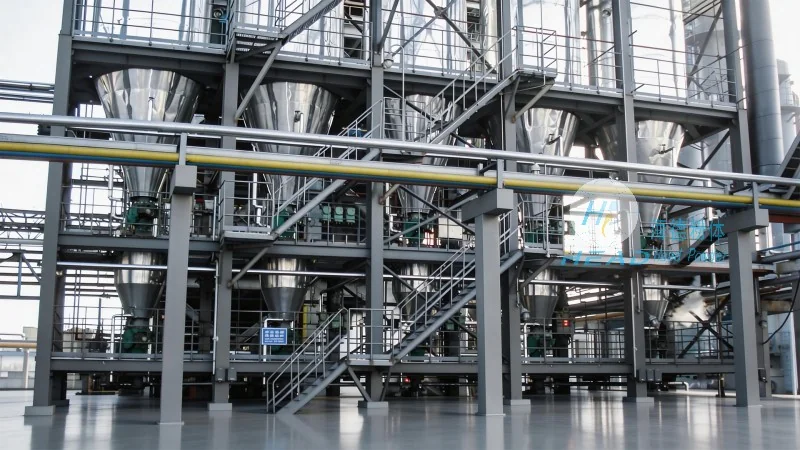
The Conveying Pipeline Network
The pipeline network forms the main pathway for the sodium sulfate powder and air mixture. For this application, stainless steel (often 316 grade) or other corrosion-resistant materials are commonly used for the pipeline to prevent chemical reactions with the powder or moisture, which could degrade the material or cause corrosion. The pipeline is designed with a combination of vertical and horizontal sections, incorporating appropriate bends and elbows to guide the flow. Expansion joints and supports are integrated into the system to accommodate thermal expansion and mechanical stresses, ensuring long-term durability. The pipeline diameter is carefully selected based on the required flow rate and the powder's particle size distribution, typically ranging from 50 mm to 200 mm for industrial applications. Proper sealing at all joints is essential to maintain air pressure and prevent dust leakage, which would reduce conveying efficiency and increase environmental concerns.
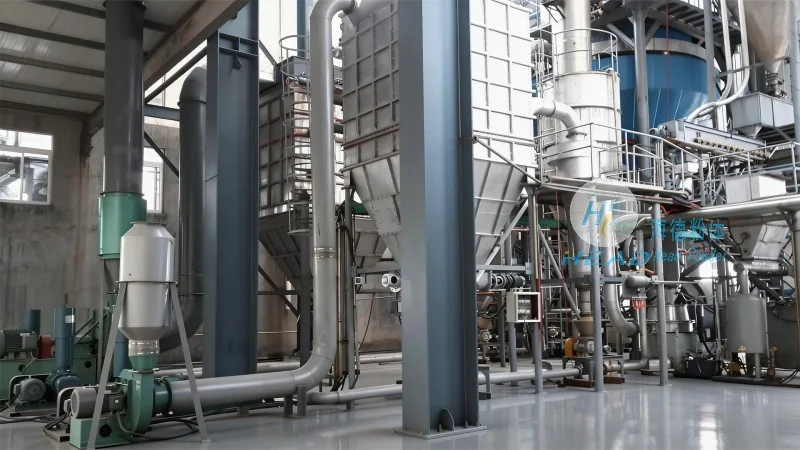
Air Supply and Blower Units
The air supply is generated by a blower or fan, which provides the necessary pressure and airflow to move the sodium sulfate powder through the pipeline. The choice of blower depends on the system's capacity and the specific requirements of the powder. Centrifugal blowers are widely used for high-volume applications due to their ability to handle large volumes of air at moderate pressures. Positive displacement blowers, such as rotary lobe or screw blowers, may be preferred for lower volumes or when precise pressure control is needed. The blower is connected to the pipeline via a duct or manifold, ensuring a consistent and uniform air flow. The system may also include air filtration and drying equipment to maintain the quality of the air and prevent moisture from affecting the powder's properties. Regular maintenance of the blower, including cleaning the impeller, checking bearing lubrication, and inspecting for wear, is crucial to ensure long-term operational efficiency and prevent breakdowns.
Material Separation and Collection Units
At the receiving end of the conveying system, separation and collection units are used to extract the sodium sulfate powder from the air stream. These units are critical for maintaining product quality and controlling dust emissions. Commonly used separation equipment includes cyclone separators, bag filters, and electrostatic precipitators. Cyclone separators utilize centrifugal force to separate the powder from the air, with typical separation efficiencies of 95% or higher for particles above 5 microns. Bag filters trap the powder in filter bags, which are periodically cleaned to maintain efficiency. The collected powder is then discharged into a storage bin or silo for further processing. The selection of the separation unit depends on the particle size and density of the sodium sulfate powder, as well as the required level of dust control. Proper maintenance, such as regular cleaning of the cyclone walls or filter bags, is essential to prevent clogging and ensure efficient operation.
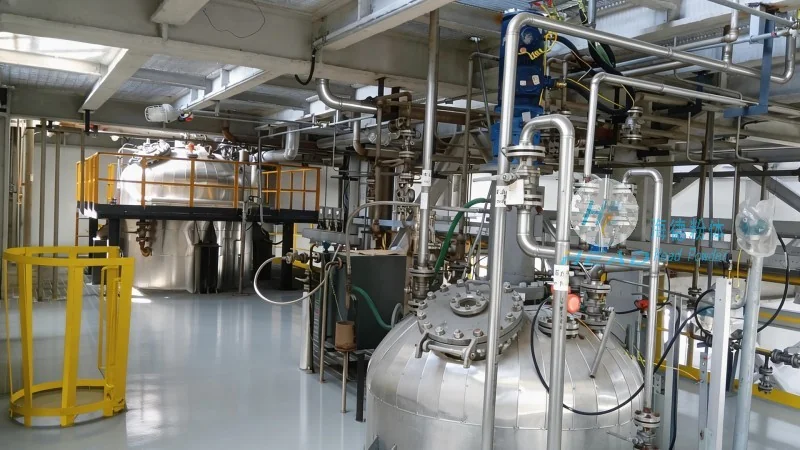
Control and Monitoring Systems
Modern air-driven sodium sulfate powder conveying systems are equipped with advanced control and monitoring systems to optimize performance and ensure safety. These systems may include pressure sensors, flow meters, and level indicators to monitor the operation of the pipeline and separation units in real-time. The control system can adjust the blower speed or air pressure based on the system's load, ensuring efficient energy use and preventing overloading. Additionally, safety features such as pressure relief valves and emergency shut-off mechanisms are integrated into the design to protect against system failures and protect personnel. The use of automation and digital control technologies allows for remote monitoring and troubleshooting, reducing downtime and maintenance costs. Data logging and analysis capabilities enable operators to track system performance over time, identify trends, and make informed decisions to improve efficiency.




