When it comes to efficiently handling paddy grain from the field to processing facilities, air-driven conveying systems offer a reliable and efficient solution. These systems utilize the principles of pneumatic transport to move grains with minimal human intervention, reducing labor costs and improving overall operational efficiency. For agricultural operations dealing with large volumes of paddy, understanding the key components and structures of these systems is crucial for optimizing performance and ensuring consistent quality.
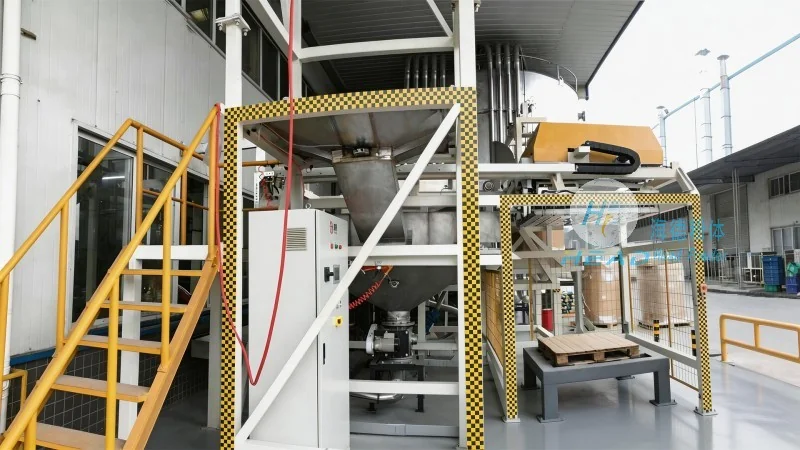
Key Air-Powered Paddy Grain Conveying Structures
There are several main air-driven structures used in paddy grain handling, each designed to address specific operational needs. The primary types include suction conveyors, pressure conveyors, and combined or mixed systems. Each structure operates on different principles, making them suitable for various stages of the paddy processing workflow.
Suction Conveying Systems: The Foundation of Paddy Transport
Suction conveyors, also known as negative pressure systems, are widely used for paddy grain transport due to their ability to draw grains from multiple sources into a central collection point. These systems operate by creating a partial vacuum in the conveying line, which pulls the grain from the source (such as a field bin or storage silo) into the system. The key components of a suction conveyor include a fan or blower that generates the vacuum, a hopper or inlet where the grain is loaded, and a pipeline network that transports the grain to the processing area. The fan is typically positioned at the discharge end, ensuring that the air flow pulls the grain through the system. Suction conveyors are particularly effective for moving paddy from low-level sources or for applications where the grain needs to be collected from multiple points before processing.
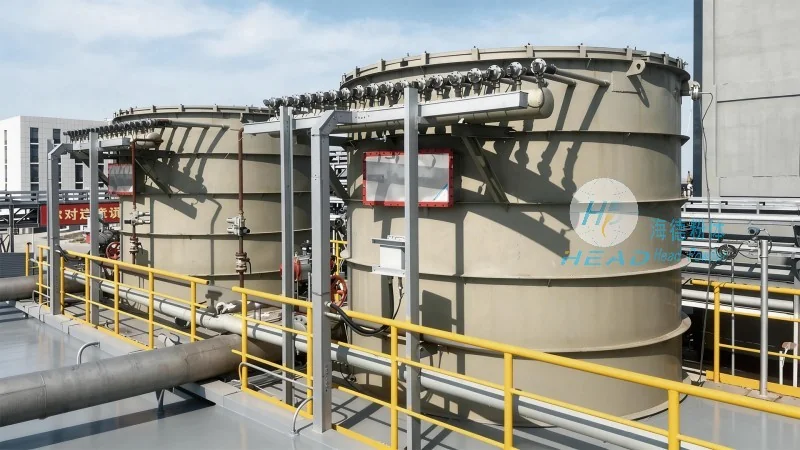
Pressure Conveying Systems: High-Volume and High-Distance Transport
Pressure conveyors, or positive pressure systems, are designed for high-volume and long-distance transport of paddy grain. Unlike suction systems, these systems use a fan or blower at the inlet to push the grain through the pipeline under positive pressure. This approach allows for the movement of grain over greater distances and at higher capacities, making them ideal for large-scale processing facilities where the paddy needs to be transported from storage silos to processing units or for bulk handling operations. The main components of a pressure conveyor include a high-pressure fan, a hopper or loading chamber, and a pipeline network that can handle the higher air pressure and grain flow rates. Pressure systems are often used in conjunction with suction systems to create a mixed or combined conveying network, allowing for flexible and efficient grain movement throughout the facility.
Mixed or Combined Conveying Systems: Flexibility and Efficiency
For complex paddy processing operations that require both suction and pressure capabilities, mixed or combined conveying systems are commonly employed. These systems integrate elements of both suction and pressure conveyors to create a versatile network that can handle a wide range of operational scenarios. A mixed system typically features a combination of low-pressure suction sections for collecting grain from multiple sources and high-pressure pressure sections for transporting the grain over longer distances or to higher elevations. The key advantage of these systems is their flexibility, as they can adapt to changing operational needs, such as varying grain volumes or processing requirements. This adaptability makes mixed systems particularly valuable for large agricultural operations that process paddy on a continuous basis.
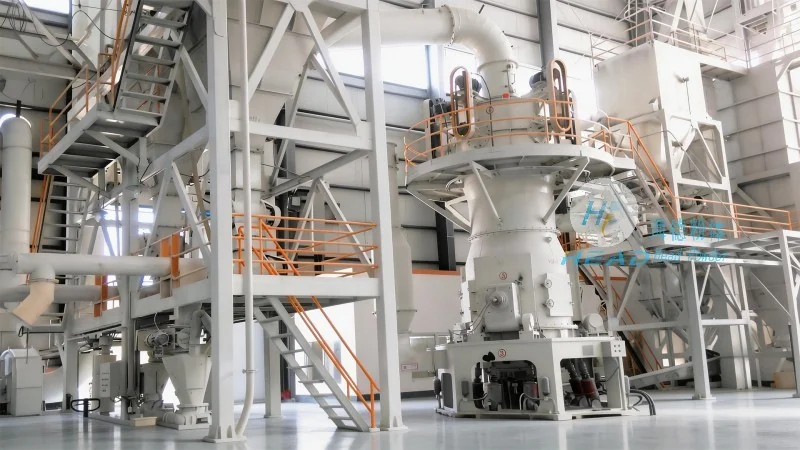
Key Components Common to All Air-Driven Paddy Grain Conveying Structures
Regardless of the specific type of air-driven paddy grain conveying system, several core components are essential for reliable operation. These components work together to ensure efficient grain transport and maintain system performance. The primary components include:
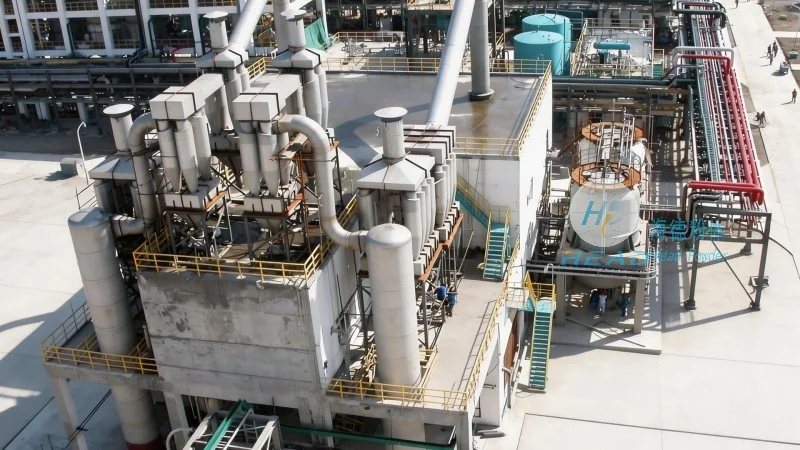
- Fans or Blowers: The heart of any pneumatic conveying system, fans or blowers generate the necessary air flow to move the paddy grain. The type of fan (e.g., centrifugal, axial) and its capacity are critical factors that determine the system's efficiency and capacity.
- Hoppers and Inlets: These components are used to load the paddy grain into the conveying system. Hoppers are typically designed with a funnel shape to facilitate the flow of grain and prevent blockages. Inlets may include valves or gates to control the flow rate and ensure smooth loading.
- Pipelines: The pipeline network is the conduit through which the paddy grain and air travel. The material and diameter of the pipeline are important considerations, as they affect the system's resistance to pressure and the overall efficiency of grain transport.
- Filters and Dust Collectors: Pneumatic conveying systems generate dust and particulate matter as the grain is moved through the pipeline. Filters and dust collectors are essential for maintaining air quality and preventing the accumulation of dust in the system, which can affect performance and safety.
- Control Systems: Modern air-driven conveying systems often include advanced control systems that monitor and regulate the flow of grain and air. These systems can adjust the fan speed, pressure, or flow rate based on real-time operational conditions, ensuring optimal performance and energy efficiency.
Benefits of Air-Driven Paddy Grain Conveying Systems
Implementing air-driven paddy grain conveying systems offers several significant benefits for agricultural operations. These systems provide a cost-effective and efficient solution for moving large volumes of paddy grain, reducing the need for manual labor and minimizing the risk of grain damage. The automated nature of these systems also improves operational consistency and reduces the potential for human error. Additionally, air-driven conveyors can be integrated with other processing equipment, such as cleaning or drying units, to create a seamless workflow that enhances overall productivity. The flexibility of these systems allows for easy expansion or modification as operational needs change, making them a long-term investment for paddy processing facilities.
Conclusion: Choosing the Right Air-Driven Paddy Grain Conveying Structure
When selecting an air-driven paddy grain conveying structure, it is essential to consider the specific operational requirements of the paddy processing facility. Factors such as grain volume, distance to be covered, and the need for flexibility will influence the choice between suction, pressure, or mixed systems. By understanding the key components and benefits of each system, agricultural operations can make an informed decision that maximizes efficiency and productivity. Shandong HeadPowder Engineering Co., Ltd. (headpowder) specializes in designing and manufacturing customized air-driven paddy grain conveying systems tailored to the unique needs of each client. With a focus on quality and innovation, headpowder provides reliable solutions that help paddy processing facilities achieve their operational goals while maintaining high standards of performance and efficiency.




